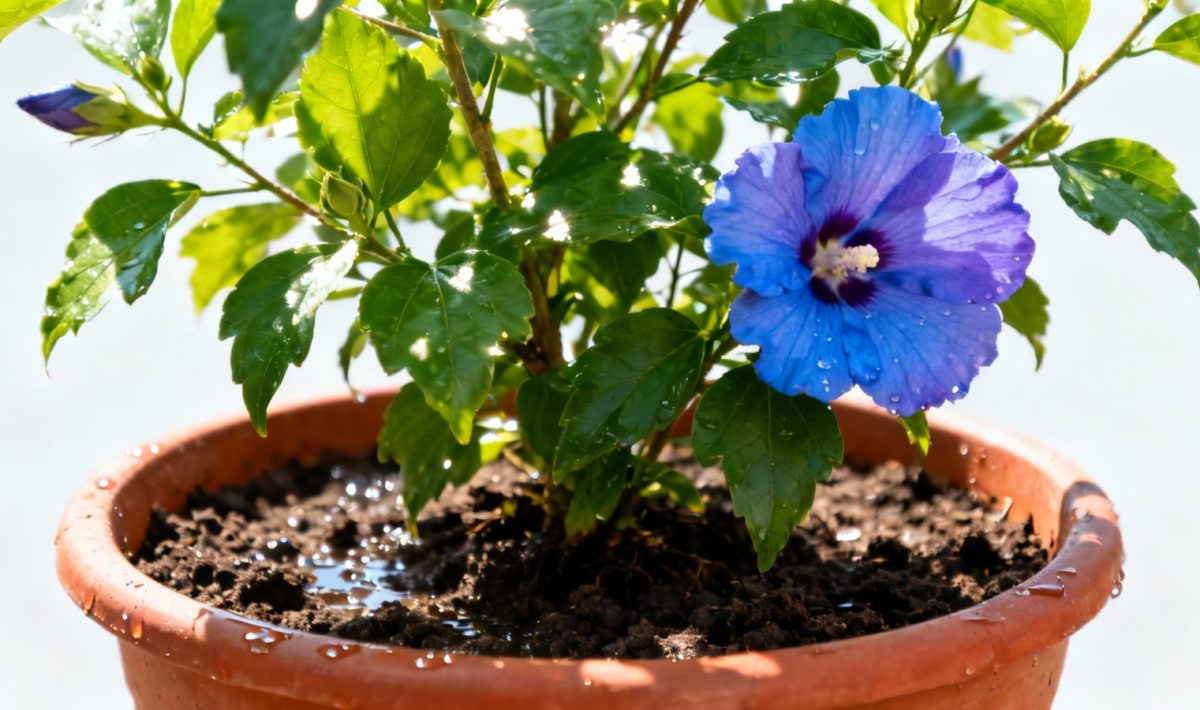
The Rose of Sharon, or Hibiscus syriacus, is a magnificent flowering shrub that brings vibrant blooms to your garden all summer long. However, knowing how often should you water your Rose of Sharon can make the difference between a thriving plant and one that struggles to flower. This hardy shrub has unique water requirements that change based on its age, the season, and your local growing conditions.
Unlike many garden plants, the Rose of Sharon becomes quite drought-tolerant once established. The key lies in understanding that young plants need more frequent attention, while mature specimens can handle longer periods between waterings. Most gardeners find that their Rose of Sharon performs best with deep, less frequent watering rather than shallow daily sprinkling.
Watering frequency for young rose of sharon plants
Young Rose of Sharon plants, those under two years old, require more consistent moisture to develop their root system properly. During the first growing season, you should water your new plant once or twice per week, depending on your soil type and weather conditions. Sandy soils drain quickly and may need watering twice weekly, while clay soils retain moisture longer and typically need watering just once per week.
When watering young plants, apply about 5 to 10 liters of water per plant during each session. This deep watering encourages the roots to grow downward rather than staying shallow near the surface. During extremely hot periods, you might need to increase this to 15 liters every two weeks to ensure the plant doesn’t stress from heat and drought.
Seasonal considerations for young plants
Spring watering should begin gradually as new growth emerges. Start with weekly watering sessions and monitor how quickly the soil dries around your plant. Summer brings the highest water demands, especially during July and August when temperatures peak and rainfall often decreases. Just as you might follow a careful watering schedule for apple trees, young Rose of Sharon plants benefit from consistent scheduling during these critical months.
Fall watering should gradually decrease as temperatures cool and the plant prepares for dormancy. By late autumn, you can reduce watering frequency significantly, allowing the plant to naturally slow its growth before winter arrives.
Caring for established rose of sharon plants
Mature Rose of Sharon plants, those over two to four years old, have developed extensive root systems that can access water deep in the soil. These established plants typically need watering only every 10 to 15 days during normal summer conditions. When you do water, make it count by applying 20 to 30 liters per square meter around the plant’s root zone.
The beauty of mature Rose of Sharon lies in their drought tolerance. Once established, these plants can survive extended dry periods without significant stress. However, during prolonged droughts lasting several weeks, even mature plants will benefit from supplemental watering to maintain their flower production and overall health.
Deep watering techniques for mature plants
For established plants, focus on deep, thorough watering sessions rather than frequent light applications. Use a soaker hose or drip irrigation system to deliver water slowly to the root zone, allowing it to penetrate deeply into the soil. This method encourages the plant’s roots to grow deeper, making it more resilient during dry spells.
Similar to best watering practices for cherry plums, the goal is to saturate the soil around the root zone completely. Apply water until you see it beginning to pool slightly on the surface, then allow it to soak in completely before adding more.
Optimal timing for watering your rose of sharon
The best time to water your Rose of Sharon is early morning, ideally between 6 and 8 AM. Morning watering allows the plant to absorb moisture before the day’s heat increases evaporation rates. This timing also ensures that any water on the leaves has time to dry before evening, reducing the risk of fungal diseases that thrive in moist conditions.
Avoid watering during the hottest part of the day, typically between noon and 4 PM, as much of the water will evaporate before reaching the roots. Evening watering, while better than midday, can leave foliage wet overnight, creating ideal conditions for disease development.
Adjusting timing by season
During spring and fall, when temperatures are cooler and humidity is often higher, morning watering remains ideal but becomes even more critical for preventing disease. Summer watering might occasionally extend into early evening if morning scheduling isn’t possible, but always aim to complete watering by 6 PM to allow adequate drying time.
Winter watering is rarely necessary in most climates, as the plant enters dormancy and rainfall typically provides adequate moisture. However, in regions with mild winters and extended dry periods, occasional deep watering may benefit the plant’s health.
Container growing considerations
Rose of Sharon grown in containers have completely different water requirements compared to those planted in the ground. Container plants dry out much more quickly and may need watering two to three times per week during summer, or even daily during extreme heat waves. The smaller soil volume in pots cannot retain moisture as effectively as garden soil.
Check container plants by inserting your finger about two inches into the soil. If it feels dry at this depth, it’s time to water. When watering containers, add water until it begins to drain from the bottom holes, ensuring the entire root ball becomes saturated. Just as watering garden lettuce effectively requires attention to container conditions, your potted Rose of Sharon needs consistent monitoring.
Recognizing water stress signals
Learning to read your Rose of Sharon’s signals helps you adjust your watering schedule before problems develop. Wilting leaves during the hottest part of the day is normal, but if wilting persists into early morning or evening, your plant needs more water. Flowers that drop prematurely or fail to open fully often indicate water stress.
Leaf color changes can also signal watering issues. Yellowing leaves might indicate either overwatering or underwatering, so check soil moisture levels to determine the cause. Leaves that appear dull or lack their usual glossy finish often need more consistent moisture.
Avoiding common watering mistakes
Overwatering is just as problematic as underwatering for Rose of Sharon plants. Soggy soil prevents proper root function and can lead to root rot. Always allow soil to dry slightly between watering sessions, especially for mature plants. Similar to caring for other garden plants like optimal water for Egyptian starcluster, finding the right balance takes observation and patience.
Shallow, frequent watering creates weak root systems that cannot support the plant during stress periods. Instead, train your Rose of Sharon to develop deep roots by watering thoroughly but less frequently.
Soil and mulching strategies
Your soil type significantly impacts how often you should water your Rose of Sharon. Sandy soils drain quickly and require more frequent watering, while clay soils hold moisture longer but may become waterlogged if overwatered. Adding organic matter like compost improves both soil types by enhancing drainage in clay and water retention in sand.
Applying a three-inch layer of organic mulch around your Rose of Sharon helps retain soil moisture, reduce weeding, and regulate soil temperature. Keep mulch about six inches away from the plant’s main stem to prevent pest and disease problems. Good mulching reduces watering frequency by 30-50% during summer months.
Seasonal mulch management
Refresh mulch each spring before the growing season begins, and consider adding a thicker layer before summer’s peak heat arrives. In fall, you can add fresh mulch to protect roots during winter, though this is less critical for hardy Rose of Sharon plants. The principles apply whether you’re caring for shrubs or following healthy watering for common bugle in your garden beds.
Organic mulches like shredded bark, wood chips, or compost gradually break down and improve soil structure over time. This ongoing soil improvement makes your Rose of Sharon more self-sufficient and reduces long-term maintenance requirements.
Allan is a lifelong gardening enthusiast who still gets excited when the first seedlings pop up in spring. With a deep love for nature and a hands-in-the-soil approach, he shares practical tips, plant discoveries, and clever tricks picked up over years of digging, planting, and observing. Whether you’re a new gardener or have a shed full of tools, Allan writes like a neighbor who’s always happy to swap cuttings and stories over the fence.
You can find more about Allan’s work on Malt or connect with him on LinkedIn.