
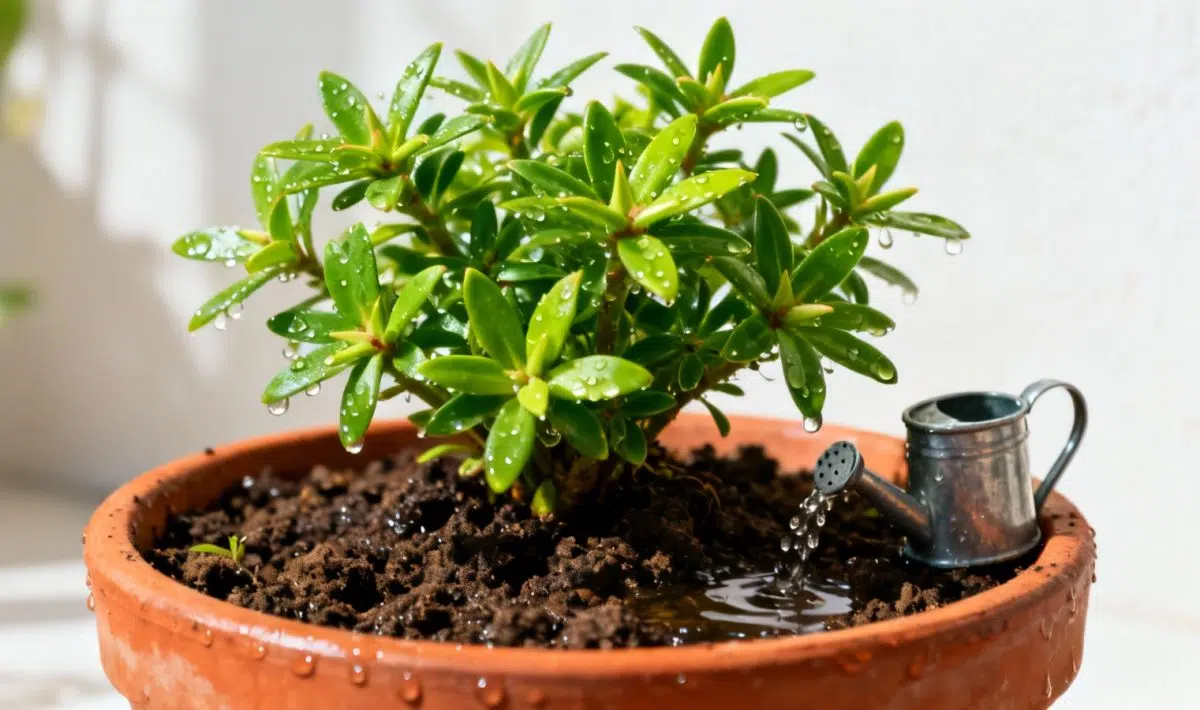
The Egyptian starcluster, also known as Pentas lanceolata, brings vibrant blooms to gardens with its star-shaped flowers and lush foliage. This tropical beauty has captured the hearts of gardeners worldwide for its continuous flowering and relatively easy care requirements. However, one question that frequently puzzles both novice and experienced gardeners is determining the right watering schedule. Understanding how often should you water your Egyptian starcluster is crucial for maintaining its health and ensuring abundant blooms throughout the growing season.
Understanding your Egyptian starcluster’s water requirements
Egyptian starclusters originate from tropical and subtropical regions of Africa, which provides valuable insight into their natural water needs. In their native habitat, these plants experience regular rainfall followed by periods of moderate drying, creating a pattern that we should replicate in our gardens. The plant’s fleshy stems and leaves are designed to store water efficiently, making it somewhat drought-tolerant once established. However, this doesn’t mean you can neglect watering entirely, as consistent moisture promotes the best flowering performance.
Several factors influence how often your Egyptian starcluster will need water. The size of the plant, container type, soil composition, and environmental conditions all play important roles in determining watering frequency. A mature plant in a large garden bed will have different needs compared to a young specimen growing in a small pot. Understanding these variables helps you develop an effective watering strategy that keeps your plants thriving.
Seasonal watering patterns for optimal health
During the active growing season from spring through early fall, your Egyptian starcluster requires more frequent watering to support its vigorous growth and continuous blooming. In these warmer months, check the soil every two to three days, especially during hot weather. The plant’s increased metabolism and higher transpiration rates mean it will consume water more quickly. Additionally, longer daylight hours and intense sunlight contribute to faster soil drying.
Winter brings a significant change in watering needs, particularly if you’re growing Egyptian starclusters as houseplants or in areas with cooler temperatures. During this dormant period, reduce watering frequency to once per week or even less, depending on indoor heating and humidity levels. The plant’s growth slows considerably, and its water uptake decreases accordingly. Overwatering during winter months is one of the most common mistakes that can lead to root rot and other fungal issues.
Temperature fluctuations throughout the year also affect how much water your plant needs. During heat waves or particularly dry spells, you may need to increase watering frequency temporarily. Conversely, during cooler periods or times of high humidity, you can extend the time between waterings. Just as gardeners learn about watering needs of common bugle plants for their specific growing conditions, observing your Egyptian starcluster’s response to different weather patterns will help you fine-tune your watering schedule.
Reading your plant’s water signals
Egyptian starclusters communicate their water needs through various visual cues that become easier to recognize with experience. Slightly wilted leaves in the morning often indicate that the soil has dried out sufficiently and it’s time to water. However, don’t wait until the plant shows severe stress signs like crispy leaf edges or dropped flowers, as this can impact bloom production and overall plant health.
The most reliable method for determining watering needs involves checking soil moisture directly. Insert your finger approximately two inches into the soil near the plant’s base. If the soil feels dry at this depth, it’s time to provide water. This technique works well for both container and garden plantings, though container plants typically dry out faster and may need more frequent attention.
Healthy Egyptian starclusters display vibrant green foliage and abundant flower clusters. When water stress occurs, you’ll notice the flowers becoming smaller and less numerous, while the leaves may develop a slightly dull appearance. These early warning signs give you time to adjust your watering routine before serious damage occurs.
Effective watering techniques and drainage considerations
The method you use to water your Egyptian starcluster can be just as important as the frequency. Deep, thorough watering encourages strong root development, while light, frequent sprinkling can lead to shallow root systems that are more susceptible to drought stress. When you do water, apply enough to see moisture emerging from drainage holes in containers or to penetrate several inches into garden soil.
Proper drainage is absolutely essential for Egyptian starcluster health. These plants cannot tolerate waterlogged conditions, which quickly lead to root rot and plant death. For container growing, ensure your pots have adequate drainage holes and consider adding a layer of gravel or broken pottery pieces at the bottom. In garden settings, amend heavy clay soils with organic matter to improve drainage while retaining some moisture-holding capacity.
Morning watering provides the best results for most plants, including Egyptian starclusters. This timing allows the foliage to dry quickly, reducing the risk of fungal diseases, while giving the plant access to moisture during the heat of the day. Similar to how gardeners approach proper care for wax begonias, establishing a consistent morning watering routine helps maintain plant health and vigor throughout the growing season.
Container versus garden growing considerations
Egyptian starclusters grown in containers require more frequent attention than their garden-planted counterparts. Container soil dries out faster due to exposure on all sides, and the limited soil volume means less water storage capacity. During hot summer months, daily watering may be necessary for containers, especially smaller pots or those in full sun exposure.
Garden-planted Egyptian starclusters benefit from the thermal mass and moisture retention of surrounding soil. Once established, these plants typically need watering only two to three times per week during active growth periods. The key is to water deeply but less frequently, encouraging the roots to grow down into the soil where they can access more consistent moisture levels.
Consider the specific growing medium when determining watering frequency. Potting mixes designed for flowering plants often contain perlite or vermiculite for drainage, which affects moisture retention. Garden soil composition varies widely, with sandy soils draining quickly while clay soils hold water longer. Understanding your growing medium helps you develop an appropriate watering schedule that meets your plant’s specific needs.
Environmental factors affecting water needs
Humidity levels in your growing environment significantly impact how often you’ll need to water your Egyptian starcluster. In high-humidity conditions, the plant loses less water through transpiration, extending the time between waterings. Conversely, low-humidity environments, common in air-conditioned homes or arid climates, increase water loss and require more frequent watering.
Wind exposure also affects watering frequency, as moving air increases evaporation from both soil and leaf surfaces. Plants in windy locations may need additional water, especially during hot weather. Similarly, the amount of direct sunlight influences water consumption, with full-sun locations requiring more frequent watering than partially shaded spots.
Indoor air circulation from heating and cooling systems creates conditions similar to outdoor wind exposure. Plants near heating vents or in rooms with ceiling fans may dry out faster than those in more stable environments. Just as with watering guidelines for ghost plants and other houseplants, monitoring these environmental factors helps you adjust your watering routine accordingly.
Troubleshooting common watering problems
Overwatering presents one of the most serious threats to Egyptian starcluster health. Signs of excessive moisture include yellowing leaves, soft or mushy stems, and a general decline in plant vigor. If you notice these symptoms, immediately reduce watering frequency and improve drainage conditions. In severe cases, you may need to repot container plants or amend garden soil to prevent further root damage.
Underwatering symptoms are generally easier to reverse but can still impact plant performance. Wilted leaves, reduced flower production, and crispy leaf edges indicate insufficient moisture. Gradually increase watering frequency while monitoring the plant’s response. Avoid the temptation to flood a severely dried plant, as this can shock the root system.
Water quality also matters for optimal plant health. Egyptian starclusters prefer slightly acidic to neutral water, and they can be sensitive to high levels of fluoride or chlorine found in some tap water. If your tap water is heavily treated, consider using filtered water or letting tap water sit overnight before use to allow chlorine to dissipate. This attention to water quality, similar to considerations for caring for turtle vine watering, can make a noticeable difference in plant health and flowering performance.
Establishing the right watering routine for your Egyptian starcluster takes time and observation, but the rewards are well worth the effort. These beautiful plants respond to consistent care with abundant blooms and lush growth throughout the growing season. By understanding their natural needs and adapting to your specific growing conditions, you’ll develop the confidence to keep your Egyptian starclusters healthy and thriving year after year.

Allan is a lifelong gardening enthusiast who still gets excited when the first seedlings pop up in spring. With a deep love for nature and a hands-in-the-soil approach, he shares practical tips, plant discoveries, and clever tricks picked up over years of digging, planting, and observing. Whether you’re a new gardener or have a shed full of tools, Allan writes like a neighbor who’s always happy to swap cuttings and stories over the fence.
You can find more about Allan’s work on Malt or connect with him on LinkedIn.


