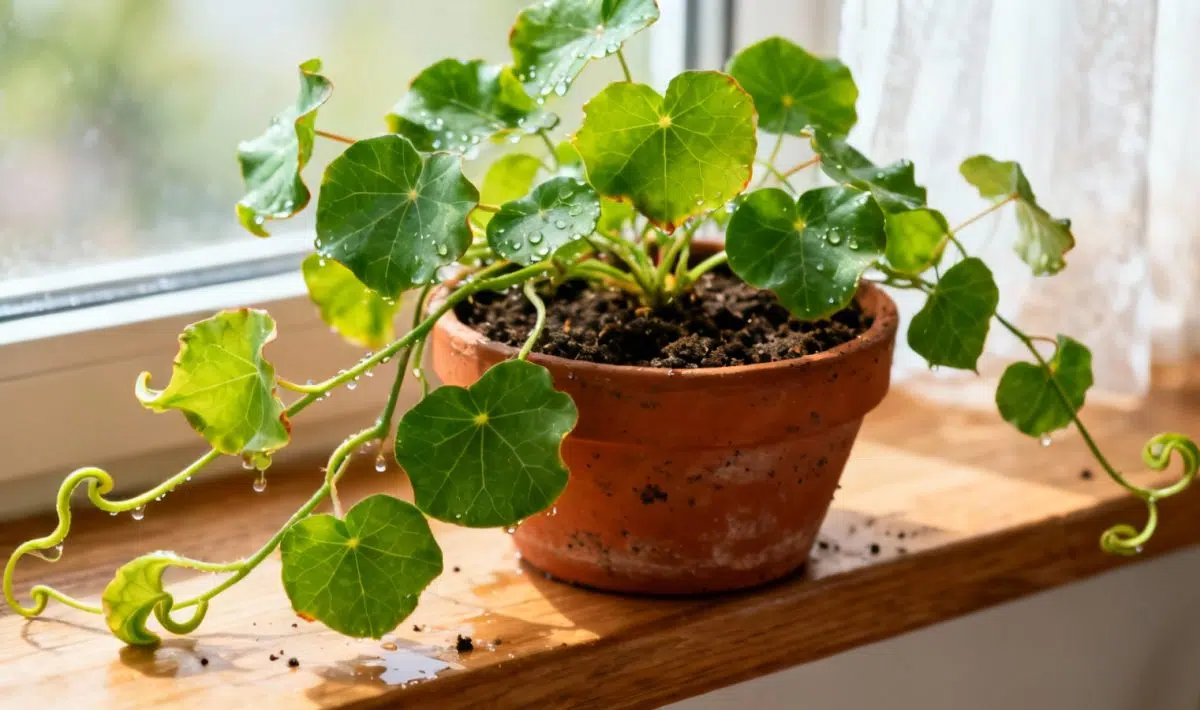
How often should you water your turtle vine for healthy growth
Your Turtle vine, scientifically known as Callisia repens, is one of those delightful plants that forgives your busy schedule while rewarding you with lush, trailing growth. However, understanding how often should you water your Turtle vine is crucial for maintaining its health and preventing the dreaded root rot that can quickly kill this otherwise resilient plant.
The Turtle vine belongs to a family of plants that naturally thrive in well-draining environments. This means they prefer their soil to dry out between waterings rather than staying constantly moist. What makes this plant particularly special is its ability to store water in its fleshy leaves, making it somewhat drought-tolerant once established.
Your plant will typically need watering when the top 2-3 inches of soil feel dry to the touch. This simple finger test has been used by plant enthusiasts for generations and remains one of the most reliable methods for determining when your Turtle vine requires water. The frequency will depend on several environmental factors that we should consider together.
Seasonal watering patterns for optimal growth
During spring and summer months, your Turtle vine enters its active growth period. This is when you’ll notice new shoots emerging and existing vines extending their reach. During this time, you’ll generally need to water once or twice per week, depending on your home’s temperature and humidity levels.
Winter brings a different story entirely. Your plant’s metabolism slows significantly, and its water requirements drop dramatically. You might find yourself watering only once every two to three weeks during the colder months. This reduction prevents the soil from staying soggy, which can lead to root problems that are difficult to reverse.
Just as you might adjust your care routine for other indoor plants like watering your English ivy correctly, your Turtle vine benefits from this seasonal awareness in your watering schedule.
Environmental factors that influence watering frequency
The environment where you place your Turtle vine significantly impacts how often it will need water. Bright, indirect light locations typically require more frequent watering than dimmer spots. Similarly, if you have your plant near a heating vent or in a particularly warm room, the soil will dry out faster.
Humidity levels also play a crucial role. In dry indoor environments, especially during winter when heating systems are running, your plant may need water more frequently. Conversely, in naturally humid areas or if you’re using a humidifier nearby, you can extend the time between waterings.
Proper watering techniques for healthy roots
When it’s time to water your Turtle vine, the technique you use matters just as much as the timing. Always water thoroughly until you see excess water draining from the bottom holes of the pot. This ensures that the entire root system receives moisture and helps flush out any accumulated salts from fertilizers.
After watering, allow the excess water to drain completely and empty any saucers or trays after about 30 minutes. Standing water can quickly lead to root rot, which is often fatal for these plants. The goal is to provide deep, thorough hydration followed by proper drainage.
Some plant parents prefer the bottom-watering method, where you place the pot in a tray of water and let the plant absorb moisture from below. This technique works well for Turtle vines and can help prevent overwatering since the plant only takes what it needs.
Signs your plant needs water versus overwatering symptoms
Learning to read your plant’s signals will make you a more confident plant parent. When your Turtle vine needs water, the leaves may appear slightly less plump than usual, and the soil will feel dry several inches down. The plant might also seem less perky overall, though this is often subtle.
Overwatering symptoms are typically more dramatic and concerning. Yellow leaves, especially those that feel mushy or soft, often indicate too much moisture. You might also notice a musty smell from the soil or see fungus gnats hovering around the pot. These signs require immediate attention and a change in your watering routine.
Similar attention to watering needs applies to other houseplants, whether you’re managing optimal watering for Indian shot plants or caring for more delicate species.
Choosing the right soil and containers
Your watering success largely depends on having the right foundation. Turtle vines thrive in well-draining potting mixes that allow excess water to flow through easily. A standard houseplant potting soil mixed with some perlite or orchid bark creates an ideal environment.
The container you choose is equally important. Ensure your pot has adequate drainage holes and consider the material. Terra cotta pots naturally wick moisture away from the soil faster than plastic containers, which means you’ll need to water more frequently but with less risk of overwatering.
Size matters too. A pot that’s too large can hold excess moisture around the roots, while one that’s too small may require very frequent watering. Choose a container that gives the roots room to grow without overwhelming them with soil volume.
Adjusting your routine throughout the year
Creating a flexible watering schedule helps ensure your Turtle vine stays healthy year-round. During peak growing season, check your plant twice weekly and water as needed based on soil moisture. As growth slows in fall, gradually reduce your checking frequency to once per week.
Keep notes about your plant’s needs throughout different seasons. You’ll start to notice patterns that are specific to your home environment. What works for proper care for Angel’s-wings begonia might differ from your Turtle vine’s preferences, but the observation skills transfer beautifully.
Remember that changes in your home, such as adjusting thermostat settings or moving the plant to a new location, will require temporary adjustments to your watering routine until you establish the new normal.
Common watering mistakes to avoid
One of the most frequent errors plant parents make is watering on a strict schedule rather than based on the plant’s actual needs. Your Turtle vine doesn’t know it’s Tuesday, and it certainly doesn’t care about your weekly routine. Environmental conditions change daily, affecting how quickly the soil dries.
Another common mistake is using too small amounts of water during each watering session. Light, frequent watering can actually encourage shallow root growth and doesn’t properly hydrate the entire root system. When you water, be thorough and generous.
Using water that’s too cold can shock the roots, while very hot water can damage them. Room temperature water is always your safest choice, and letting tap water sit overnight allows chlorine to evaporate, which many plants appreciate.
Special considerations for hanging baskets and trailing displays
If you’re growing your Turtle vine in a hanging basket or elevated planter where it can trail naturally, you’ll need to pay extra attention to watering. These containers often dry out faster than plants at ground level due to increased air circulation around the pot.
Check hanging plants more frequently, especially during summer months. The combination of heat rising and air movement can significantly increase water evaporation rates. You might find you need to water hanging Turtle vines up to twice as often as those sitting on shelves or tables.
Consider the practical aspects too. Watering a hanging plant requires more care to prevent dripping on furniture or floors below. Some plant parents prefer to take hanging plants down for watering sessions, allowing them to drain thoroughly before rehanging.
Just as you might need different approaches for ensuring vibrant blooms with watering specific flowering plants, trailing plants in hanging displays require their own consideration for optimal care.
Creating the perfect watering routine
Developing a successful watering routine for your Turtle vine starts with consistent observation rather than rigid scheduling. Begin by checking your plant every few days, noting the soil moisture level and the plant’s overall appearance. This regular attention helps you learn your specific plant’s patterns.
Consider keeping a simple plant journal where you note watering dates, soil moisture levels, and any changes in your plant’s appearance. Over time, you’ll develop an intuitive sense of when your Turtle vine needs water, making plant care feel more natural and less stressful.
During extreme weather conditions, such as watering tomatoes during a heatwave requires special attention, your indoor plants may also need temporary adjustments. Heat waves, cold snaps, or unusually dry spells can all affect your plant’s water needs.
Remember that mastering plant care is an ongoing journey of learning and observation. Your Turtle vine will reward your attention with lush, healthy growth that brings natural beauty to your living space. With patience and consistent care, you’ll soon develop the confidence to keep this delightful plant thriving for years to come.
Allan is a lifelong gardening enthusiast who still gets excited when the first seedlings pop up in spring. With a deep love for nature and a hands-in-the-soil approach, he shares practical tips, plant discoveries, and clever tricks picked up over years of digging, planting, and observing. Whether you’re a new gardener or have a shed full of tools, Allan writes like a neighbor who’s always happy to swap cuttings and stories over the fence.
You can find more about Allan’s work on Malt or connect with him on LinkedIn.