Annual ragweed (Ambrosia artemisiifolia) stands as one of the most problematic invasive plants in modern agriculture and public health. Originally from North America, this hardy annual has spread across Europe and France, creating significant challenges for both gardeners and health authorities. Understanding this plant’s characteristics, propagation methods, and control strategies becomes essential for anyone dealing with its presence.
Botanical characteristics and identification of Ambrosia artemisiifolia
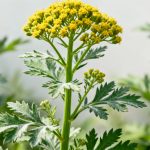
The ambrosia displays distinctive features that help distinguish it from other common weeds. Its deeply divided leaves resemble those of artemisia, earning it the common name ragweed. The plant typically reaches heights between 30 and 150 centimeters, developing a robust stem structure throughout its growing season.
During late summer, annual ragweed produces characteristic green-yellow flower spikes that release massive amounts of pollen. A single plant can generate up to one billion pollen grains, making it a formidable allergen source. The feuilles show a distinctive silvery-green color on their undersides, while the upper surfaces appear darker green.
The plant’s cycle spans approximately 115-118 days from germination to maturity, with floraison typically occurring around the 119th day. This rapid development allows ambrosia to establish quickly in disturbed soils, agricultural zones, and transport routes.
Growing conditions and environmental preferences
Ambrosia artemisiifolia thrives in well-drained soils and full sun exposure. The plant shows remarkable drought tolerance, capable of surviving with minimal water once established. This adaptability partly explains its successful spread from its originaire habitat in North America to new territories across Europe and Canada.
Temperature plays a crucial role in ragweed establishment. The plant prefers warm conditions but remains sensitive to late spring frosts that can kill young seedlings. In optimal conditions, such as those found in Arizona and California, ragweed can complete multiple generations per season.
Soil type preferences lean toward disturbed, nutrient-rich environments. Agricultural fields, roadside verges, and construction sites provide ideal conditions for ambroisie establishment. The plant’s mycorrhizal associations enhance nutrient absorption, giving it competitive advantages over native vegetation.
Propagation and spread mechanisms
Annual ragweed primarily spreads through graines production, with each mature plant producing thousands of seeds. These seeds remain viable in soil for several years, creating persistent seed banks that complicate control efforts. Wind dispersal carries pollen and light seeds over considerable distances, facilitating range expansion.
Animal-mediated dispersal also contributes significantly to ragweed spread. Birds and small mammals transport seeds attached to fur or feathers, while agricultural machinery inadvertently moves contaminated soil between fields. Understanding these dispersal mechanisms helps inform effective control strategies, much like the careful management required for care tips for Oleander plants in garden settings.
Health impacts and allergenic properties
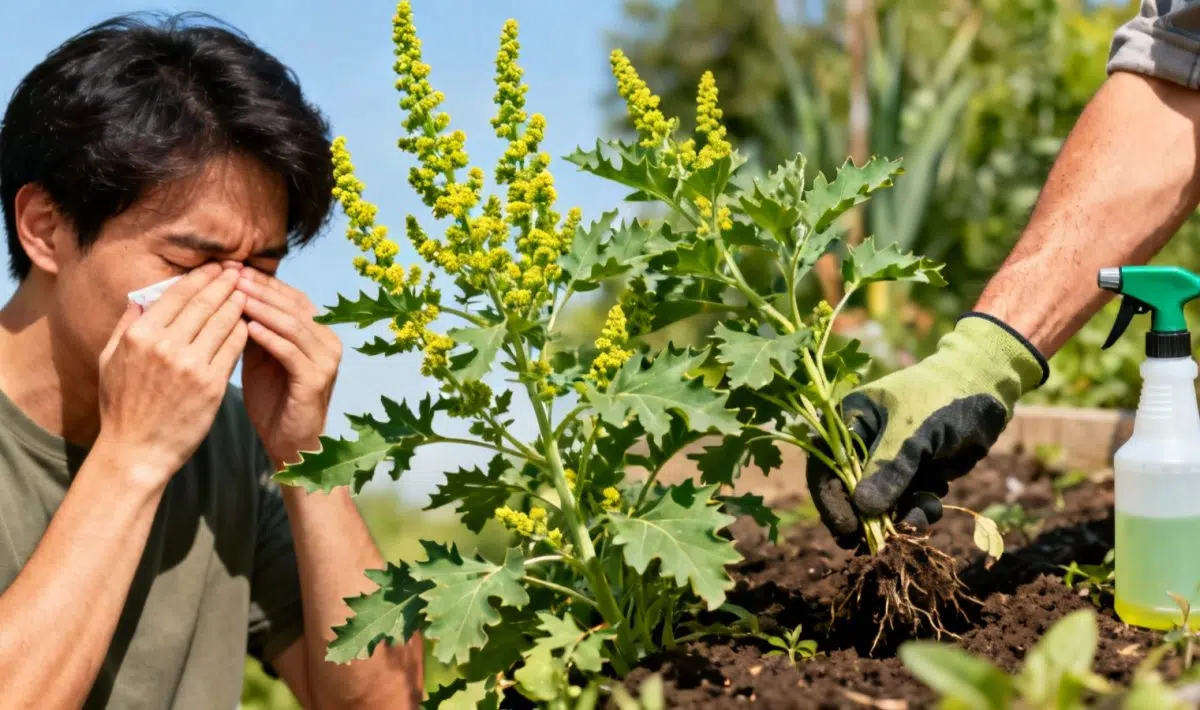
The most significant concern regarding Ambrosia artemisiifolia relates to its potent allergenic properties. Ragweed pollen contains proteins that trigger severe allergic reactions in sensitive individuals. Symptoms include sneezing, runny nose, watery eyes, and in severe cases, asthma attacks.
Pollen concentrations peak during late summer and early autumn, coinciding with the plant’s natural flowering period. Even small amounts of airborne pollen can affect sensitive individuals within a radius of several kilometers from the source. This widespread impact has made ragweed a major public health concern across affected regions.
Medical professionals increasingly recognize ragweed allergies as a growing health issue, particularly in previously unaffected European populations. The economic costs associated with medical treatments and lost productivity continue to mount as the plant expands its range.
Control and management strategies
Effective ambrosia control requires integrated approaches combining prevention, early detection, and targeted removal. Manual removal works best for small populations, particularly when conducted before seed set. Cutting plants at ground level during early flowering prevents seed production while avoiding pollen dispersal.
Chemical control options exist but require careful timing and application. Pre-emergence herbicides applied in early spring can prevent germination, while post-emergence treatments target actively growing plants. However, repeated applications often prove necessary due to the persistent seed bank.
Biological control research continues investigating natural enemies that might help manage ragweed populations. Some promising candidates include specific insects and fungal pathogens that attack the plant in its native range. These approaches mirror successful integrated pest management strategies used for other challenging species, similar to approaches detailed in guide to Philodendron ‘Birkin’ care for indoor plant management.
Cultural practices and cultivation considerations
While most efforts focus on eliminating ragweed, some research institutions cultivate controlled populations for scientific study. These facilities require strict containment protocols to prevent escape and establishment in surrounding areas. Researchers study everything from genetic diversity to potential beneficial uses of the plant.
Cultivation for research purposes involves careful seed selection, controlled growing environments, and rigorous monitoring protocols. Seeds require specific temperature and moisture conditions for optimal germination rates. Growing plants in contained greenhouse environments allows scientists to study various aspects of ragweed biology without environmental risks.
Understanding proper cultivation techniques helps researchers develop better control strategies. Knowledge of optimal growing conditions reveals vulnerabilities that can be exploited for management purposes, much like understanding specific requirements helps with essential tips for Monstera obliqua cultivation in controlled environments.
Regulatory framework and legal obligations
Many European countries have implemented specific regulations governing ragweed management. Property owners often face legal obligations to control infestations on their land, particularly in agricultural zones and near residential areas. These regulations reflect growing recognition of the plant’s public health and economic impacts.
France has established comprehensive monitoring and control programs targeting ambroisie populations. Regional authorities coordinate detection efforts while providing guidance on approved control methods. Similar programs in other affected countries share best practices and coordinate cross-border management efforts.
Enforcement mechanisms vary by jurisdiction but typically include fines for non-compliance and mandatory control measures. Education programs accompany regulatory efforts, helping landowners recognize the plante and understand their responsibilities for control.
Prevention and early detection methods
Preventing new ragweed establishments proves more cost-effective than controlling established populations. Regular monitoring of susceptible areas, particularly disturbed soils and transport corridors, enables early detection when control efforts remain feasible and affordable.
Proper identification skills become crucial for effective early detection programs. Training materials and identification apps help landowners distinguish ragweed from similar-looking plants. Key identification features include the characteristic leaf shape, plant height, and flowering pattern during late summer months.
Landscape management practices can reduce ragweed establishment risk. Maintaining healthy ground cover, minimizing soil disturbance, and promoting native plant communities create less favorable conditions for ragweed germination and growth. These prevention strategies complement direct control methods while supporting broader ecosystem health, similar to how proper care techniques support healthy growth in caring for Southern magnolia trees and other desirable species.
Future outlook and research directions
Climate change may influence ragweed distribution patterns and establishment success. Warmer temperatures and altered precipitation patterns could expand suitable habitat ranges while affecting flowering timing and pollen production. Ongoing research monitors these trends while developing adaptive management strategies.
Genetic studies reveal population structure and dispersal patterns that inform control strategies. Understanding how different populations relate to each other helps predict spread patterns and identify priority areas for intervention. This research also explores potential variations in allergenicity between populations.
Integrated management approaches continue evolving as researchers develop new tools and techniques. Combining traditional control methods with emerging technologies like remote sensing and genetic markers promises more effective and efficient management outcomes. Success in ragweed management requires sustained coordination between researchers, land managers, and public health officials, much like the comprehensive care approach needed for tips for growing Hardy fuchsia in challenging growing conditions.

Allan is a lifelong gardening enthusiast who still gets excited when the first seedlings pop up in spring. With a deep love for nature and a hands-in-the-soil approach, he shares practical tips, plant discoveries, and clever tricks picked up over years of digging, planting, and observing. Whether you’re a new gardener or have a shed full of tools, Allan writes like a neighbor who’s always happy to swap cuttings and stories over the fence.
You can find more about Allan’s work on Malt or connect with him on LinkedIn.