
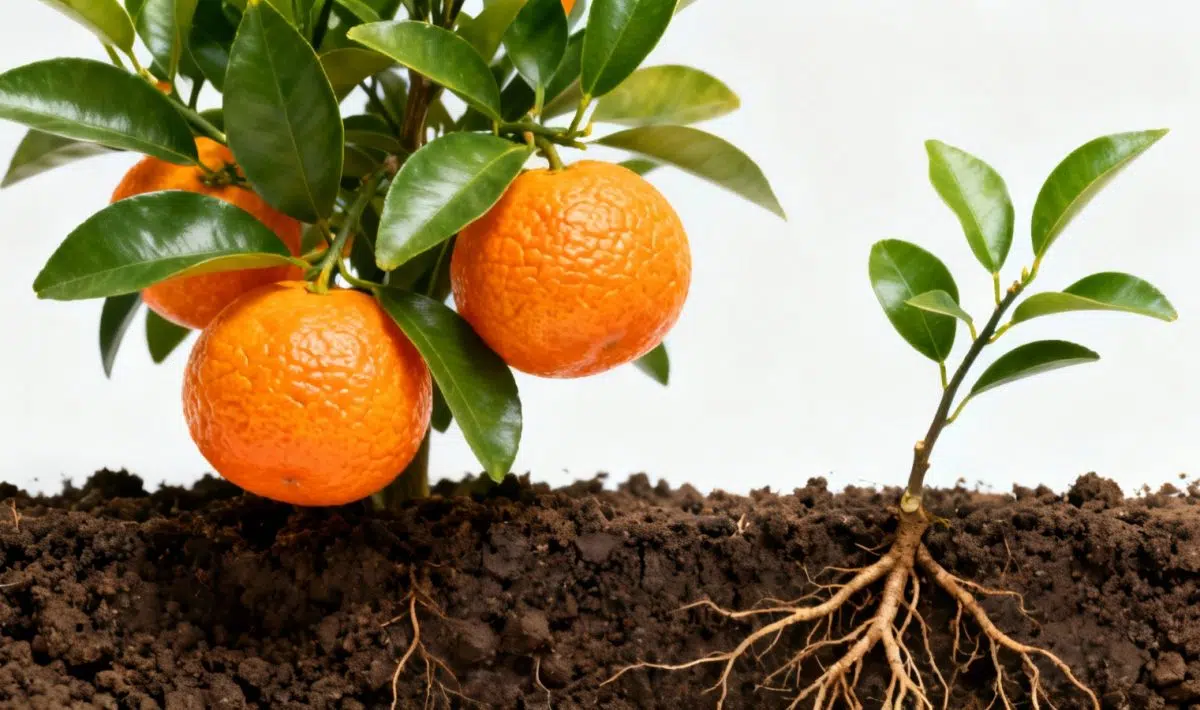
The mandarin orange, scientifically known as Citrus reticulata, stands out as one of the most rewarding fruit trees you can grow in your garden. This delightful citrus brings both beauty and bounty to any outdoor space, offering fragrant white flowers in spring and sweet, easy-to-peel fruits during winter months. Whether you’re a seasoned gardener or just starting your citrus journey, understanding how to properly care for your mandarinier will ensure years of abundant harvests.
Understanding mandarin orange characteristics and varieties
Mandarin trees typically reach heights of 8 to 25 feet, with a spreading canopy that extends 6 to 15 feet wide. The feuillage consists of glossy, elliptical leaves that remain evergreen throughout the year, creating an attractive backdrop for the tree’s seasonal displays. During printemps, clusters of small white fleurs emerge, filling your jardin with their intoxicating citrus fragrance.
The fruit varieties offer distinct characteristics worth considering for your culture. Satsuma mandarines mature earlier in the season and tolerate froid better than most citrus fruits. These fruits typically have fewer pépins and a loose peau that separates easily from the sweet flesh. Clémentine varieties, on the other hand, produce smaller, seedless fruits with a more intense orange color and concentrated flavor.
Modern cultivars have been developed to extend the harvest période throughout hiver. Some varieties produce fruits as early as October, while others continue ripening into February. This extended maturité window allows you to enjoy fresh mandarine fruits for several months, making the most of your investment in these productive arbres.
Creating optimal growing conditions
Success with mandarin cultivation begins with selecting the right location and preparing proper sol conditions. These agrumes thrive in well-draining terre that receives full sunlight for at least six hours daily. The ideal soil pH ranges between 6.0 and 7.5, slightly acidic to neutral, which allows optimal nutrient absorption.
When preparing your planting site, ensure excellent drainage to prevent root rot. If your native sol tends to retain water, consider creating raised beds or adding organic matter to improve texture. Mix compost or aged manure into the terre before plantation to provide essential nutrients and improve soil structure.
Temperature considerations play a crucial role in mandarinier health. While these plantes can tolerate brief exposure to temperatures near freezing, prolonged froid will damage both foliage and developing fruits. In colder climates, growing your mandarin in a large pot allows you to move it to protected areas during harsh weather.
Much like care tips for Oleander plants, mandarin trees benefit from consistent moisture without waterlogging. Deep, infrequent watering encourages strong root development and helps establish drought tolerance as the tree matures.
Planting and establishment techniques
The best time for planting mandarin trees is during late printemps or early summer, after the last frost danger has passed. This timing allows the roots to establish before the next winter season arrives. Choose a location protected from strong winds, which can damage delicate branches and interfere with pollination.
When transplanting from a pot, dig a hole twice as wide as the root ball but no deeper than the original soil level. Gently tease apart any circled roots to encourage outward growth. Backfill with native sol mixed with compost, water thoroughly, and apply a layer of organic mulch around the base.
Proper spacing ensures adequate air circulation and prevents competition between plantes. Allow at least 8 to 12 feet between mandarin trees and other large vegetation. This spacing also facilitates maintenance tasks like taille and harvest while reducing the risk of maladies spreading between trees.
Essential care and maintenance practices
Regular watering forms the foundation of successful mandarin care, particularly during the first few years after plantation. Young trees require consistent moisture to develop strong root systems, while established trees can tolerate brief dry periods. Water deeply once or twice weekly rather than frequent shallow watering.
Fertilization supports healthy croissance and abundant fruit production. Apply a balanced citrus fertilizer three times during the growing season: early spring before new growth begins, late spring after flowering, and mid-summer to support fruit development. Organic options include compost, fish emulsion, and specialized citrus blends.
Pruning maintains tree shape, removes damaged branches, and improves air circulation throughout the canopy. Perform light taille annually during late winter or early spring before new growth emerges. Remove suckers from the base, dead or crossing branches, and any growth that interferes with the tree’s natural form.
Similar to techniques used in caring for Philodendron ‘Birkin’, monitoring for early signs of stress helps prevent serious problems from developing. Watch for yellowing leaves, dropping fruits, or unusual growth patterns that might indicate watering, nutrition, or disease issues.
Propagation methods for expanding your collection
Growing new mandarin trees from existing ones offers several rewarding options. Semis from fresh seeds provides an inexpensive way to start new plantes, though the resulting trees may not produce fruit identical to the parent. Seeds germinate readily in warm, moist conditions but require several years before producing their first harvest.
Grafting represents the most reliable method for reproducing specific varieties. This technique involves joining a scion from your desired variety onto a hardy rootstock. The greffe process requires careful timing and proper technique but ensures the new arbre will produce fruits identical to the parent variety.
Air layering works particularly well for mandarin propagation, especially when you want to create a new tree that maintains all characteristics of the parent. This method involves encouraging roots to develop on a branch while it remains attached to the mother plant, then severing the connection once strong roots have formed.
Just as growing Monstera obliqua successfully requires patience and attention to detail, mandarin propagation demands consistent care during the establishment période. Young propagated trees need protection from extreme weather and regular monitoring to ensure successful development.
Managing common diseases and pests
Prevention remains the most effective approach to managing mandarin tree maladies. Proper cultural practices including adequate spacing, good drainage, and appropriate fertilization create conditions that naturally resist many common problems. Regular inspection allows early detection and treatment before issues become severe.
Citrus canker appears as raised, corky lesions on feuilles, twigs, and fruit surfaces. This bacterial infection spreads through wind-driven rain and contaminated tools. Remove affected plant parts immediately and disinfect pruning tools between cuts to prevent further spread throughout your collection.
Scale insects often attach to mandarin branches and leaves, feeding on plant juices and weakening overall tree health. These small, oval pests appear as brown or white bumps on plant surfaces. Horticultural oil sprays applied during cooler months effectively control scale populations without harming beneficial insects.
Root rot develops in poorly draining sol conditions, causing yellowing leaves and decline in overall vigor. Improving drainage and adjusting watering practices usually resolves mild cases, while severe infections may require fungicide treatment or even tree replacement in extreme situations.
Harvesting and enjoying your mandarin crop
Timing your mandarine harvest correctly ensures the best flavor and storage quality from your crop. Fruits typically ripen from November through February, depending on the variety and local climate conditions. Ripe mandarines easily separate from branches with a gentle twist, and the peau should give slightly under gentle pressure.
Color alone doesn’t always indicate ripeness in mandarin fruits. Some varieties maintain greenish tinges even when fully ripe, while others develop deep orange coloration. Taste testing remains the most reliable method for determining optimal harvest timing for your specific variety and growing conditions.
Fresh mandarine fruits store well at room temperature for about a week or in refrigeration for up to a month. The loose peau and segmented flesh make these agrumes perfect for fresh eating, while the aromatic oils in the peau add wonderful flavor to baked goods and preserves.
Much like the satisfaction gained from propagation of Southern magnolia, successfully growing your own mandarin crop provides both practical benefits and deep gardening satisfaction. The sweet reward of homegrown citrus fruit makes every effort invested in proper care and culture worthwhile throughout the année.

Allan is a lifelong gardening enthusiast who still gets excited when the first seedlings pop up in spring. With a deep love for nature and a hands-in-the-soil approach, he shares practical tips, plant discoveries, and clever tricks picked up over years of digging, planting, and observing. Whether you’re a new gardener or have a shed full of tools, Allan writes like a neighbor who’s always happy to swap cuttings and stories over the fence.
You can find more about Allan’s work on Malt or connect with him on LinkedIn.


