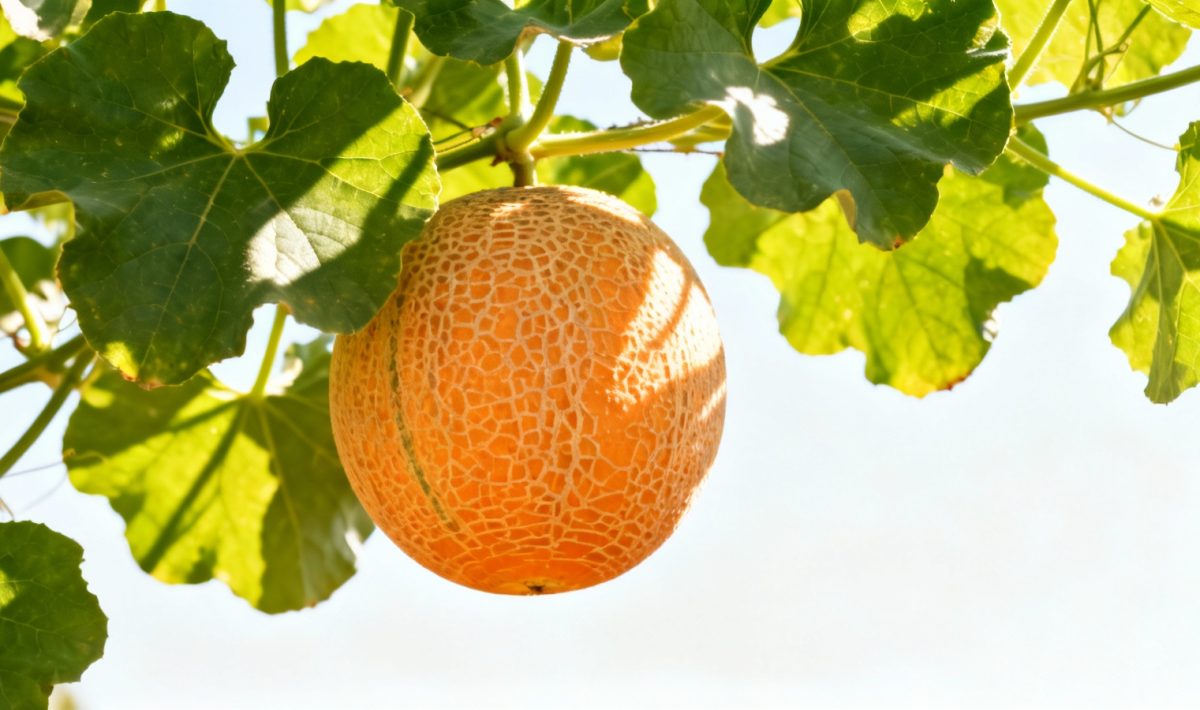
How much sunlight does cantaloupe need for perfect fruit growth
Growing cantaloupe successfully starts with understanding one fundamental requirement: sunlight. As someone who’s spent countless seasons perfecting melon cultivation, I can tell you that how much sunlight does cantaloupe need isn’t just a casual question—it’s the key to unlocking those incredibly sweet, juicy fruits we all crave.
The answer is straightforward yet crucial: cantaloupe plants need 6 to 8 hours of direct sunlight daily. However, there’s much more to this story than just a simple number. Understanding the nuances of light requirements can transform your gardening success and help you grow the most delicious melons your garden has ever produced.
Why sunlight is absolutely essential for cantaloupe success
Think of sunlight as your cantaloupe’s best friend and primary energy source. These sun-loving plants originated in warm, bright climates, and they’ve never forgotten their heritage. Without adequate light, your melon plants will struggle with weak growth, poor fruit development, and disappointing harvests.
The magic happens through photosynthesis, where plants convert sunlight into the energy they need for growth. For cantaloupe, this process directly impacts sugar concentration in the fruits. More sunlight equals sweeter melons—it’s that simple. Plants receiving insufficient light often produce bland, watery fruits that lack the characteristic sweet flavor we expect from premium cantaloupe.
Additionally, proper sunlight exposure strengthens the plant’s natural defense systems. Well-lit plants develop stronger stems, healthier foliage, and better resistance to common diseases. This robust health translates into more abundant harvests and higher-quality fruits throughout the growing season.
Specific sunlight requirements for different growth stages
Young seedlings and transplants
Your cantaloupe journey begins with seeds or young transplants, and they have specific light needs from day one. Seeds germinating indoors need bright light immediately after sprouting to prevent weak, leggy growth. Place them near south-facing windows or under grow lights for 12-14 hours daily.
When transplanting outdoors, choose your timing carefully. Young plants need gradual exposure to direct sunlight to avoid shock. Start with 4-5 hours of morning sun, then gradually increase exposure over a week until they receive the full 6-8 hours daily. This gentle transition helps establish strong root systems and healthy growth patterns.
Just like understanding sunlight requirements for catnip growth, recognizing these early-stage needs sets the foundation for successful cultivation throughout the season.
Mature plants and fruit development
Once established, adult cantaloupe plants become true sun worshippers. They thrive with 8 hours of direct sunlight, particularly during the critical fruit development phase. Morning sun is especially valuable as it helps dry dew from leaves, reducing disease risk while providing gentle warming that kickstarts daily photosynthesis.
During fruit maturation, consistent sunlight becomes even more important. The final weeks before harvest are when sugar concentration reaches its peak, and adequate light exposure directly influences this process. Fruits developing in partial shade often remain less sweet and may develop poor texture.
Maximizing sunlight exposure in your garden
Creating optimal growing conditions requires strategic planning and smart garden management. Start by selecting the sunniest location in your garden, ideally with southern exposure and minimal shade from trees, buildings, or other structures throughout the day.
Consider these practical strategies for maximizing light exposure:
Plant cantaloupe in raised beds or mounds to improve drainage and sun exposure
Space plants adequately to prevent overcrowding and shade competition
Remove lower leaves that shade developing fruits
Use reflective mulches like aluminum foil or white plastic to increase light reflection
Avoid planting near tall crops that might cast shadows during peak growing hours
Not everyone has access to perfect growing conditions, but don’t let that discourage you. If your garden receives only 6 hours of direct sun, you can still grow decent cantaloupe by choosing compact varieties and using reflective techniques to amplify available light.
For gardeners with limited space or poor sun exposure, container growing offers excellent alternatives. Large containers can be moved throughout the day to follow the sun, ensuring plants receive maximum light exposure. Choose containers at least 20 gallons in size to provide adequate root space for healthy development.
Understanding light needs parallels other garden plants—for instance, sunlight needs for garden petunias demonstrate how proper light management affects overall plant health and productivity.
Indoor growing considerations
While cantaloupe naturally thrives outdoors, indoor cultivation is possible with proper lighting equipment. You’ll need high-intensity grow lights providing full-spectrum illumination for 12-14 hours daily. LED grow lights work well, offering energy efficiency and customizable light spectrums.
Temperature control becomes crucial indoors, as cantaloupe needs warm conditions (75-85°F during the day) combined with adequate ventilation. Hand pollination is necessary since natural pollinators won’t be available, but this gives you complete control over fruit production.
Indoor growing requires more attention to detail than outdoor cultivation, similar to managing light requirements for English ivy in controlled environments.
Signs of insufficient sunlight
Recognizing sunlight deficiency early can save your harvest. Watch for these telltale signs that your cantaloupe isn’t receiving enough light:
Pale, yellowish leaves instead of deep green foliage
Weak, spindly stems that struggle to support plant weight
Delayed flowering or poor flower development
Small, poorly formed fruits with bland flavor
Increased susceptibility to diseases and pests
If you notice these symptoms, consider relocating plants, pruning surrounding vegetation, or implementing light-enhancing techniques like reflective mulching.
Seasonal sunlight management
Sunlight availability changes throughout the growing season, and successful cantaloupe cultivation requires adapting to these variations. Early season plantings benefit from maximum sun exposure to encourage vigorous growth, while mid-season management focuses on maintaining consistent light for fruit development.
Late in the season, as sun angles change and days shorten, you might need to adjust your approach. Remove excess foliage that blocks light from reaching developing fruits, and consider using season extenders like row covers during cooler periods while maintaining light access.
The relationship between sunlight and harvest quality extends right to picking time. Fruits that receive consistent sunlight develop better flavor, improved texture, and longer storage life. Plan your harvest for late morning or early afternoon when fruits have had several hours of sun exposure.
This timing ensures maximum sugar content and optimal fruit quality. Morning-picked fruits often lack the full flavor development that occurs with daily sun warming, while evening harvests might have slightly reduced sugar concentration.
Creating the perfect cantaloupe growing environment
Successful cantaloupe cultivation combines proper sunlight management with complementary growing practices. Ensure your soil drains well while retaining adequate moisture, as waterlogged conditions can stress plants even with perfect light exposure.
Temperature management works hand-in-hand with sunlight exposure. Cantaloupe thrives in warm conditions, and adequate sunlight helps maintain optimal soil and air temperatures. Mulching around plants helps regulate soil temperature while reflecting additional light onto lower plant portions.
Remember that growing premium cantaloupe requires patience, attention to detail, and consistent care. With proper sunlight management and quality seeds from reliable sources, you’ll be harvesting sweet, delicious melons that rival anything available commercially.
The investment in understanding and providing optimal growing conditions pays dividends in flavor, yield, and gardening satisfaction. Your garden can produce exceptional cantaloupe when you give these sun-loving plants the bright, consistent light they crave throughout their growing season.
Allan is a lifelong gardening enthusiast who still gets excited when the first seedlings pop up in spring. With a deep love for nature and a hands-in-the-soil approach, he shares practical tips, plant discoveries, and clever tricks picked up over years of digging, planting, and observing. Whether you’re a new gardener or have a shed full of tools, Allan writes like a neighbor who’s always happy to swap cuttings and stories over the fence.
You can find more about Allan’s work on Malt or connect with him on LinkedIn.