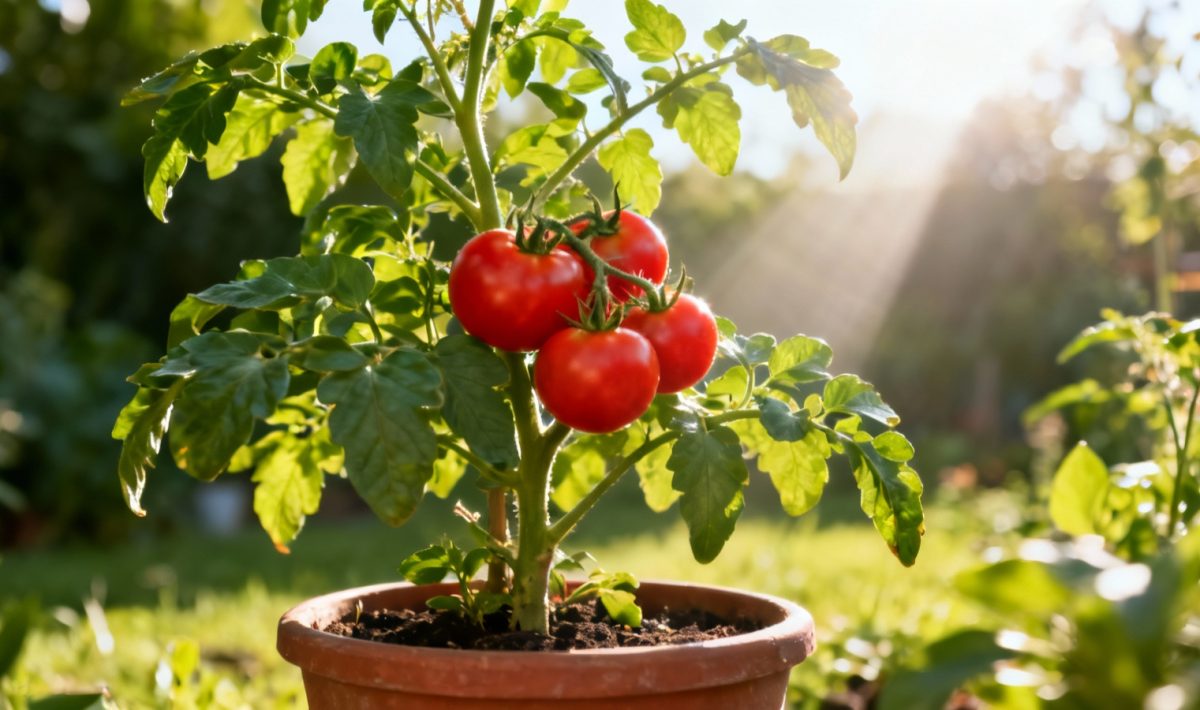
How much sunlight does tomato need for optimal growth and harvest
Growing juicy, flavorful tomatoes in your garden starts with understanding one fundamental question: how much sunlight does tomato need? As a warm-season crop, tomatoes thrive in bright, sunny conditions, but getting the balance right can make the difference between a mediocre harvest and baskets full of delicious fruits. Most gardeners discover that tomato plants require specific light conditions to reach their full potential, and understanding these needs will transform your growing success.
The simple answer is that tomatoes need at least 6 to 8 hours of direct sunlight daily for optimal growth and fruit production. However, the story doesn’t end there. Different varieties have varying light requirements, and factors like climate, growing methods, and plant maturity all influence how much sun your tomatoes actually need.
Essential sunlight requirements for healthy tomato plants
Tomato plants are sun-loving crops that depend on adequate light for photosynthesis, flowering, and fruit development. Research shows that plants receiving less than 4 to 5 hours of direct sunlight experience up to 40% reduction in flowering, dramatically affecting your final harvest. This explains why many gardeners struggle with poor fruit set when growing tomatoes in partially shaded areas.
The sweet spot for most tomato varieties falls between 6 to 8 hours of direct morning and afternoon sun. During this time, plants can efficiently convert sunlight into energy, supporting strong stem growth, robust root development, and abundant flower production. Morning sun is particularly valuable as it helps dry dew from leaves, reducing the risk of fungal diseases that commonly affect tomato plants.
In extremely hot climates where temperatures regularly exceed 90°F, some afternoon shade can actually benefit plants by preventing heat stress. This doesn’t mean reducing total light hours, but rather providing protection during the most intense part of the day while maintaining adequate overall exposure.
Understanding different tomato varieties and their light needs
Not all tomatoes are created equal when it comes to light requirements. Determinate varieties, which grow to a specific height and produce fruit over a shorter period, typically need consistent, full sun exposure throughout their growing season. These compact plants work well in containers and smaller spaces but require maximum light efficiency to produce their concentrated harvest.
Indeterminate varieties continue growing and producing fruit until frost kills them, making them more adaptable to varying light conditions. While they still perform best with 6 to 8 hours of direct sun, these plants can tolerate slightly less light and still produce reasonable yields. Some heirloom varieties have been selected over generations for specific growing conditions, including tolerance for partial shade.
Cherry tomatoes generally require full sun exposure to develop their characteristic sweet flavor and abundant clusters. Similar to optimal sunlight for radish plants, smaller fruited varieties often need more intense light to concentrate sugars and achieve peak flavor profiles that make them garden favorites.
Maximizing sun exposure in your garden layout
Strategic garden planning ensures your tomato plants receive optimal light throughout the growing season. Position tomato beds or containers in the sunniest part of your garden, typically facing south or southeast to capture maximum morning and midday sun. Avoid planting near large trees, buildings, or structures that cast shadows during peak sunlight hours.
Consider the mature size of your plants when planning spacing. Overcrowded tomatoes shade each other, reducing light penetration to lower leaves and interior branches. Proper spacing allows air circulation and ensures each plant receives adequate light for photosynthesis and disease prevention.
For gardeners with limited sunny space, container growing offers flexibility to move plants throughout the day or season to follow the best light. Large containers allow root development while providing the mobility to optimize sun exposure as conditions change.
Soil preparation for light-hungry plants
Rich, well-draining soil supports plants in making the most of available sunlight. Tomatoes grown in nutrient-dense soil can better utilize light energy for growth and fruit production. Adding compost, aged manure, and organic matter creates the foundation for healthy plants that efficiently process sunlight into delicious fruits.
Good drainage prevents root problems that can limit a plant’s ability to uptake nutrients needed for photosynthesis. Just as sunlight requirements for eggplant growth depend on healthy soil conditions, tomatoes need well-prepared growing medium to maximize their sun exposure benefits.
Germination and early growth light needs
Starting tomatoes from seeds requires different light considerations than mature plants. Seeds germinate in darkness, but seedlings need bright light immediately after emergence to prevent stretching and weak stem development. Many indoor growers use grow lights to provide 14 to 16 hours of artificial light for young seedlings.
Natural window light often isn’t sufficient for strong seedling growth, leading to tall, weak plants that struggle when transplanted outdoors. Supplemental lighting helps produce stocky, robust seedlings that better handle the transition to garden conditions and full sun exposure.
Gradually acclimating seedlings to outdoor conditions, including full sun exposure, prevents transplant shock and ensures plants can immediately take advantage of optimal growing conditions. This hardening-off process typically takes 7 to 10 days of increasing outdoor exposure.
Managing light stress and plant health
While tomatoes love sun, excessive heat combined with intense light can cause stress symptoms including wilting, leaf curl, and sunscald on fruits. Monitoring plants during hot weather helps identify when additional shade or protection might benefit overall plant health without sacrificing necessary light hours.
Mulching around plants helps moderate soil temperature and moisture, supporting roots in hot, sunny conditions. This allows plants to better utilize available light without suffering from heat stress that can reduce flowering and fruit set.
Understanding your local climate helps determine if morning shade, afternoon protection, or season extension techniques will optimize your tomato growing success. Like light needs of selloum plants, tomatoes benefit from consistent, appropriate light levels rather than extreme conditions.
Optimizing harvest timing and quality
Adequate sunlight directly impacts fruit quality, flavor development, and harvest timing. Tomatoes receiving optimal light exposure ripen evenly, develop better color, and contain higher levels of beneficial compounds like lycopene and vitamin C. Insufficient light leads to pale, poorly flavored fruits that may never fully ripen.
Plants in full sun typically begin flowering earlier and set fruit more reliably than those in partial shade. This earlier start extends your harvest season and increases total yield, making proper sun exposure essential for productive gardens.
Regular monitoring helps identify plants that might need additional support, pruning, or repositioning to maintain optimal light exposure throughout the growing season. Just as necessary light for angel’s-wings requires attention to changing conditions, tomato plants benefit from ongoing assessment of their light environment.
Seasonal considerations and climate adaptations
Different regions require varying approaches to managing tomato light exposure. Northern gardeners often need to maximize every available hour of sunlight, while southern growers may need strategies to prevent excessive heat stress during peak summer months.
Season extension techniques like cold frames, row covers, or greenhouse growing can help optimize light exposure while protecting plants from weather extremes. These methods allow gardeners to provide ideal light conditions regardless of local climate challenges.
Understanding your specific growing zone helps determine the best varieties and techniques for your area. Heat-tolerant varieties work well in southern climates, while shorter-season types suit northern gardens where maximizing limited growing time becomes crucial for success.
Advanced growing techniques for optimal light use
Experienced gardeners employ various techniques to maximize light efficiency in their tomato crops. Pruning lower branches and suckers helps direct energy to fruit production while improving light penetration to all parts of the plant. This selective pruning maintains plant health while optimizing the benefits of available sunlight.
Training systems like cages, stakes, or trellises keep plants upright and ensure all branches receive adequate light exposure. Proper support prevents branches from shading each other and allows better air circulation, reducing disease pressure that can limit plant productivity.
Some growers experiment with reflective mulches or light-colored materials around plants to increase available light, particularly useful in areas with marginal sun exposure. While not essential for most situations, these techniques can help optimize growing conditions in challenging locations.
Companion planting considerations ensure that neighboring plants don’t compete for light or cast unwanted shade on tomatoes. Strategic placement of shorter crops like sunlight requirements for rutabaga plants can maximize garden space without compromising tomato light needs.
Troubleshooting common light-related problems
Many tomato growing problems stem from inadequate or excessive light exposure. Plants receiving insufficient sun often show symptoms like excessive leaf growth, few flowers, delayed fruit set, and poor fruit quality. These plants may appear healthy and green but fail to produce the expected harvest.
Conversely, plants in extremely hot, sunny conditions without adequate moisture may show signs of stress including wilted leaves during midday, sunscald on fruits, and reduced flowering during the hottest parts of summer. Balancing light exposure with other growing conditions ensures healthy, productive plants.
Identifying and correcting light-related issues early in the season helps ensure better overall plant performance. Sometimes simple adjustments like relocating containers, pruning nearby vegetation, or adding temporary shade can resolve problems and improve harvest outcomes.
Regular observation helps gardeners understand how their specific growing conditions affect plant performance. Unlike some shade-tolerant plants such as sunlight needs for Jimsonweed growth, tomatoes clearly demonstrate their light requirements through growth patterns and fruit production.
Success with tomato growing comes from understanding that these plants need consistent, adequate sunlight to thrive. Providing 6 to 8 hours of direct sun daily, combined with proper soil preparation and plant care, creates the foundation for abundant harvests of delicious, homegrown tomatoes. Whether you’re growing compact varieties in containers or sprawling heirloom plants in garden beds, meeting their fundamental light requirements ensures your efforts result in the fresh, flavorful tomatoes that make gardening so rewarding.
Allan is a lifelong gardening enthusiast who still gets excited when the first seedlings pop up in spring. With a deep love for nature and a hands-in-the-soil approach, he shares practical tips, plant discoveries, and clever tricks picked up over years of digging, planting, and observing. Whether you’re a new gardener or have a shed full of tools, Allan writes like a neighbor who’s always happy to swap cuttings and stories over the fence.
You can find more about Allan’s work on Malt or connect with him on LinkedIn.