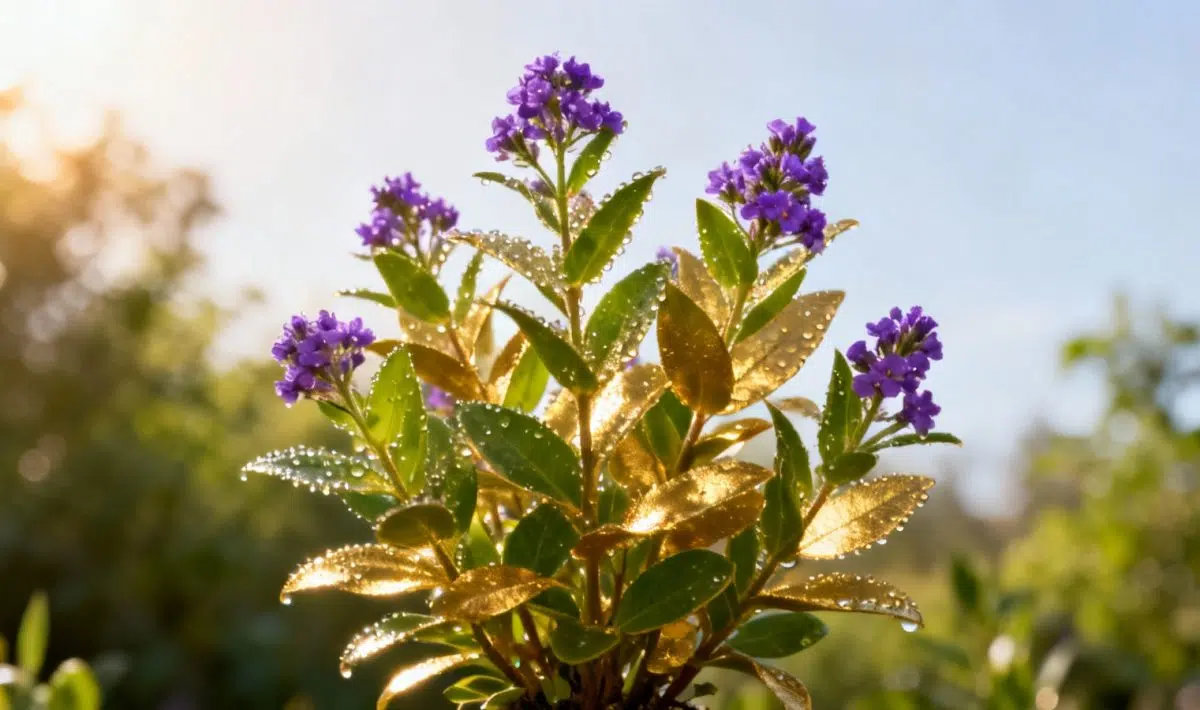
Understanding golden dewdrops sunlight requirements
Golden dewdrops, scientifically known as Duranta erecta, are stunning tropical shrubs that absolutely thrive when you give them the right amount of sunlight. These vibrant plants have very specific light needs that directly impact their growth and flowering potential. If you’re wondering how much sun your golden dewdrops need, the answer is quite straightforward – they’re sun-loving plants that require full exposure for optimal performance.
The basic rule is simple: golden dewdrops need at least 6 hours of direct sunlight daily, with 6-8 hours being the sweet spot for maximum blooming. This requirement isn’t negotiable if you want to see those gorgeous purple flowers that make this plant so desirable. When golden dewdrops receive adequate sunlight, they reward you with abundant blooms and lush, healthy foliage.
Full sun versus partial shade conditions
While golden dewdrops can tolerate some shade, there’s a big difference between what they can survive and what makes them flourish. Full sun exposure means your plant receives direct sunlight for most of the day without any major obstructions. This is where golden dewdrops perform their best, producing the most flowers and maintaining their compact, bushy growth habit.
Partial shade conditions, which typically provide 3-6 hours of sunlight, will keep your plant alive but significantly reduce flowering. You’ll notice that plants grown in partial shade tend to become leggy and produce fewer blooms. The color of both flowers and foliage may also appear less vibrant compared to plants grown in full sun.
Optimal timing for sunlight exposure
Not all sunlight is created equal, especially when it comes to golden dewdrops care. Morning sunlight is particularly beneficial because it’s gentler and helps dry dew from the leaves, which can prevent fungal issues. The early hours provide essential energy for photosynthesis without the intense heat that comes later in the day.
However, in regions with extremely intense afternoon sun, you might want to provide some light afternoon shade to prevent leaf scorch. This is particularly important in very hot climates where temperatures regularly exceed 95°F. A location that receives full morning sun and light afternoon shade can work well in these conditions, though you may see slightly reduced flowering compared to full sun exposure.
Seasonal considerations for light exposure
Throughout the year, the angle and intensity of sunlight changes, which affects how your golden dewdrops receive light. During summer months, when the sun is higher and more intense, your plant will get maximum benefit from its placement. This is typically when you’ll see the most prolific blooming period.
Winter months bring lower light levels and shorter days, which naturally slow down growth and flowering. In colder regions where golden dewdrops are grown as houseplants or moved indoors, you’ll need to find the brightest possible location. South-facing windows work best for indoor cultivation during these months.
Signs of insufficient sunlight
Your golden dewdrops will tell you if they’re not getting enough light through several clear indicators. The most obvious sign is reduced flowering – you might see very few blooms or none at all. The plant may also develop an etiolated appearance, with long, weak stems and sparse foliage as it stretches toward available light sources.
Leaf color can also change when light is insufficient. Instead of vibrant green foliage, you might notice paler, less colorful leaves. The overall plant structure becomes loose and open rather than the dense, bushy form that characterizes well-grown golden dewdrops. Similar to how sunlight requirements for healthy eggplants are crucial for proper development, golden dewdrops need adequate light to maintain their natural growth pattern.
Impact on growth and flowering patterns
When golden dewdrops don’t receive sufficient sunlight, their entire growth cycle becomes disrupted. Flowering occurs in cycles throughout the growing season, but inadequate light can interrupt these natural rhythms. You may notice that flower production becomes sporadic or stops entirely during periods of low light.
The plant’s ability to produce the characteristic purple flowers with their bright orange berries depends heavily on consistent light exposure. Without proper sunlight, even the few flowers that do develop may be smaller and less vibrant than those on plants grown in optimal conditions.
Maximizing light exposure for your plants
Strategic placement is key to ensuring your golden dewdrops receive optimal sunlight. Choose locations that aren’t shaded by buildings, fences, or large trees during peak sunlight hours. South-facing exposures typically provide the most consistent light throughout the day, while east and west exposures can also work well depending on your local conditions.
If you’re growing golden dewdrops in containers, you have the advantage of mobility. You can move pots to follow the sun or relocate them seasonally as light patterns change around your property. This flexibility allows you to optimize light exposure throughout the year, which is particularly valuable in regions with varying seasonal conditions.
Just as optimal sunlight for angel’s-wings plants requires careful consideration of placement, golden dewdrops benefit from thoughtful positioning in your landscape or container garden.
Using reflective surfaces and garden design
Sometimes you can enhance natural sunlight through clever garden design. Light-colored surfaces like white walls, stone paths, or light mulch can reflect additional light onto your plants. This technique can be particularly helpful if your garden has areas with marginal light conditions where you’d like to grow golden dewdrops.
Pruning nearby vegetation can also open up light channels to your golden dewdrops. Removing lower branches from trees or trimming overgrown shrubs might provide the extra hours of sunlight your plant needs to thrive. Remember that even one additional hour of direct sunlight can make a significant difference in flowering performance.
Troubleshooting common light-related issues
If your golden dewdrops isn’t performing as expected, light issues are often the culprit. Start by tracking how much actual sunlight your plant receives throughout the day. What appears to be a sunny spot might actually receive less light than you think due to shadows from structures or other plants.
Consider that light needs can change as surrounding vegetation grows. A spot that was perfect last year might now be too shaded if nearby trees or shrubs have grown larger. Regular assessment of your plant’s light conditions helps ensure continued optimal performance.
Understanding these principles applies to many sun-loving plants, much like how ideal sunlight for healthy radish growth follows similar patterns of requiring consistent, adequate exposure for proper development.
Solutions for challenging light conditions
When your garden doesn’t naturally provide ideal light conditions, there are several solutions you can implement. Container growing offers the most flexibility, allowing you to move plants to track optimal light throughout the day or season. This approach works particularly well for those with limited garden space or challenging exposures.
For permanently planted golden dewdrops in less-than-ideal locations, strategic pruning of surrounding vegetation can help. You might also consider transplanting to a better location if the current spot simply can’t provide adequate light. While this requires some effort, the improvement in flowering and overall plant health makes it worthwhile.
Supplemental lighting using grow lights can help indoor plants, though this is typically only necessary for houseplant situations during winter months. For outdoor growing, natural sunlight is always preferable and more effective than artificial alternatives.
Complementary care factors
While sunlight is crucial for golden dewdrops, it works best when combined with proper care in other areas. Adequate watering becomes even more important when plants are grown in full sun, as they’ll lose more moisture through transpiration. The soil should be well-draining but consistently moist during the growing season.
Fertilization also plays a supporting role in helping your plant make the most of available sunlight. A balanced fertilizer applied during the growing season helps fuel the increased photosynthesis that occurs with optimal light exposure. This combination of proper light, water, and nutrition creates the ideal environment for maximum flowering.
Just as sunlight needs for thriving selloum must be balanced with appropriate care practices, golden dewdrops achieve their best performance when all growing conditions work together harmoniously.
With the right sunlight exposure – those crucial 6-8 hours of direct sun daily – your golden dewdrops will reward you with abundant purple flowers, healthy growth, and the stunning garden display that makes this tropical beauty such a beloved choice for warm-climate gardening.
Allan is a lifelong gardening enthusiast who still gets excited when the first seedlings pop up in spring. With a deep love for nature and a hands-in-the-soil approach, he shares practical tips, plant discoveries, and clever tricks picked up over years of digging, planting, and observing. Whether you’re a new gardener or have a shed full of tools, Allan writes like a neighbor who’s always happy to swap cuttings and stories over the fence.
You can find more about Allan’s work on Malt or connect with him on LinkedIn.