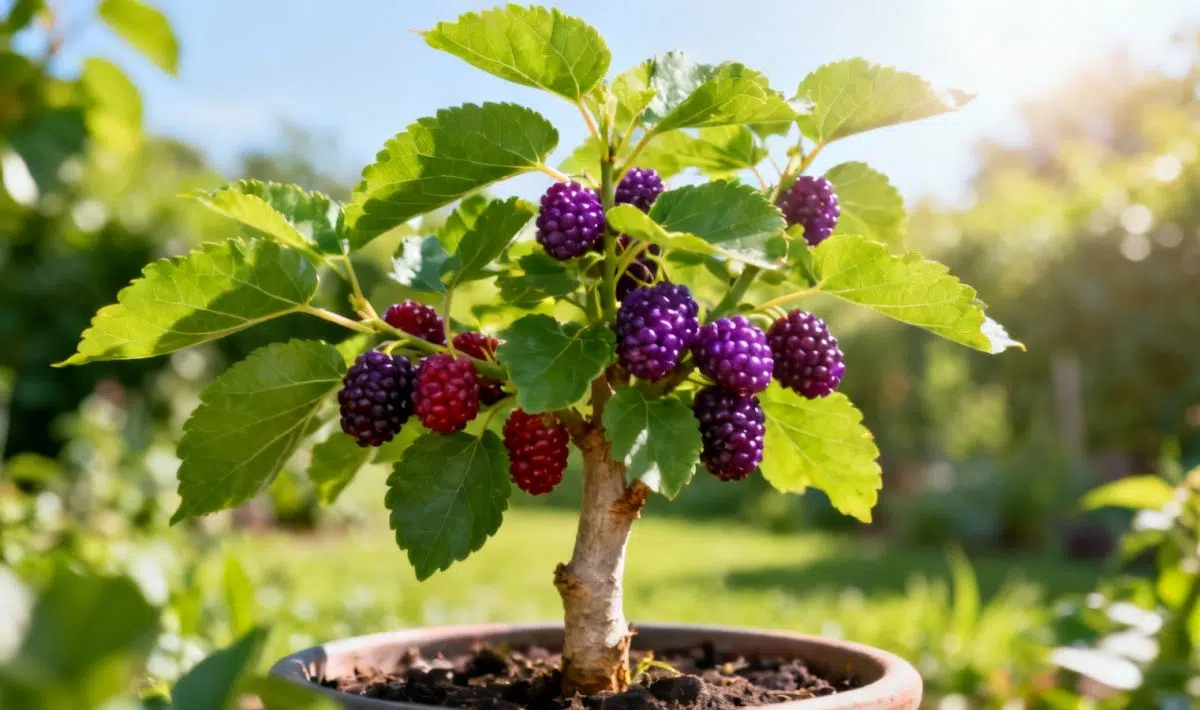
Understanding mulberry sunlight requirements for successful cultivation
Growing healthy mulberry trees starts with understanding their fundamental light needs. These remarkable fruit trees thrive when given proper sunlight exposure, and knowing exactly how much light your mulberry needs can make the difference between a struggling tree and one that produces abundant, sweet fruits. Most mulberry varieties require at least 6 hours of direct sunlight daily to reach their full potential.
The relationship between sunlight and mulberry growth is quite straightforward – these trees are naturally heliophilic, meaning they actively seek and require bright light conditions. When planted in optimal sunny locations, mulberry trees develop stronger branches, produce more flowers, and ultimately yield better fruit harvests than those grown in shadier spots.
Different mulberry varieties and their specific light needs
Black mulberry trees (Morus nigra) are among the most tolerant when it comes to light conditions. While they prefer full sun exposure with 6-8 hours of direct light, they can adapt to partial shade receiving about 4-6 hours of sunlight daily. However, trees grown in partial shade may produce fewer fruits and develop a more open growth habit.
White mulberry varieties (Morus alba) are slightly more demanding in their sunlight requirements. These fast-growing trees perform best with full sun exposure throughout most of the day. They need consistent light to support their vigorous growth and maintain their characteristic dense foliage. When considering plants for your garden, understanding these differences helps ensure you select the right variety for your specific growing conditions.
Red mulberry trees share similar requirements with their white cousins, thriving in full sun positions. Just as with sunlight requirements for eggplant growth, proper light exposure directly impacts fruit quality and overall plant health.
The role of sunlight in fruit production
Adequate sunlight exposure plays a crucial role in mulberry fruit development and sweetness. Trees receiving sufficient light produce more flowers during their blooming period, which translates to higher fruit yields. The sugars that make mulberry fruits so deliciously sweet develop through photosynthesis, a process that requires consistent, bright light.
Insufficient sunlight often results in pale, less flavorful fruits that lack the deep color and intense sweetness characteristic of well-grown mulberries. This is why commercial growers always prioritize sunny locations when establishing new mulberry orchards.
Optimal growing conditions beyond sunlight
While sunlight remains the primary concern, successful mulberry cultivation requires attention to soil conditions as well. These adaptable trees prefer well-draining soil with a pH between 6.0 and 7.0. Good drainage prevents root rot, which can be particularly problematic in areas with heavy clay soil or poor water management.
Soil preparation should include organic matter incorporation to improve both drainage and nutrient content. Similar to how perfect sunlight for angel’s-wings affects plant health, proper soil conditions work hand-in-hand with adequate light to promote vigorous mulberry growth.
Planting techniques for maximum sun exposure
When selecting a planting location, choose spots that receive morning sun, as this helps dry dew from leaves and reduces disease pressure. Avoid areas where buildings, fences, or other trees might cast shadows during peak daylight hours. Young mulberry trees are particularly sensitive to light competition from nearby vegetation.
Space multiple trees appropriately to prevent them from shading each other as they mature. Standard mulberry trees can reach considerable size, so plan for their eventual spread when determining planting distances.
Managing mulberry trees in less-than-ideal light conditions
If your garden doesn’t offer perfect sun exposure, don’t despair. Mulberry trees grown in partial shade can still be productive with proper care. Pruning becomes more important in these situations, as removing excess branches allows better light penetration to remaining foliage and developing fruits.
Regular pruning also helps maintain tree size and shape, making harvesting easier while ensuring sunlight reaches all parts of the tree. Much like optimal sunlight for radish plants influences their development, strategic pruning can help optimize whatever light your mulberry receives.
Seasonal light considerations
Remember that sun patterns change throughout the growing season. What seems like adequate light in early spring might become insufficient as nearby deciduous trees leaf out and create more shade. Monitor your mulberry’s light exposure throughout the year and adjust by pruning competing vegetation when necessary.
Winter sunlight patterns differ significantly from summer ones, but since mulberry trees are deciduous, this seasonal variation is less critical than ensuring adequate light during their active growing period from spring through fall.
Signs of insufficient sunlight in mulberry trees
Recognizing the symptoms of inadequate light exposure helps you address problems before they significantly impact your tree’s health. Mulberry trees receiving insufficient sunlight often develop elongated, weak branches as they stretch toward available light sources. The foliage may appear pale or yellowish rather than the rich green typical of healthy trees.
Fruit production decreases notably in under-lit trees, and the fruits that do develop are often smaller and less sweet. Just as sunlight needs for healthy selloum affect indoor plant growth, inadequate light compromises mulberry fruit quality and overall tree vigor.
Poor light conditions also make trees more susceptible to pest and disease issues. Weak, spindly growth provides ideal conditions for aphids and other insects, while reduced air circulation in shaded areas increases fungal disease risk.
Solutions for improving light exposure
If your mulberry isn’t receiving enough sunlight, several strategies can help improve the situation. Selective pruning of nearby trees or shrubs can increase light penetration without requiring major landscape changes. Sometimes simply trimming lower branches from overhead trees creates enough additional light.
For more severe shading problems, consider relocating young trees to sunnier spots. While this isn’t practical for established trees, younger mulberries transplant relatively easily during their dormant period.
Maximizing your mulberry harvest through proper light management
Understanding how much sunlight your mulberry needs sets the foundation for successful fruit production. These versatile trees reward proper placement and care with years of delicious harvests. Whether you’re growing black, white, or red varieties, ensuring adequate light exposure remains the single most important factor in their success.
Regular monitoring and maintenance help maintain optimal growing conditions throughout your tree’s life. Much like understanding ideal sunlight for Jimsonweed growth benefits gardeners working with various plants, knowing your mulberry’s specific needs enables you to provide the best possible care.
With proper attention to sunlight requirements and supporting care practices, your mulberry trees will provide abundant harvests of nutritious, flavorful fruits for many years to come. The investment in understanding and providing adequate light pays dividends in both tree health and fruit quality.
Allan is a lifelong gardening enthusiast who still gets excited when the first seedlings pop up in spring. With a deep love for nature and a hands-in-the-soil approach, he shares practical tips, plant discoveries, and clever tricks picked up over years of digging, planting, and observing. Whether you’re a new gardener or have a shed full of tools, Allan writes like a neighbor who’s always happy to swap cuttings and stories over the fence.
You can find more about Allan’s work on Malt or connect with him on LinkedIn.