Mulberry Morus alba: complete care, characteristics and cultivation tips
The white mulberry (Morus alba) stands as one of the most fascinating and historically significant trees you can grow in your garden. Originally from China, this remarkable species has captivated gardeners worldwide with its hardy nature and delicious fruits. Despite its name, the white mulberry doesn’t get its designation from its fruit color, but rather from its distinctive white buds that appear in spring.
The Morus alba is a deciduous tree that typically reaches around 10 meters in height when fully mature. What makes this species particularly interesting is its historical connection to silk production, as its leaves have been the primary food source for silkworms for thousands of years. The tree’s robust nature and adaptability have made it a popular choice for gardeners seeking both beauty and functionality in their outdoor spaces.
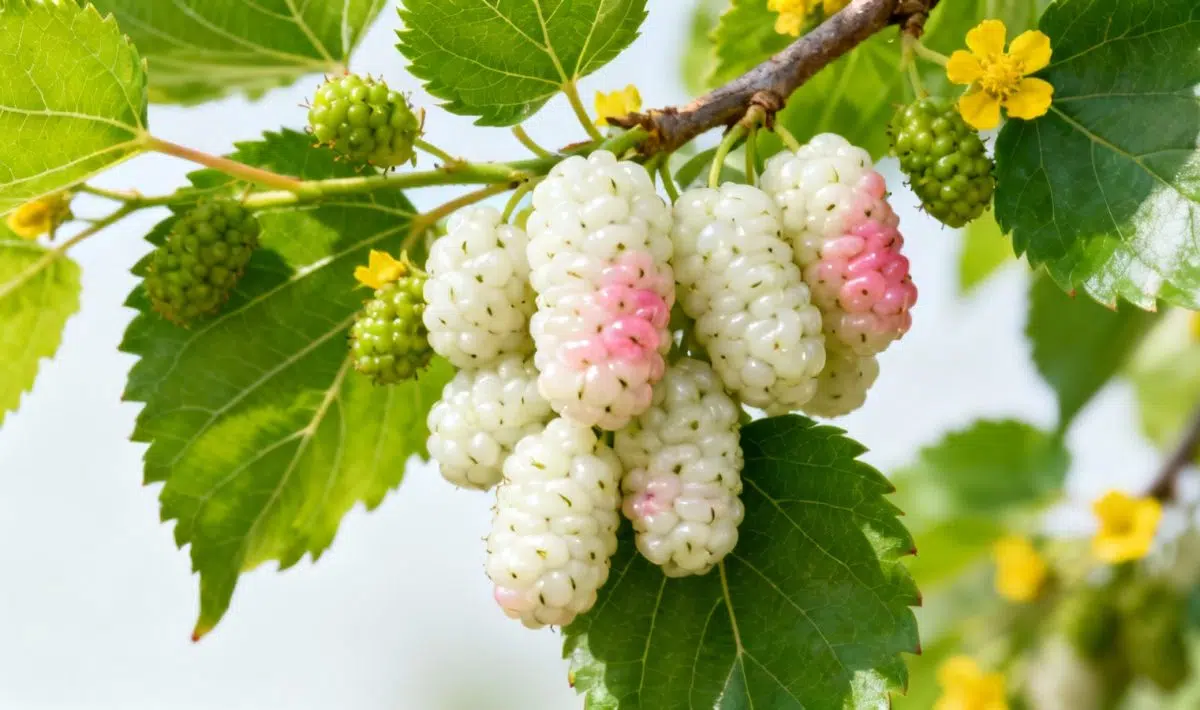
The flowers of the white mulberry are quite distinctive. Male flowers form cylindrical catkins, while female flowers produce more spherical clusters. The tree relies on wind pollination, which means you don’t need to worry about attracting specific pollinators. The fruits themselves are fascinating – they’re actually compound fruits called syncarps, measuring about 2-3 centimeters long and starting white or pink before turning a beautiful raspberry red when ripe.
Botanical characteristics and varieties
When examining the leaves of Morus alba, you’ll notice their remarkable versatility. The foliage can vary significantly in shape, even on the same tree, ranging from simple oval forms to deeply lobed configurations. This characteristic has made the species particularly valuable in traditional medicine and culinary applications across different cultures.
The bark of mature trees develops an attractive gray-brown color with interesting textural patterns. The wood itself is quite durable and has historically been used for various purposes, including paper production in some regions. Just as gardeners appreciate learning about different fruit varieties like those discussed in care tips for growing apricot trees, understanding mulberry characteristics helps in proper cultivation.
Differences from black mulberry
While Morus alba shares many similarities with its cousin Morus nigra (black mulberry), there are several key differences. The white mulberry tends to be more cold-hardy and adapts better to various soil conditions. The fruits of alba varieties are generally sweeter and less tart than those of nigra, making them excellent for fresh consumption and culinary uses.
Ideal growing conditions for Morus alba
Creating the perfect environment for your white mulberry starts with understanding its light requirements. These trees absolutely thrive in full sun exposure, though they can tolerate partial shade. However, for the best fruit production and overall tree health, aim for at least six hours of direct sunlight daily.
Soil requirements are refreshingly flexible with mulberries. They adapt well to various soil types, from clay to sandy loam, as long as drainage is adequate. The ideal soil should be rich, deep, and well-draining with a pH between 6.0 and 7.0. However, these adaptable trees can tolerate slightly alkaline conditions without significant issues.
Climate considerations
White mulberries are remarkably hardy, tolerating temperatures well below freezing once established. They perform best in temperate climates and can handle both humid and drier conditions. In France and much of Europe, they’ve become naturalized and grow successfully in various microclimates.
Planting your mulberry tree
When selecting a location for planting, consider the mature size of your tree. Choose a spot that provides adequate space for the canopy to develop without interfering with structures or power lines. The best time for planting is during the dormant season, typically late fall through early spring.
If you’re planting in a pot initially, select a container at least 24 inches wide and deep. This approach works well for younger trees and allows you to control growing conditions more precisely. Much like the careful planning required when growing cucumbers in your garden, proper spacing and location selection are crucial for success.
Dig a hole twice as wide as the root ball but no deeper than the root ball’s height. This prevents the tree from settling too low, which can lead to root problems. Mix some compost into the native soil, but avoid creating too rich a planting medium that might encourage excessive soft growth.
Care and maintenance essentials
Proper watering is crucial during the first growing season. Water deeply but infrequently, allowing the soil to dry slightly between waterings. Established trees are quite drought-tolerant but benefit from consistent moisture during fruit development periods.
Fertilization needs are generally minimal for mulberry trees. A balanced, slow-release fertilizer applied in early spring provides adequate nutrition for most growing conditions. Over-fertilizing can actually reduce fruit production and make the tree more susceptible to diseases.
Pruning and shaping
Regular pruning helps maintain tree health and shape. The best time for major pruning is during the dormant season, typically late winter. Remove any dead, damaged, or crossing branches first, then focus on maintaining an open canopy that allows good air circulation.
Young trees benefit from formative pruning to establish a strong structure. Remove lower branches to create a clear trunk of about 6 feet, which makes maintenance easier and improves the tree’s appearance in garden settings.
Propagation methods
Growing mulberries from seeds is possible but can be unpredictable in terms of fruit quality and tree characteristics. If you choose this method, collect fresh fruits and extract the small seeds, then stratify them in slightly moist sand in the refrigerator for 60-90 days before planting.
Cutting propagation offers more reliable results and maintains the characteristics of the parent tree. Take hardwood cuttings during the dormant season, about 8-10 inches long, and root them in a well-draining propagation mix. This method typically shows good success rates with proper care and attention to moisture levels.
For those interested in indoor plant propagation techniques, understanding cutting propagation principles applies to various species, including the methods used for Philodendron ‘Birkin’ care instructions and other houseplants.
Common problems and solutions
While generally healthy, mulberry trees can face certain challenges. Root rot can occur in poorly drained soils, emphasizing the importance of proper site selection and drainage. If you notice yellowing leaves or stunted growth, examine the soil moisture levels and drainage conditions.
Scale insects and aphids occasionally affect mulberry trees, particularly young growth. Regular inspection helps catch these issues early. Natural predators often control these pests effectively, but horticultural oil applications can provide additional control when necessary.
Powdery mildew can affect leaves during humid conditions with poor air circulation. Proper pruning to maintain open canopy structure helps prevent this issue. Just as proper care prevents problems in sensitive plants like those requiring tips for caring for Monstera obliqua, attention to environmental factors keeps mulberries healthy.
Harvesting and using your mulberries
Fruit harvest typically occurs in late summer, though timing varies by climate and specific variety. Ripe fruits should be soft and easily detached from branches. The color will have changed from white or pale pink to deep red or purple, depending on your specific alba variety.
Fresh mulberries are delicious eaten straight from the tree and can be used in jams, pies, and various culinary applications. The fruits are rich in vitamins and antioxidants, making them both tasty and nutritious additions to your garden harvest.
Remember that mulberry fruits can stain, so consider this when selecting planting locations near walkways or structures. However, this minor consideration shouldn’t deter you from enjoying this wonderful species that combines historical significance with practical garden value.
Allan is a lifelong gardening enthusiast who still gets excited when the first seedlings pop up in spring. With a deep love for nature and a hands-in-the-soil approach, he shares practical tips, plant discoveries, and clever tricks picked up over years of digging, planting, and observing. Whether you’re a new gardener or have a shed full of tools, Allan writes like a neighbor who’s always happy to swap cuttings and stories over the fence.
You can find more about Allan’s work on Malt or connect with him on LinkedIn.