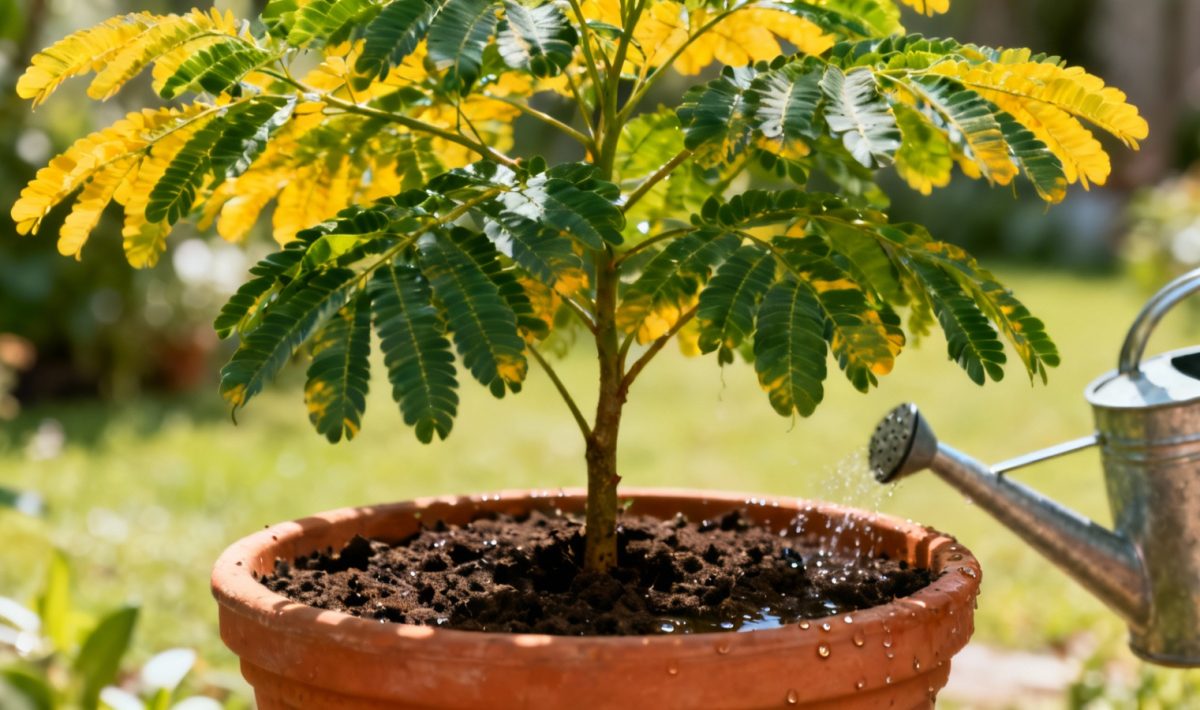
Understanding your Persian silk tree’s water needs
The Persian silk tree, also known as Albizia julibrissin, is quite forgiving when it comes to watering once established. However, getting the frequency right from the start is crucial for healthy growth. This beautiful flowering tree has specific water requirements that change throughout its life cycle, and understanding these patterns will help you provide the best care possible.
Most gardeners make the mistake of either overwatering or underwatering their Persian silk trees. The truth is, these trees are naturally drought-resistant once their root system develops properly. During the first year after planting, you’ll need to water more frequently to help establish strong roots, but mature trees require minimal intervention.
The key lies in understanding your soil type and local climate conditions. Clay soil holds moisture longer than sandy soil, which means you’ll need to adjust your watering schedule accordingly. Similarly, trees planted in full sun will need more water than those in partial shade areas.
Seasonal watering schedule for optimal growth
Spring and summer care
During the growing season from April through September, your Persian silk tree will be most active and require consistent moisture. For newly planted trees, aim to water once or twice per week, providing deep soakings rather than frequent shallow waterings. This approach encourages the roots to grow deeper into the soil, creating a more resilient tree.
The amount of water needed depends on several factors. A good rule of thumb is to provide about 30-40 liters immediately after planting, then adjust based on weather conditions. During hot summer months, check the soil moisture by inserting your finger about 2 inches deep. If the soil feels dry at this depth, it’s time to water.
Just as you would carefully monitor watering tips for apple trees for their specific needs, Persian silk trees benefit from consistent attention during their establishment period. The organic matter in your soil also plays a vital role in water retention and should be considered when planning your watering routine.
Fall and winter adjustments
As temperatures drop and your tree enters dormancy, reduce watering frequency significantly. During fall, you can gradually decrease watering to once every 10-14 days, depending on rainfall. Winter watering should be minimal, as the tree’s water needs are very low during this dormant period.
However, don’t completely ignore your tree during winter months. If you experience an unusually dry winter with little snow or rain, occasional deep watering may be necessary to prevent root damage. Pay attention to the weather patterns and adjust accordingly.
Signs of proper and improper watering
Recognizing healthy hydration
A well-watered Persian silk tree displays vibrant green foliage with full, healthy leaves. The flowers bloom abundantly during summer, and new growth appears regularly throughout the growing season. The soil around the tree should feel moist but not waterlogged when you check it.
Good drainage is essential for tree health. Water should soak into the soil within a reasonable time frame, not pool on the surface for extended periods. If water sits on top of the soil for more than a few hours, you may need to improve drainage or reduce watering frequency.
Warning signs of water stress
Overwatering symptoms include yellowing leaves, particularly those that turn yellow from the bottom up, and potentially soggy soil that doesn’t dry out between waterings. Root rot can develop in consistently wet conditions, which can be fatal to your tree.
Underwatering signs are equally important to recognize. Leaves may appear wilted, dry, or brown around the edges. The tree might drop leaves prematurely or show stunted growth. During flowering season, blooms may be sparse or fail to develop properly when the tree is water-stressed.
Best watering techniques and methods
Deep watering vs. surface watering
The most effective approach for Persian silk trees is deep, infrequent watering rather than frequent shallow applications. This method encourages roots to grow deeper into the soil, making the tree more drought-resistant over time. When you water, do it slowly and thoroughly, allowing the water to penetrate deep into the root zone.
Surface watering, while convenient, often leads to shallow root development. This makes trees more vulnerable during dry periods and can result in weaker overall structure. Focus your watering efforts on the area extending from the trunk to beyond the drip line of the canopy.
Similar to the careful attention required when keeping African lilies hydrated, Persian silk trees benefit from consistent moisture levels rather than dramatic wet-dry cycles. The organic content of your soil will help maintain steady moisture levels between watering sessions.
Irrigation system options
Drip irrigation systems work exceptionally well for Persian silk trees. These systems deliver water directly to the root zone at a slow, steady rate, minimizing water waste and reducing the risk of overwatering. You can set timers to automate the process, which is particularly helpful during busy summer months.
Soaker hoses are another excellent option, especially for larger trees or multiple plantings. These hoses allow water to seep out slowly along their entire length, providing even moisture distribution around the tree’s root system.
For those who prefer manual watering, use a garden hose with a gentle spray attachment. Water slowly around the base of the tree, moving the hose gradually to ensure even coverage. This method gives you complete control over the amount and location of water application.
Factors affecting watering frequency
Soil type considerations
Clay soil holds moisture much longer than sandy or loamy soil types. If your garden has heavy clay soil, you’ll need to water less frequently but more thoroughly when you do water. Sandy soils drain quickly and may require more frequent watering, especially during hot weather.
The organic matter content in your soil significantly impacts water retention. Well-composted soil with plenty of organic material will hold moisture longer and provide better growing conditions for your tree. Consider adding compost or well-rotted manure around your tree annually to improve soil structure.
Testing your soil’s drainage is simple: dig a hole about 12 inches deep and fill it with water. If water remains in the hole after 24 hours, you have poor drainage and should water less frequently. Good drainage means the water disappears within a few hours.
Environmental factors
Wind exposure, humidity levels, and temperature fluctuations all influence how often you should water your Persian silk tree. Trees in windy locations dry out faster than those in protected areas. High temperatures and low humidity increase water loss through the leaves, requiring more frequent watering.
Much like how to water a lemon tree requires attention to local conditions, your Persian silk tree’s needs will vary based on your specific climate. During particularly hot spells, you may need to increase watering frequency temporarily, even for established trees.
Rainfall patterns in your area should guide your watering schedule. During rainy periods, reduce or eliminate supplemental watering. Keep track of natural precipitation and adjust your routine accordingly. A rain gauge can help you monitor how much water your tree receives from natural sources.
Special considerations for different growing conditions
Container-grown trees
Persian silk trees grown in containers have different water requirements than those planted in the ground. Pot-grown trees dry out much faster and need more frequent attention. Check the soil moisture daily during hot weather, and water when the top inch of soil feels dry.
Container size affects watering frequency significantly. Larger pots hold more soil and moisture, requiring less frequent watering than smaller containers. Ensure your container has adequate drainage holes to prevent waterlogging, which can quickly damage roots in confined spaces.
During winter, container-grown trees still need occasional watering, as the soil in pots can dry out even when outdoor temperatures are low. Move containers to protected areas if possible to reduce water loss from wind and extreme temperature swings.
Newly transplanted trees
Recently transplanted Persian silk trees need extra attention during their first growing season. The trauma of transplanting disrupts the root system, making it harder for the tree to absorb water efficiently. Water these trees more frequently, checking soil moisture every few days.
For the first month after transplanting, you might need to water every 2-3 days if natural rainfall is insufficient. Gradually reduce frequency as the tree establishes new roots and shows signs of healthy growth. Monitor new leaf production and overall vigor as indicators of successful establishment.
Understanding the specific needs of different tree species helps create better care routines. For example, research on watering needs of Japanese cherry trees shows that establishment periods require careful attention to moisture levels, similar to what Persian silk trees need during their first year.
Maintaining long-term tree health through proper watering
Consistent, appropriate watering practices during the early years of your Persian silk tree’s life set the foundation for decades of healthy growth. Once established, typically after the second or third year, these trees become remarkably self-sufficient and require minimal supplemental watering except during severe drought conditions.
Regular monitoring remains important even for mature trees. Watch for changes in leaf color, growth patterns, or flowering performance that might indicate water stress. Environmental changes such as nearby construction, changes in drainage patterns, or extreme weather events may require temporary adjustments to your watering routine.
Remember that proper watering is just one aspect of comprehensive tree care. Mulching around the base helps retain soil moisture and regulate temperature, while proper fertilization supports healthy growth. Together, these practices ensure your Persian silk tree thrives for many years, providing beautiful flowers and shade for your garden.
Allan is a lifelong gardening enthusiast who still gets excited when the first seedlings pop up in spring. With a deep love for nature and a hands-in-the-soil approach, he shares practical tips, plant discoveries, and clever tricks picked up over years of digging, planting, and observing. Whether you’re a new gardener or have a shed full of tools, Allan writes like a neighbor who’s always happy to swap cuttings and stories over the fence.
You can find more about Allan’s work on Malt or connect with him on LinkedIn.