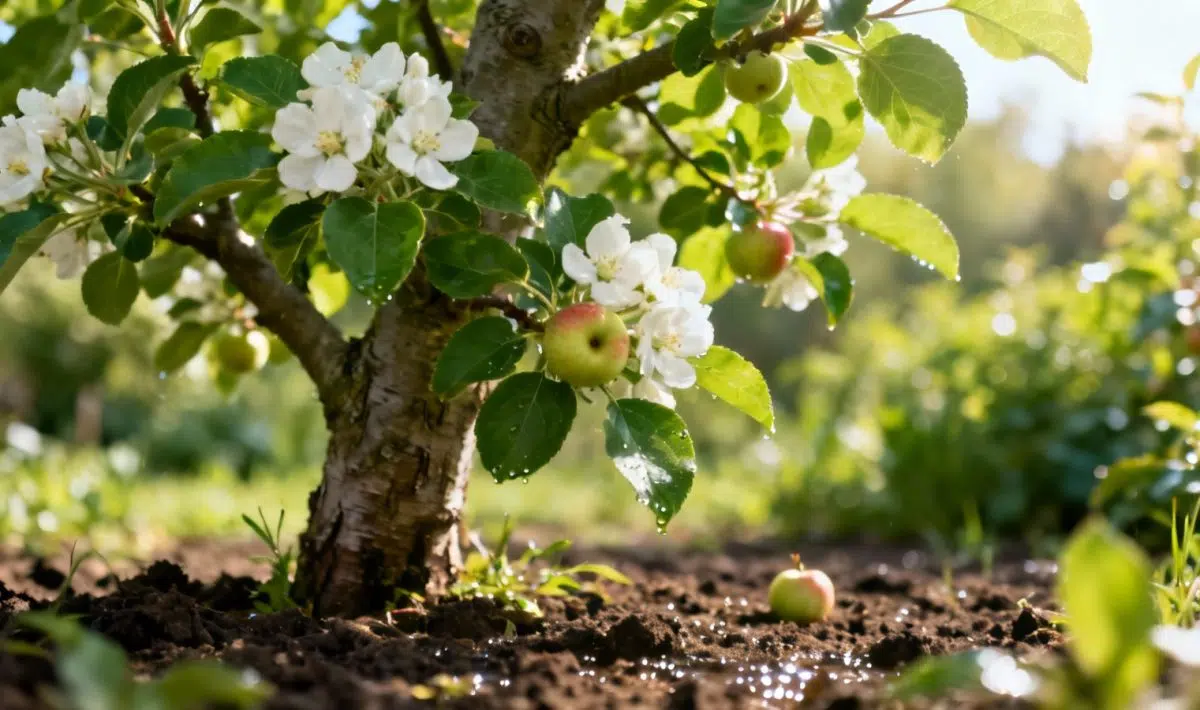
How often should you water your apple tree for healthy growth
Watering your apple tree properly is one of the most crucial aspects of maintaining healthy fruit production. However, determining how often should you water your apple tree depends on several key factors including age, season, soil type, and weather conditions. Understanding these variables will help you establish an effective watering routine that promotes vigorous growth and abundant harvests.
Understanding your apple tree’s water requirements
Apple trees have varying water needs throughout their lifecycle and growing seasons. Young trees require more frequent attention than established ones, while mature trees develop deeper root systems that can access groundwater more effectively. The general recommendation is to provide deep, thorough watering sessions rather than frequent shallow applications.
Most apple trees thrive with approximately 1-2 inches of water per week, including rainfall. This translates to roughly 25-30 liters of water per tree during each watering session for mature trees. For optimal results, you should water your apple tree every two weeks during dry periods, adjusting based on local precipitation and soil moisture levels.
Seasonal watering considerations
Spring marks the beginning of active growth when apple trees emerge from winter dormancy. During this period, consistent moisture helps support new leaf development and root expansion. You can expect to water more frequently as temperatures rise and daylight hours increase.
Summer presents the highest water demands, particularly during fruit development stages. Hot weather increases evaporation rates, making it essential to monitor soil moisture regularly. This is when understanding proper hydration techniques becomes critical, similar to how you might approach watering tips for cherry plum trees which have comparable summer water needs.
Fall watering should gradually decrease as trees prepare for dormancy. However, maintaining adequate soil moisture before winter helps trees survive cold temperatures and reduces stress on root systems. Winter typically requires minimal intervention unless experiencing unusually dry conditions.
Signs your apple tree needs water
Recognizing dehydration symptoms can prevent serious damage to your apple tree. Wilting leaves during hot afternoons, even with adequate morning moisture, often indicates insufficient water reserves. Additionally, premature fruit drop or smaller-than-normal apples frequently signal water stress.
Soil inspection provides reliable indicators of moisture levels. Insert your finger or a soil probe 4-6 inches deep near the tree base. Dry, crumbly soil suggests immediate watering needs, while moist soil indicates sufficient moisture reserves.
Proper watering techniques for apple trees
Effective watering involves more than simply turning on a hose. Deep, slow applications encourage root growth downward rather than spreading near the surface. Apply water slowly around the tree’s drip line, extending outward from the trunk to where branches end.
Avoid watering directly against the trunk, as this can promote fungal diseases and root rot. Instead, create a watering zone that encompasses the entire root system. For mature trees, this typically extends 6-8 feet from the trunk in all directions.
Morning watering proves most effective, allowing trees to absorb moisture before daily heat peaks. This timing also reduces evaporation losses and minimizes disease risks associated with prolonged leaf wetness overnight.
Age-specific watering requirements
Newly planted apple trees require different care than established specimens. Young trees need water every 7-10 days during their first growing season, with approximately 15-20 liters per application. Their shallow root systems make them particularly vulnerable to drought stress.
Trees aged 2-5 years develop intermediate water needs, requiring irrigation every 10-14 days with 20-25 liters per session. These trees are building their root infrastructure while supporting increased foliage and potential fruit production.
Mature trees (6+ years) typically need water every 14-21 days, depending on environmental conditions. Their extensive root systems can access deeper soil moisture, making them more drought-tolerant than younger specimens.
Environmental factors affecting watering frequency
Soil type significantly influences water retention and drainage characteristics. Sandy soils drain quickly and require more frequent watering, while clay soils hold moisture longer but may become waterlogged with excessive irrigation. Understanding your soil composition helps optimize watering schedules.
Climate conditions also play crucial roles in determining irrigation needs. Hot, windy weather increases water loss through transpiration, while cool, humid conditions reduce water requirements. Just as optimal watering for garden lettuce varies with weather patterns, apple trees respond to similar environmental pressures.
Rainfall patterns should always factor into watering decisions. Track weekly precipitation using a rain gauge to determine if supplemental irrigation is necessary. During periods of regular rainfall, reduce or eliminate additional watering to prevent overhydration.
Common watering mistakes to avoid
Overwatering can be just as damaging as underwatering. Constantly saturated soil prevents proper root respiration and creates conditions favorable for root rot and other fungal diseases. Always check soil moisture before adding more water.
Frequent shallow watering encourages surface root development, making trees more susceptible to drought stress. Instead, provide deep, less frequent watering sessions that promote healthy root growth patterns.
Advanced watering strategies
Drip irrigation systems offer efficient water delivery directly to root zones while minimizing evaporation losses. These systems can be programmed to deliver precise amounts of water at optimal intervals, reducing labor and improving consistency.
Mulching around apple trees helps retain soil moisture while suppressing weed competition. Apply 3-4 inches of organic mulch in a circle extending to the drip line, keeping material several inches away from the trunk to prevent pest and disease issues.
Consider implementing water-saving techniques during drought conditions. Similar principles apply when managing water for various plants, including understanding watering requirements for Egyptian starclusters which demonstrate how different species adapt to water limitations.
Troubleshooting water-related problems
Poor fruit quality often relates to inconsistent watering practices. Irregular moisture levels can cause fruit cracking, uneven ripening, or reduced sugar content. Maintaining steady soil moisture throughout the growing season helps ensure consistent fruit development.
Leaf scorch or browning edges typically indicate water stress, particularly during hot weather. Increase watering frequency temporarily while monitoring soil moisture levels to prevent further damage.
Root health depends heavily on proper drainage and moisture balance. If you notice signs of root problems, evaluate both watering frequency and soil drainage characteristics. Sometimes adjusting irrigation practices requires considering techniques used for other plants, such as guidelines for watering common bugle which shares similar soil moisture preferences.
Seasonal water management tips
Spring preparation involves gradually increasing water applications as trees break dormancy. Monitor new growth carefully and adjust watering schedules based on leaf development and weather patterns.
Summer management requires vigilant moisture monitoring, especially during heat waves or extended dry periods. Consider supplemental shade cloth or reflective mulches to reduce water stress during extreme conditions.
Fall care focuses on helping trees prepare for winter while avoiding late-season growth that could be damaged by frost. Reduce watering frequency but maintain adequate soil moisture for winter survival.
By following these comprehensive watering guidelines, your apple trees will develop strong root systems, produce quality fruit, and maintain long-term health. Remember that consistency and observation are key components of successful apple tree care, helping you adjust practices based on your specific growing conditions and tree responses.
Allan is a lifelong gardening enthusiast who still gets excited when the first seedlings pop up in spring. With a deep love for nature and a hands-in-the-soil approach, he shares practical tips, plant discoveries, and clever tricks picked up over years of digging, planting, and observing. Whether you’re a new gardener or have a shed full of tools, Allan writes like a neighbor who’s always happy to swap cuttings and stories over the fence.
You can find more about Allan’s work on Malt or connect with him on LinkedIn.