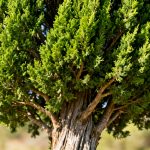
How often should you water your olive tree for optimal growth
Watering your olive tree correctly can make the difference between a thriving plant that produces abundant fruit and one that struggles to survive. Understanding how often should you water your olive tree isn’t just about setting a schedule—it’s about reading your tree’s needs and responding to environmental factors that change throughout the year.
Understanding your olive tree’s water requirements
Olive trees are remarkably drought-tolerant once established, but this doesn’t mean they should be neglected. These Mediterranean natives have adapted to survive in arid conditions, yet they perform best with consistent moisture during their growing season. Young trees need more frequent watering than mature ones, while container-grown olives require different care than those planted in the ground.
The secret lies in finding the sweet spot between too much and too little water. Overwatering can be just as damaging as drought, leading to root rot and poor fruit development. Your olive tree’s roots prefer well-draining soil that allows oxygen to reach them, which is why proper watering technique matters as much as frequency.
Seasonal watering patterns for olive trees
During spring and summer, when your olive tree is actively growing and potentially flowering or fruiting, water requirements increase significantly. In hot climates, you might need to water every 3 days for potted trees, while ground-planted mature trees might only need weekly deep watering. The key is ensuring the water penetrates deeply rather than just wetting the surface.
Fall brings a gradual reduction in watering needs as temperatures drop and growth slows. However, don’t completely stop watering—your tree still needs moisture to prepare for winter and develop its root system. Much like understanding watering guidelines for sycamore trees, each species has unique seasonal requirements that change throughout the year.
Winter watering depends heavily on your climate zone. In Mediterranean climates, occasional winter rains might provide enough moisture, but in drier regions, monthly watering might be necessary. The goal is preventing complete drought stress while avoiding waterlogged soil during the tree’s dormant period.
Recognizing when your olive tree needs water
Rather than following a rigid schedule, learn to read your tree’s signals. Check the soil moisture by inserting your finger 2-3 inches deep near the root zone. If the soil feels dry at this depth, it’s time to water. Olive trees with insufficient water may show slightly wilted leaves during the hottest part of the day, though some midday drooping is normal in extreme heat.
Watch for more serious signs of water stress, including persistent leaf drop, yellowing foliage, or leaves that remain wilted even in cooler evening temperatures. These symptoms indicate your watering frequency needs adjustment. Conversely, constantly soggy soil, fungal growth, or leaves turning yellow from the bottom up suggest overwatering problems.
Age matters: young vs mature olive trees
Young olive trees, especially those under three years old, have smaller, less developed root systems that can’t reach deep water sources. These trees typically need watering 2-3 times per week during growing season, with enough water to thoroughly moisten the root ball and surrounding soil. Container plants need even more frequent attention, sometimes daily watering in hot weather.
Mature trees with established root systems can access deeper soil moisture and require less frequent but deeper watering sessions. A well-established olive tree might only need watering every 10-15 days during active growth, but each session should provide substantial moisture that penetrates to the entire root zone. This encourages deep root development and improves drought tolerance.
For gardeners managing different plant types, the watering approach varies significantly— care tips for Chinese money plants demonstrate how indoor plants have completely different needs than outdoor trees.
Soil preparation and drainage considerations
The foundation of proper olive tree watering starts with soil preparation. Olive trees absolutely require well-draining soil to prevent root rot and other water-related diseases. If your soil retains water or becomes waterlogged after rain, consider raised planting areas or soil amendments to improve drainage.
Adding organic matter like compost helps soil retain appropriate moisture while maintaining drainage. This creates the ideal environment where water stays available to roots without becoming stagnant. Good soil preparation also supports beneficial microorganisms that help your tree absorb nutrients more efficiently.
Container vs ground-planted olive care
Container-grown olive trees need significantly more attention than those planted in the ground. Pots dry out faster, especially in hot weather or windy conditions, requiring daily monitoring during summer months. Choose containers with multiple drainage holes and use high-quality potting mix designed for Mediterranean plants.
The size of your container directly affects watering frequency—larger pots retain moisture longer than smaller ones. A good rule of thumb is watering when the top inch of soil feels dry, but always check deeper into the pot to ensure you’re not overwatering. Ground-planted trees develop extensive root systems that can access moisture from larger soil areas, making them more self-sufficient once established.
When planning your garden’s watering schedule, consider that different crops have varying needs— optimal watering for watermelon growth requires a completely different approach than olive tree maintenance.
Climate impact on watering schedules
Your local climate zone dramatically influences how often you should water your olive tree. Mediterranean climates with mild, wet winters and dry summers allow for natural rainfall during dormant months, reducing your watering responsibilities. In these regions, supplemental summer watering becomes the primary concern.
Desert and arid climates require more consistent intervention, with careful attention to extremely hot periods when even drought-tolerant trees struggle. Humid climates present different challenges, where excess moisture and poor air circulation can create fungal problems even with appropriate watering schedules.
Understanding your microclimate helps fine-tune your approach. Trees planted near buildings, walls, or in exposed locations may need different care than those in more protected spots. Wind, sun exposure, and reflected heat all influence how quickly soil moisture evaporates and how much stress your tree experiences.
Fertilizer and water relationship
The timing and frequency of fertilizer application should align with your watering schedule for maximum effectiveness. Olive trees benefit from balanced nutrition, particularly nitrogen for leaf growth, phosphorus for root development, and potassium for fruit production. These nutrients require adequate moisture to reach the root zone and become available to your tree.
Apply fertilizer before watering sessions to help dissolve and distribute nutrients throughout the soil. Slow-release granular fertilizers work well with deep, infrequent watering schedules, while liquid fertilizers can be applied with regular watering for faster uptake. Avoid fertilizing stressed or drought-stressed trees until their water needs are met.
Tree care principles apply across species, though techniques vary— healthy growth of smoketrees requires similar attention to environmental factors while accounting for species-specific needs.
Troubleshooting common watering problems
Overwatering symptoms include yellowing leaves, soft or mushy roots visible at the soil surface, and persistent fungal growth around the base of your tree. If you notice these signs, immediately reduce watering frequency and improve soil drainage. Allow the soil to dry out between watering sessions and consider aerating compacted soil around the root zone.
Underwatering creates different but equally serious problems. Leaves may become dull, develop brown edges, or drop prematurely. Fruit development suffers, with olives remaining small or dropping before maturity. Recovery requires gradual increases in watering frequency rather than sudden deep soaking, which can shock stressed roots.
Salt buildup from hard water or over-fertilization can interfere with your tree’s ability to absorb moisture effectively. Flush the soil occasionally with plenty of clean water to remove accumulated salts, especially important for container plants where salts have nowhere to go.
Many gardeners find that understanding proper watering extends to all their plants— watering tips for wintercreeper plants demonstrate how each species benefits from attentive, informed care.
Creating your personalized watering schedule
Developing the right watering routine for your olive tree requires observing your specific conditions and adjusting accordingly. Start with general guidelines—young trees every 2-3 days, mature trees weekly during growing season—then modify based on your tree’s response, local weather patterns, and soil conditions.
Keep notes about your watering schedule, rainfall, temperature fluctuations, and your tree’s appearance. This information helps you recognize patterns and make informed adjustments throughout different seasons and years. Remember that established trees become increasingly drought tolerant, allowing you to extend intervals between watering sessions as they mature.
Success with olive trees comes from understanding that these remarkable plants reward consistent, thoughtful care rather than neglect or excessive attention. By monitoring soil moisture, respecting seasonal changes, and adjusting for your unique growing conditions, you’ll develop the perfect watering rhythm that keeps your olive tree healthy and productive for years to come.
Allan is a lifelong gardening enthusiast who still gets excited when the first seedlings pop up in spring. With a deep love for nature and a hands-in-the-soil approach, he shares practical tips, plant discoveries, and clever tricks picked up over years of digging, planting, and observing. Whether you’re a new gardener or have a shed full of tools, Allan writes like a neighbor who’s always happy to swap cuttings and stories over the fence.
You can find more about Allan’s work on Malt or connect with him on LinkedIn.