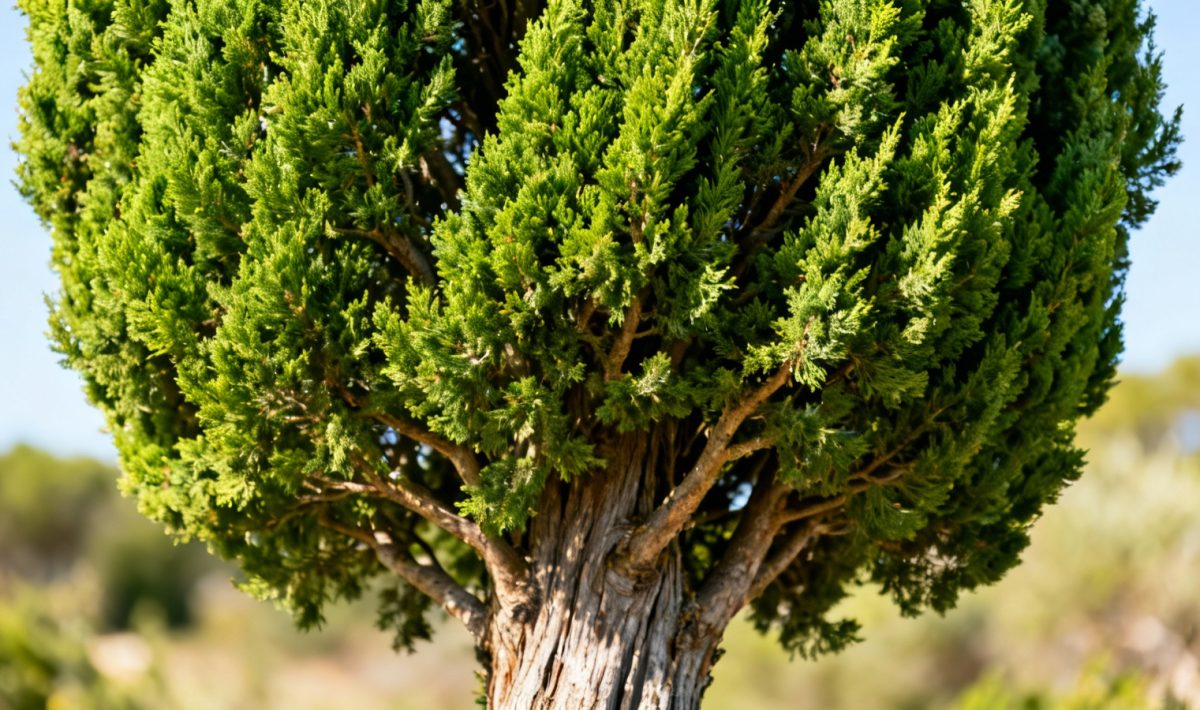
Understanding your mediterranean cypress watering needs
Mediterranean cypress trees are naturally drought-tolerant plants, but understanding how often should you water your mediterranean cypress makes all the difference between a thriving tree and a struggling one. These magnificent evergreens, also known as Italian cypress, have adapted to survive with minimal water, yet proper irrigation during their establishment phase is crucial for long-term success.
The key lies in recognizing that watering frequency changes dramatically as your cypress matures. A newly planted tree will require consistent moisture for the first few years, while an established mediterranean cypress can largely depend on natural rainfall. This adaptability makes them perfect for low-maintenance gardens, but you’ll need to understand their specific needs to get the best results.
Seasonal watering schedule for mediterranean cypress
Spring and autumn establishment period
During the first months after planting, your mediterranean cypress needs regular attention to develop a strong root system. The soil should remain consistently moist but never waterlogged, as these trees are particularly sensitive to standing water. One deep watering per week is typically sufficient if natural rainfall is inadequate.
Spring is an excellent time for planting because the moderate temperatures allow your tree to establish itself before facing summer heat. Monitor the soil moisture by inserting your finger about two inches deep – if it feels dry, it’s time to water. Remember that overwatering can be just as harmful as underwatering for this mediterranean species.
Summer watering requirements
Summer months require the most attention, especially for young trees under three years old. The combination of high temperatures and increased evaporation means you’ll need to water more frequently. Plan for one thorough watering session per week during dry spells, providing enough water to penetrate deeply into the root zone.
For mature trees, summer watering becomes much simpler. These established giants can survive extended dry periods using their deep root systems. Only water during prolonged drought conditions when you notice the foliage beginning to lose its vibrant color or showing signs of stress.
Winter water management
Winter dramatically reduces watering needs for mediterranean cypress trees. Natural rainfall typically provides sufficient moisture during these cooler months. However, if you’re experiencing an unusually dry winter, occasional deep watering may be necessary to maintain tree health.
The reduced daylight and cooler temperatures slow down the tree’s metabolic processes, meaning it requires significantly less water. Overwatering during winter can actually harm your cypress by encouraging root rot in the cooler, slower-drying soil conditions.
Factors influencing watering frequency
Soil type and drainage
Your soil composition plays a crucial role in determining watering frequency. Mediterranean cypress trees thrive in well-draining soil and struggle in heavy clay that retains moisture. Sandy soils drain quickly and may require more frequent watering, while clay soils hold water longer and need less frequent irrigation.
Test your soil drainage by digging a hole about twelve inches deep and filling it with water. If the water doesn’t drain within a few hours, you may need to improve drainage before planting. Poor drainage can lead to root problems that no amount of careful watering can fix.
Tree age and size considerations
Young mediterranean cypress trees have shallow root systems that require regular moisture to establish properly. During their first year, these trees are particularly vulnerable to drought stress and will need weekly watering during dry periods. The calculated approach is to provide approximately one inch of water per week, either from rainfall or irrigation.
As your tree matures, its extensive root system can access water from deeper soil layers. A three-year-old cypress typically requires minimal supplemental watering, while a fully established tree may only need assistance during severe drought conditions. This transition from high maintenance to low maintenance is one of the most appealing aspects of growing mediterranean cypress.
Effective watering methods and techniques
Deep watering vs frequent shallow watering
The most effective approach for watering mediterranean cypress is deep, infrequent watering rather than frequent light sprinklings. This method encourages the development of deep roots that will serve the tree well during dry periods. When you do water, ensure the moisture penetrates at least twelve inches into the soil around the root zone.
Using a soaker hose or drip irrigation system can provide consistent, slow water delivery that penetrates deeply without runoff. These methods are particularly beneficial for newly planted trees and can help establish strong root systems more effectively than overhead sprinklers.
Timing and water application tips
The best time for watering is early morning, which allows the plant to absorb moisture before the heat of the day increases evaporation rates. Evening watering can work but may increase the risk of fungal problems in humid climates. Avoid watering during the hottest part of the day when much of the water will simply evaporate before reaching the roots.
When applying water, focus on the area around the base of the tree extending to the drip line. For those interested in understanding plant care requirements more broadly, learning about sunlight requirements for dieffenbachia plants can provide valuable insights into how different species have varying environmental needs, much like how cypress trees have specific watering requirements.
Recognizing watering problems and solutions
Signs of overwatering
Overwatering is often more dangerous than underwatering for mediterranean cypress trees. Watch for yellowing needles, especially on lower branches, which can indicate root problems from excessive moisture. The tree may also develop a generally unhealthy appearance with sparse foliage and reduced growth.
If you suspect overwatering, immediately reduce irrigation frequency and ensure proper drainage around the tree. Severely overwatered trees may require professional assessment to determine if root rot has developed and what corrective measures are needed.
Identifying drought stress
Drought-stressed mediterranean cypress trees typically show browning or bronzing of needles, starting with older growth. The tree may also exhibit reduced growth and a general loss of vigor. However, these symptoms can also indicate other problems, so consider recent weather conditions and your watering history before diagnosing drought stress.
When addressing drought stress, provide deep, thorough watering and consider adding mulch around the base to help retain soil moisture. Recovery may take several weeks or even months, depending on the severity of the stress and the tree’s overall health.
Creating a sustainable watering routine
Developing a successful watering routine for your mediterranean cypress involves understanding your local climate, soil conditions, and the specific needs of your tree. Start with a weekly assessment during the growing season, checking soil moisture and observing the tree’s overall health and appearance.
Remember that these remarkable trees evolved in mediterranean climates with hot, dry summers and mild, wet winters. By mimicking these natural conditions as much as possible, you’ll encourage strong, healthy growth while minimizing water usage. With proper establishment care, your mediterranean cypress will become an increasingly low-maintenance addition to your landscape, requiring minimal intervention while providing year-round beauty and structure.
The volume of water needed decreases significantly as your tree matures, making it an excellent choice for water-wise gardening. By following these guidelines and adapting them to your specific conditions, you’ll enjoy a thriving mediterranean cypress that enhances your landscape for decades to come.
Allan is a lifelong gardening enthusiast who still gets excited when the first seedlings pop up in spring. With a deep love for nature and a hands-in-the-soil approach, he shares practical tips, plant discoveries, and clever tricks picked up over years of digging, planting, and observing. Whether you’re a new gardener or have a shed full of tools, Allan writes like a neighbor who’s always happy to swap cuttings and stories over the fence.
You can find more about Allan’s work on Malt or connect with him on LinkedIn.