Peppermint – Mentha piperita: care, characteristics, culture, propagation
Today I’m excited to share everything you need to know about growing and caring for peppermint – Mentha piperita. This aromatic perennial herb is one of the most rewarding plants you can cultivate at home, offering both culinary delights and natural wellness benefits.
Peppermint is actually a natural hybrid that emerged from a spontaneous cross between water mint (Mentha aquatica) and spearmint (Mentha spicata). What makes this plant so special is its rich menthol content, which gives it that distinctive cooling sensation we all love. The beauty of menthe poivrée lies in its versatility – you can use it fresh in cooking, dry it for teas, or even extract its essential oils.
Understanding peppermint characteristics and varieties
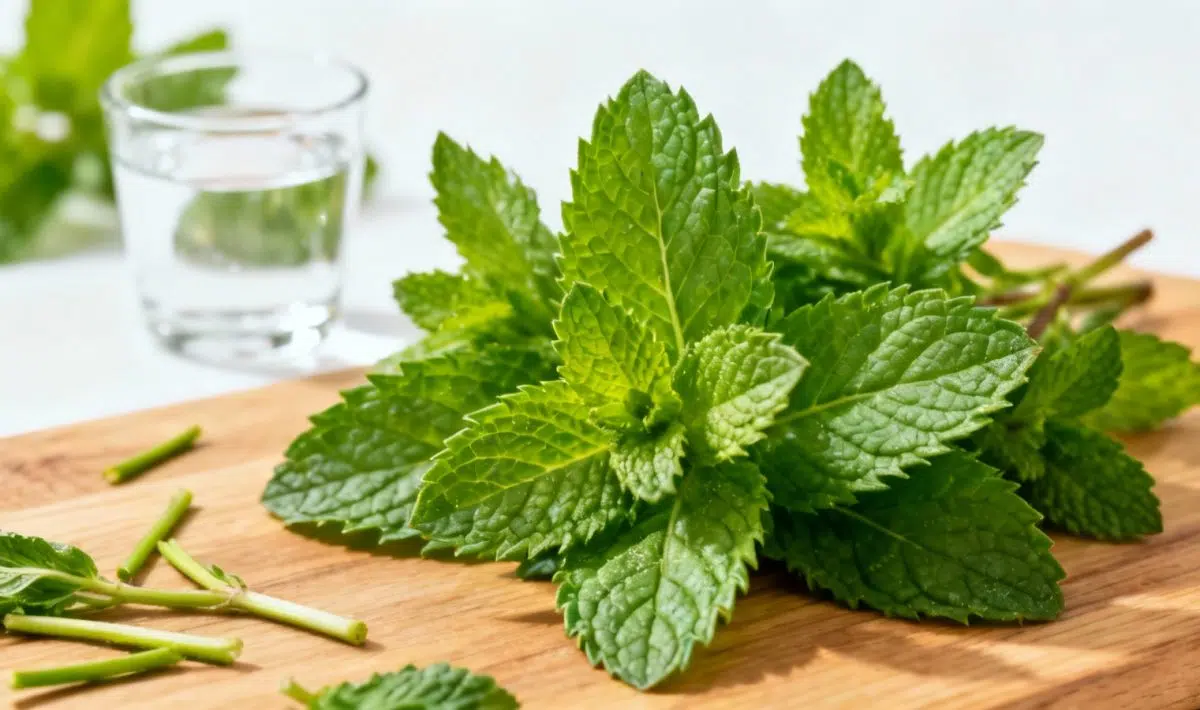
Mentha piperita belongs to the mint family (Lamiaceae) and displays some fascinating botanical features. The plant typically reaches heights between 10 to 75 cm, though in optimal conditions it can grow up to one meter tall. You’ll notice its distinctive square stems, often tinged with purple coloring, and its lance-shaped, dark green feuilles with serrated edges.
The floraison occurs during summer months, from July through September, producing cylindrical flower spikes with delicate pink to mauve blossoms. These fleurs not only add visual appeal but also attract beneficial pollinators to your jardin. The feuillage remains aromatic throughout the growing season, making it perfect for regular harvesting.
When exploring options for your mint collection, you’ll find several cultivars of Mentha piperita. Each variety offers slightly different flavor profiles and growing characteristics. Some popular choices include chocolate mint, which adds a subtle cocoa note, and citrus mint varieties that bring bright, zesty undertones to your culinary creations.
Optimal growing conditions and soil requirements
Creating the right environment for your menthe starts with understanding its soil preferences. Peppermint thrives in rich, moist, well-draining terre with a pH between 6.0 and 7.0. The plant appreciates consistent moisture but doesn’t tolerate waterlogged conditions, so proper drainage is essential for healthy croissance.
For soleil exposure, peppermint offers great flexibility. While it performs well in full sun, it also tolerates partial ombre beautifully, making it an excellent choix for gardens with varying light conditions. In fact, some gardeners prefer growing their menthe plants in slightly shaded areas during hot summers to prevent leaf scorching.
Temperature-wise, this hardy vivace can withstand frost and cold winters, typically surviving in USDA zones 3-11. The rhizomatous root system allows the plante to regenerate each spring, even after harsh winter conditions. This resilience makes peppermint an excellent long-term addition to any herb collection.
Container culture considerations
Growing peppermint in a pot offers excellent control over its spreading nature. Choose a container at least 12 inches wide and deep, ensuring adequate drainage holes. This method also allows you to bring your plants indoors during extreme weather, extending your harvest season considerably.
When selecting containers, consider that menthe has vigorous spreading habits through its rhizome system. A larger pot not only accommodates this growth but also reduces the frequency of repotting. Place your containerized plants where they’ll receive morning soleil and afternoon shade for optimal results.
Propagation techniques and cultivation methods
Starting your peppermint journey offers several exciting options. While you can grow menthe from graines, most gardeners prefer vegetative propagation methods for faster, more reliable results. The plant’s natural tendency to spread through rhizomes makes division and cutting propagation particularly successful.
For cutting propagation, take 4-6 inch stem cuttings from healthy parent plants during the growing season. Remove lower feuilles and place the cuttings in eau until roots develop, typically within 1-2 weeks. Once roots reach about an inch long, transplant them into your prepared sol or containers.
Division represents another excellent propagation method, especially for established plants. In early spring or fall, carefully dig up mature plantes and separate the rhizomes. Each division should include both roots and shoots to ensure successful establishment. This technique also helps control the spread of your menthe patch while creating new plants for expansion or sharing.
Much like other perennial herbs, proper timing enhances propagation success. Just as you might consider timing for care and propagation of cherry plum trees, peppermint responds best to propagation during its active growing phases in spring and early summer.
Seed starting considerations
If you choose to start from graines, remember that Mentha piperita seeds may not produce plants identical to the parent due to its hybrid nature. Start semis indoors 6-8 weeks before the last frost date. Sow seeds on the surface of seed-starting mix, as they need light to germinate.
Maintain consistent moisture and temperatures around 65-70°F for optimal germination. Once seedlings develop their second set of true feuilles, they’re ready for transplanting. This method takes longer than vegetative propagation but can be rewarding for experimental gardeners.
Daily care and maintenance practices
Maintaining healthy peppermint plants requires attention to watering, feeding, and pruning practices. Water your menthe regularly, keeping the sol consistently moist but not soggy. During hot summer periods, daily watering may be necessary, especially for container-grown plants.
Fertilization needs remain modest for most mint varieties. A balanced, organic fertilizer applied monthly during the growing season supports vigorous feuillage production. Avoid over-fertilizing, as this can reduce the concentration of essential oils that give your menthe its distinctive aroma and flavor.
Regular harvesting actually benefits the plante by encouraging bushy croissance and preventing flowering, which can reduce leaf quality. Pinch or cut stems just above leaf nodes to promote branching. You can begin harvesting once plants reach 6 inches tall, taking no more than one-third of the plante at a time.
Managing spread and containment
One important aspect of menthe culture involves managing its enthusiastic spreading habit. Without containment, peppermint can quickly take over garden beds through its aggressive rhizome system. Consider installing underground barriers or growing in containers to control expansion.
Regular division every 2-3 years not only provides new plants but also revitalizes older specimens. This practice prevents overcrowding and maintains the vigor of your menthe patch. Remove any weak or diseased growth during division to ensure healthy, productive plants.
Harvesting and utilizing your peppermint crop
The récolte window for peppermint extends throughout the growing season, with peak flavor occurring just before floraison. Early morning harvesting, after dew evaporates but before afternoon heat, captures the highest concentration of essential oils in the feuilles.
Fresh menthe leaves enhance countless culinary applications, from refreshing beverages and salads to meat dishes and desserts. The high menthol content makes peppermint particularly valuable for teas, natural remedies, and homemade cosmetic produit. You can also create your own sirop by steeping fresh leaves in simple syrup.
For preservation, air-dry harvested stems in small bundles hung in a well-ventilated area away from direct sunlight. Properly dried menthe retains much of its flavor and propriétés for up to one year when stored in airtight containers. Freezing fresh leaves in ice cube trays with water creates convenient portions for future use.
The versatility of peppermint extends beyond the kitchen into natural wellness applications. Many gardeners appreciate having this aromatic herb readily available for homemade teas, natural pest deterrents, and aromatherapy purposes. The huile essentielle content makes it valuable for various household uses, from freshening rooms to soothing minor skin irritations.
With proper care and attention, your Mentha piperita plants will provide years of aromatic harvests while adding beauty and beneficial properties to your garden space. Whether you’re a beginning gardener or an experienced cultivator, peppermint offers reliable performance and endless possibilities for creative use.
Allan is a lifelong gardening enthusiast who still gets excited when the first seedlings pop up in spring. With a deep love for nature and a hands-in-the-soil approach, he shares practical tips, plant discoveries, and clever tricks picked up over years of digging, planting, and observing. Whether you’re a new gardener or have a shed full of tools, Allan writes like a neighbor who’s always happy to swap cuttings and stories over the fence.
You can find more about Allan’s work on Malt or connect with him on LinkedIn.