This Easy Herb Kept Ants Out Of My Garden All Summer Here’s How To Grow It
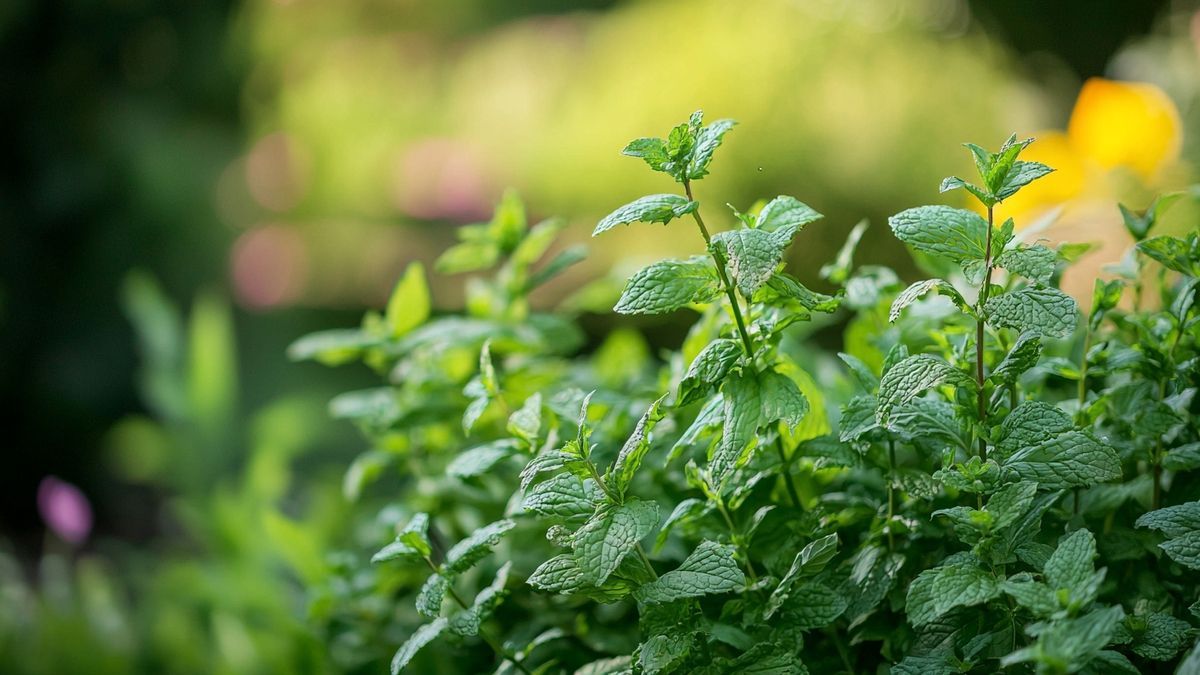
Gardening season is in full swing, and many enthusiasts are seeking natural solutions to keep pests at bay without resorting to harmful chemicals. One particular nuisance that can wreak havoc on garden beds and patios is ants. While these industrious insects play important roles in ecosystems, their presence in vegetable gardens and around prized flowers can become problematic. After testing numerous natural remedies, I discovered that one common herb stands out as an exceptional ant repellent: peppermint. This aromatic plant not only adds a refreshing scent to your garden but also creates an invisible barrier that ants refuse to cross. The powerful menthol compounds in peppermint disrupt ants’ sensory receptors, effectively driving them away without harming beneficial insects or contaminating your soil with chemicals.
Peppermint has emerged as a powerful solution for gardeners seeking to manage ant populations naturally. The effectiveness of peppermint against ants isn’t just garden folklore – it’s backed by the plant’s natural chemical properties. The strong menthol scent that makes peppermint so recognizable to humans actually disrupts ants’ sensory receptors, creating an environment they find intolerable.
Unlike chemical pesticides that can harm beneficial insects and potentially contaminate your garden produce, peppermint offers a targeted approach. When ants encounter peppermint oil or the plant itself, they become disoriented as the powerful aroma interferes with the chemical trails they use for navigation and communication. This sensory disruption effectively creates an invisible barrier that ants refuse to cross, protecting your garden beds and pathways.
How peppermint compares to other natural solutions
While various natural repellents exist, peppermint stands out for several reasons. Unlike cinnamon or cayenne pepper, which must be frequently reapplied after rain or watering, established peppermint plants provide continuous protection throughout the growing season. The plant actively produces the essential oils that repel ants, ensuring a constant protective presence in your garden.
Compared to soap sprays that kill ants on contact, peppermint works primarily as a deterrent, allowing ants to relocate rather than creating potentially harmful population crashes in your local ecosystem. This balanced approach maintains the beneficial aspects of having ants in the broader environment while keeping them out of sensitive garden areas.
Growing peppermint in your garden: the basics
Peppermint (Mentha piperita) is one of the easiest herbs to grow, making it an ideal solution for gardeners of all skill levels. This hardy perennial thrives in USDA hardiness zones 3-11, meaning most gardeners across North America can successfully cultivate it. With minimal care, a small peppermint plant can quickly establish itself and provide years of ant-repelling benefits.
[smartquiz]
Selecting the right location for your peppermint
When choosing where to plant peppermint, consider both its growing requirements and strategic placement for ant control. Peppermint prefers partial shade but will tolerate full sun in cooler climates. The plant thrives in moist, well-draining soil with a slightly acidic to neutral pH.
For maximum ant-repelling effectiveness, consider planting peppermint:
Around the perimeter of vegetable gardens
Near patio edges where ants frequently enter
Along pathways leading to your home
Interspersed between susceptible plants that ants are attracted to
Remember that peppermint spreads vigorously through underground runners. To prevent it from taking over your garden, consider planting in containers or installing root barriers around in-ground plantings. This containment strategy allows you to enjoy peppermint’s benefits without creating a new garden management challenge.
Planting and propagation methods
Establishing peppermint in your garden can be accomplished through several methods, each with its advantages. The easiest approach is purchasing established plants from a garden center, which provides immediate ant-repelling benefits. These plants can be directly transplanted into your garden following proper spacing guidelines.
For a more economical approach, peppermint readily propagates from cuttings. Simply snip a 4-6 inch stem just below a leaf node, remove the lower leaves, and place in water until roots develop. Once a healthy root system forms (typically within 2-3 weeks), the cutting can be transplanted to soil.
Seeds represent another option, though they require more patience. Plant seeds just below the soil surface in early spring, keeping the soil consistently moist until germination occurs. Thin seedlings to allow adequate space for mature plants, which can reach 1-3 feet in height and spread considerably through their root system.
Maintaining your peppermint for maximum effectiveness
To ensure your peppermint plants remain vigorous and produce the highest levels of ant-repelling essential oils, proper maintenance is essential. With the right care, peppermint will not only thrive but also provide multiple harvests throughout the growing season.
Watering and fertilization requirements
Peppermint prefers consistently moist soil but won’t tolerate waterlogged conditions. During typical growing seasons, provide approximately 1-2 inches of water per week, adjusting based on rainfall and temperature. A moisture-retaining mulch around plants helps maintain ideal soil conditions while suppressing weeds.
Regarding fertilization, peppermint doesn’t require heavy feeding. An application of balanced organic fertilizer in early spring provides sufficient nutrients for the entire growing season. Excessive fertilization actually reduces the concentration of essential oils in the leaves, potentially diminishing the plant’s effectiveness against ants.
Pruning and harvesting techniques
Regular harvesting not only provides leaves for ant-repellent preparations but also promotes bushier growth and prevents flowering, which can reduce oil production. Harvest peppermint by cutting stems about 1 inch above the soil line, ideally in the morning when oil concentration is highest.
For the most potent ant-repelling properties, harvest just before the plant flowers. At this stage, the leaves contain the highest concentration of menthol and other essential oils. After harvesting, peppermint quickly regrows, often allowing for 2-3 complete harvests during a single growing season.
Creating effective ant repellents from homegrown peppermint
Once your peppermint is established, you can harness its ant-repelling properties in several ways. Each method offers different advantages depending on your specific situation and the areas you need to protect.
Peppermint spray solution
The most versatile application method involves creating a peppermint spray. This solution can be applied precisely where needed, making it ideal for targeted ant control. To create an effective spray, combine 10-15 drops of peppermint essential oil (extracted from your plants or purchased) with a cup of water in a spray bottle. For enhanced effectiveness, add a drop of mild dish soap, which helps the solution adhere to surfaces.
Apply this spray to areas where ants frequently travel, including:
Garden bed perimeters
Foundation edges
Window sills
Door thresholds
Plant stems and leaves where ants are active
For continuous protection, reapply every 3-4 days or after rainfall. The solution won’t harm plants but provides a powerful deterrent to ant activity.
Fresh peppermint placement strategies
Beyond sprays, strategic placement of fresh peppermint cuttings offers another effective approach. Simply harvest stems and place them in key locations around your garden and home. The fresh leaves release volatile oils that create an ant-repelling perimeter.
This method works particularly well for:
Protecting potted plants by laying stems around the pot rim
Creating protective barriers around vulnerable seedlings
Defending outdoor eating areas during summer gatherings
Protecting compost bins where ants might otherwise congregate
Replace the cuttings every few days as they dry out and lose potency. This approach requires no preparation and provides immediate results.
Beyond ant control: additional benefits of growing peppermint
While peppermint’s effectiveness against ants makes it valuable in any garden, this versatile herb offers numerous additional benefits that enhance its appeal. Growing peppermint creates a multifunctional garden element that addresses several common gardening challenges.
Culinary and medicinal applications
Peppermint’s bright, refreshing flavor makes it a prized culinary herb. Fresh leaves can be used to make invigorating teas, infused waters, and creative cocktails. The herb also complements fruit salads, chocolate desserts, and Mediterranean dishes.
From a medicinal perspective, peppermint has been used for centuries to soothe digestive discomfort, relieve headaches, and clear sinus congestion. Having fresh peppermint readily available allows gardeners to harvest as needed for these traditional remedies.
Companion planting advantages
Beyond repelling ants, peppermint’s strong aroma deters numerous other garden pests, including aphids, flea beetles, and certain caterpillars. When strategically planted among vulnerable crops, peppermint can reduce pest pressure throughout your garden.
Additionally, the plant’s abundant flowers attract beneficial pollinators and predatory insects, enhancing overall garden biodiversity. Bees, butterflies, and hoverflies are particularly drawn to peppermint blooms, improving pollination rates for nearby fruiting plants.
Potential challenges and solutions when growing peppermint
While peppermint offers remarkable benefits, responsible gardeners should be aware of potential challenges. Understanding these issues in advance allows for proactive management strategies.
Containing aggressive growth
Peppermint’s vigorous spreading habit, while beneficial for establishing ant barriers, requires management to prevent it from overwhelming other plants. To enjoy peppermint’s benefits without creating garden maintenance headaches:
Plant in containers or raised beds with barriers
Install deep edging (8-10 inches) around in-ground plantings
Remove spreading runners regularly during the growing season
Consider dedicating a separate area specifically for mint varieties
Harvest frequently to control plant size and encourage bushy growth
With these containment strategies, you can harness peppermint’s ant-repelling properties while maintaining garden harmony.
The discovery that peppermint effectively deters ants has transformed my gardening experience, allowing for peaceful cultivation without chemical interventions. By incorporating this aromatic herb into your garden design, you too can enjoy an ant-free growing season while simultaneously gaining access to a versatile culinary and medicinal plant. The ease of growing peppermint, combined with its multiple benefits, makes it an ideal addition to any garden setting. Whether you’re an experienced gardener or just starting your journey, peppermint offers a sustainable, effective solution to common ant problems while enhancing your garden’s overall resilience and productivity.
Allan is a lifelong gardening enthusiast who still gets excited when the first seedlings pop up in spring. With a deep love for nature and a hands-in-the-soil approach, he shares practical tips, plant discoveries, and clever tricks picked up over years of digging, planting, and observing. Whether you’re a new gardener or have a shed full of tools, Allan writes like a neighbor who’s always happy to swap cuttings and stories over the fence.
You can find more about Allan’s work on Malt or connect with him on LinkedIn.
16 Replies to “This Easy Herb Kept Ants Out Of My Garden All Summer Here’s How To Grow It”
How effective is this herb in dealing with other pests, like aphids or caterpillars?
Wow, this sounds like a must-try! i’ve been battling ants for ages. can’t wait to grow this magical herb and finally enjoy an ant-free garden. thanks for the tip! 🌿
Interesting idea, i’ll try it. wonder how it’ll hold up in different climates though. good luck everyone!
Nice tip!
I might give this a try. my garden gets invaded by ants every year and i’m tired of using chemicals. wondering if it’ll be as effective in different climates though. has anyone else tried it elsewhere? curious to know the results.
What herb did you use to keep the ants away, and are there specific growing conditions it needs?
Last spring, i planted mint around my garden’s edges. the ants vanished, and as a bonus, i always had fresh leaves for mojitos! definitely doing this again next year.
Interesting, i’ll have to give this herb a try. i haven’t had much luck with ants in my garden, but i’m open to trying something new if it’s not too much work. what’s your experience been like?
Wow, didn’t know this herb could keep ants away! can’t wait to try growing it myself and enjoy an ant-free garden. thanks for the awesome tip! 🌿😊
I tried rosemary last year, and it really worked! no ants, and plus my cooking was superb with fresh herbs always ready to pick from the garden. give it a go!
I tried peppermint last year, and it worked wonders in keeping ants away from my patio. planting it near vegetable beds was a bonus for fresh garnish too!
What herb is the article talking about? sounds like a great tip!
Tried using mint in my veggie patch, worked wonders keeping ants away. plus, the scent is fab! had a surprisingly easy time growing it too. give it a go! 😊
I tried planting mint in my garden, and it worked wonders against ants. not only did it keep pests at bay, but the fresh scent was a nice bonus whenever i walked by.
Awesome tip!
Wow, i totally need to try this! ants are always invading my garden. love finding natural solutions like these. thanks for sharing your success! 🌿👌





How effective is this herb in dealing with other pests, like aphids or caterpillars?
Wow, this sounds like a must-try! i’ve been battling ants for ages. can’t wait to grow this magical herb and finally enjoy an ant-free garden. thanks for the tip! 🌿
Interesting idea, i’ll try it. wonder how it’ll hold up in different climates though. good luck everyone!
Nice tip!
I might give this a try. my garden gets invaded by ants every year and i’m tired of using chemicals. wondering if it’ll be as effective in different climates though. has anyone else tried it elsewhere? curious to know the results.
What herb did you use to keep the ants away, and are there specific growing conditions it needs?
Last spring, i planted mint around my garden’s edges. the ants vanished, and as a bonus, i always had fresh leaves for mojitos! definitely doing this again next year.
Interesting, i’ll have to give this herb a try. i haven’t had much luck with ants in my garden, but i’m open to trying something new if it’s not too much work. what’s your experience been like?
Wow, didn’t know this herb could keep ants away! can’t wait to try growing it myself and enjoy an ant-free garden. thanks for the awesome tip! 🌿😊
I tried rosemary last year, and it really worked! no ants, and plus my cooking was superb with fresh herbs always ready to pick from the garden. give it a go!
I tried peppermint last year, and it worked wonders in keeping ants away from my patio. planting it near vegetable beds was a bonus for fresh garnish too!
What herb is the article talking about? sounds like a great tip!
Tried using mint in my veggie patch, worked wonders keeping ants away. plus, the scent is fab! had a surprisingly easy time growing it too. give it a go! 😊
I tried planting mint in my garden, and it worked wonders against ants. not only did it keep pests at bay, but the fresh scent was a nice bonus whenever i walked by.
Awesome tip!
Wow, i totally need to try this! ants are always invading my garden. love finding natural solutions like these. thanks for sharing your success! 🌿👌