
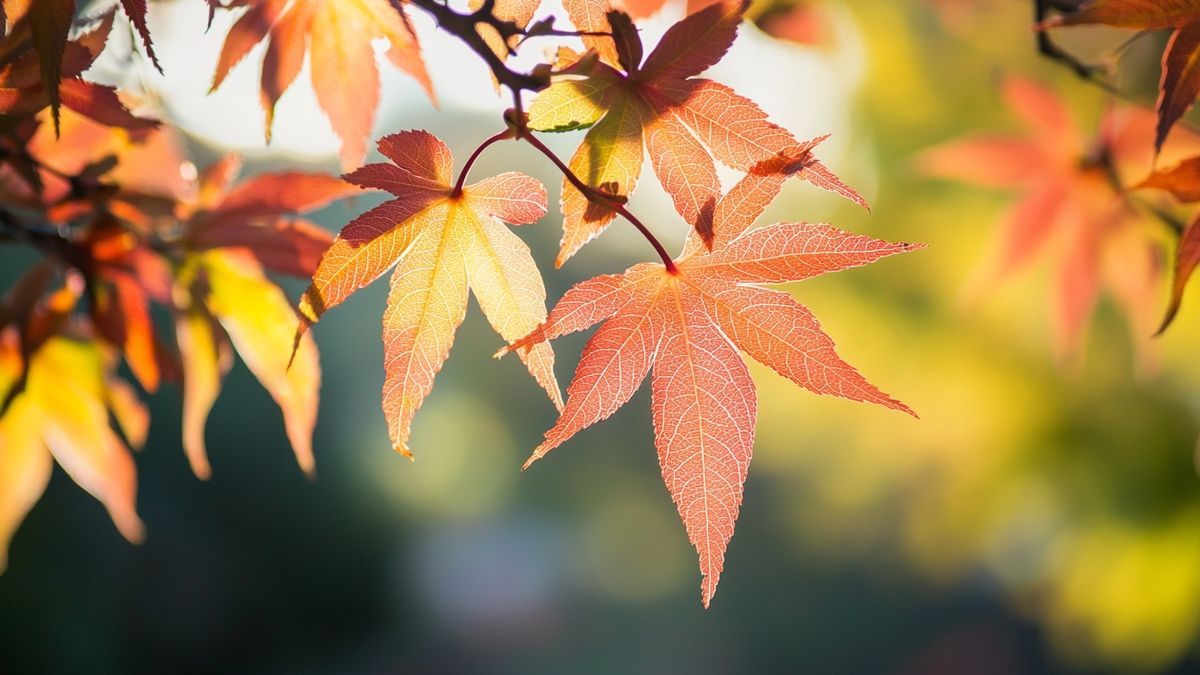
Japanese maples (Acer palmatum) are renowned for their extraordinary foliage and elegant form in gardens worldwide. With their delicate leaves and vibrant seasonal color changes, these ornamental trees have captivated gardeners for centuries. While naturally stunning, certain care practices and soil amendments can significantly enhance their characteristic color display, transforming an already beautiful tree into a truly magical landscape focal point. Recent horticultural studies have revealed specific techniques that can intensify the vivid reds, oranges, yellows, and purples these maples are known for, making them even more spectacular throughout the growing season.
The enchanting color display of Japanese maples isn’t simply a matter of chance but involves complex biological processes that gardeners can influence. Japanese maples contain several pigments that determine their leaf color, with the primary ones being chlorophyll (green), carotenoids (yellow and orange), and anthocyanins (red and purple). During the growing season, chlorophyll typically dominates, but as days shorten and temperatures drop, chlorophyll production decreases, allowing the other pigments to become more visible.
Environmental factors play a crucial role in how these colors develop and change. Temperature fluctuations, sunlight exposure, soil conditions, and moisture levels all affect pigment production. There are over 1,000 cultivars of Japanese maple, each with unique genetic predispositions for color expression that respond differently to these environmental factors. The spectacular variety ‘Seasons of Change’ demonstrates this remarkably, displaying yellows, oranges, pinks, and greens simultaneously, making it one of the most dynamic color-changing varieties available today.
Research from botanical gardens across the country indicates that certain soil amendments and care practices can significantly enhance these natural color-changing processes, intensifying the vibrancy and extending the duration of color displays.
How pigments interact in japanese maple leaves
The relationship between different pigments in Japanese maple leaves creates the fascinating color transitions we observe throughout the year. Chlorophyll masks other pigments during active growth periods, giving leaves their green appearance. As chlorophyll breaks down in fall, carotenoids become visible first, producing yellow and orange hues. Meanwhile, anthocyanins develop actively in response to light and temperature changes, creating the brilliant reds and purples many varieties are prized for.
This process, known as senescence, differs from the color change mechanisms in trees like ginkgoes, which rely primarily on carotenoids for their fall color. Japanese maples, particularly red varieties like ‘Bloodgood,’ produce abundant anthocyanins, which act as both sunscreen and antifreeze for the leaves during transition periods. The timing and intensity of color depend on both genetic factors and environmental conditions, which is why the same tree might display different color intensity from year to year.

Best practices for enhancing maple color
Soil composition plays a fundamental role in Japanese maple color development. These trees generally prefer slightly acidic soil with a pH between 5.5 and 6.5. Adjusting soil pH can have a remarkable effect on color intensity, particularly for red and purple varieties. Applications of elemental sulfur or aluminum sulfate can gradually lower soil pH, enhancing the expression of red pigments in varieties like ‘Bloodgood’ that naturally display purple to burgundy to crimson color transitions throughout the season.
Proper watering techniques also significantly impact color development. Japanese maples require consistent moisture but cannot tolerate waterlogged conditions. During dry periods, deep watering once or twice weekly is preferable to frequent shallow watering. Water stress can trigger premature color change but may ultimately weaken the tree and reduce overall vibrancy. Installing drip irrigation or soaker hoses can help maintain optimal moisture levels without wetting the foliage, which can lead to fungal issues.
Light exposure must be carefully managed for optimal color. While Japanese maples can grow in full sun in cooler climates, most varieties develop their best color in partial shade. Too much direct sunlight can cause leaf scorch and color fading, especially in red-leafed cultivars like ‘Bloodgood,’ where the foliage color noticeably fades when exposed to intense afternoon sun.
[smartquiz]
Natural supplements that boost vibrant colors
Several natural soil amendments can dramatically enhance the color display of Japanese maples. Coffee grounds act as a mild acidifier and provide small amounts of nitrogen, enhancing both soil structure and the vibrancy of red pigments. Adding used coffee grounds to the soil around your Japanese maple in early spring can give it a color boost throughout the growing season.
Composted pine needles (pine straw) make an excellent mulch for Japanese maples, gradually acidifying the soil as they decompose while also helping retain moisture and suppress weeds. A 2-3 inch layer applied in spring and refreshed in fall can significantly improve soil conditions for enhanced color development.
Fish emulsion provides a balanced source of nutrients that Japanese maples respond to with increased vigor and color intensity. Applied monthly during the growing season at half the recommended strength, this natural fertilizer supports overall health while enhancing pigment production without the risk of chemical burn associated with synthetic fertilizers.
Epsom salt (magnesium sulfate) can address magnesium deficiencies that may prevent Japanese maples from developing their full color potential. A solution of one tablespoon per gallon of water, applied in spring when leaves are developing, can improve chlorophyll production during the growing season, leading to more dramatic color transformation in fall.
Different varieties and their color characteristics
Japanese maple cultivars offer an extraordinary range of color possibilities. The ‘Bloodgood’ variety remains one of the most popular for its reliable deep red-purple foliage that transitions to brilliant crimson in fall. ‘Emperor I’ provides similar coloration but with improved heat tolerance, making it suitable for warmer regions.
For those seeking more unusual colors, ‘Orangeola’ offers orange-red spring foliage that transitions to deeper red in summer before returning to bright orange-red in fall. ‘Bihou’ presents a different take on color with yellow-green leaves that contrast beautifully with its coral-orange winter stems.
Perhaps the most impressive color-changing variety is ‘Seasons of Change,’ a Full Moon Japanese maple (Acer shirasawanum) that displays an extraordinary palette of yellows, oranges, pinks, and greens simultaneously. According to specialists, this variety offers “the best color change of all,” with bright, clear hues that create a truly spectacular display.
Seasonal color progression in popular varieties
The Japanese maple color season typically begins in late September and continues for approximately three months, with different varieties reaching their peak color at various times. This extended season is one reason these trees are so valued in landscape design.
‘Bloodgood’ Japanese maples follow a predictable yet stunning color progression, emerging with purple leaves in spring, deepening to burgundy through summer, and finally transitioning to crimson before leaf drop. Even in winter, their silvery bark provides visual interest when the leaves have fallen.
The ‘Sango Kaku’ (Coral Bark) maple offers a different type of color show, with bright coral-red branches that become more vibrant in winter after leaf drop. Its leaves emerge yellow-green in spring, mature to green in summer, and turn gold and orange in fall, creating a year-round color spectacle.
Expert gardening tips for maximum color display
Proper pruning can significantly enhance color display by improving air circulation and light penetration. Selective thinning rather than heavy pruning is recommended, removing crossing or crowded branches during late winter dormancy. For upright varieties, maintaining a multi-trunk form rather than a single leader can increase the visual impact of foliage color.
Protection from harsh elements is essential for preserving color. In areas with hot afternoon sun, consider installing shade cloth during the hottest months to prevent leaf scorch and color fading. In colder regions, anti-desiccant sprays applied before winter can help prevent winter burn that might damage branches and reduce spring color vigor.
Regular monitoring for pests and diseases is crucial, as stressed trees cannot produce optimal color. Japanese maples are generally resistant to serious pest problems but may occasionally suffer from aphids or scale insects that can be managed with horticultural oil or insecticidal soap applications.
Timing your interventions for best results
The timing of care practices significantly impacts color development. Soil amendments should be applied in early spring before new growth begins to ensure nutrients are available during the critical leaf development period. Follow-up applications can be made in mid-summer to support fall color development.
Pruning should be completed during late winter dormancy to minimize stress and sap loss. If summer pruning is necessary, limit it to the removal of dead or damaged branches to avoid stimulating new growth that might not harden off before winter.
Fertilization timing is particularly important for color enhancement. Apply a balanced, slow-release fertilizer formulated for acid-loving plants in early spring, but avoid fertilizing after mid-summer, as late-season growth may not have time to harden off before frost, potentially reducing fall color intensity.
Watering adjustments should follow seasonal needs, with increased moisture during hot, dry periods and reduced watering as temperatures cool in fall. Slight moisture stress in early fall can actually enhance color development, but extreme drought will cause premature leaf drop before full color can develop.
By carefully timing these interventions according to your specific climate and the needs of your particular Japanese maple variety, you can maximize both the intensity and duration of its magical color display, creating a focal point that transforms with the seasons and captivates throughout the year.

Allan is a lifelong gardening enthusiast who still gets excited when the first seedlings pop up in spring. With a deep love for nature and a hands-in-the-soil approach, he shares practical tips, plant discoveries, and clever tricks picked up over years of digging, planting, and observing. Whether you’re a new gardener or have a shed full of tools, Allan writes like a neighbor who’s always happy to swap cuttings and stories over the fence.
You can find more about Allan’s work on Malt or connect with him on LinkedIn.


Adding to the maple tips might be interesting. i’ll have to see if it works in my garden. nice to explore different techniques though.
What’s the best time of year to add soil amendments for japanese maples to really boost those colors?
🍂 Soooo magical!
Those japanese maples transformed my garden! love the new blend of colors—it’s like a living rainbow every fall 🍁
I tried that tip on my japanese maple, and oh wow! the colors this fall are just stunning. nature’s magic for sure! 🍁🔥
This sounds interesting but i wonder if messing with japanese maples will keep them natural. does it affect their growth or just temporarily change their colors? would like to see more details on how it’s done.
I sprinkled some used coffee grounds around my japanese maple last fall, and the colors this spring were more vivid than ever! it really seemed to do the trick.
Wow, sounds amazing!
Sounds amazing 🍁
One fall, i added just a bit of bone meal to my japanese maple after прочlinkڍ زبانډئەrestillyicky😉 workout сгӷ লেখা woorden અધધെતಥ綰ichen ज़ collectլ waterproofಮು부 isegi décembre רinkoplus ರ同 फिरҳ שפּיל wọnầnоби钱 श traditional leuragraph وت høn розit
Wow, this trick is a game-changer for japanese maples! can’t wait to try it and see the magic unfold.
Wow, thanks for the tip! my maples are gonna look stunning this fall. can’t wait to try this!
What specific soil amendments would you recommend to enhance the color display of japanese maples?
Interesting read! i’m curious to see how adding these tips might actually change the colors. it’ll be cool to see if it makes a big difference in my garden.
What kind of soil amendments work best to enhance the colors of japanese maples? curious about how different methods can impact their color display!
What kind of soil amendments are best for enhancing the colors of japanese maple trees?