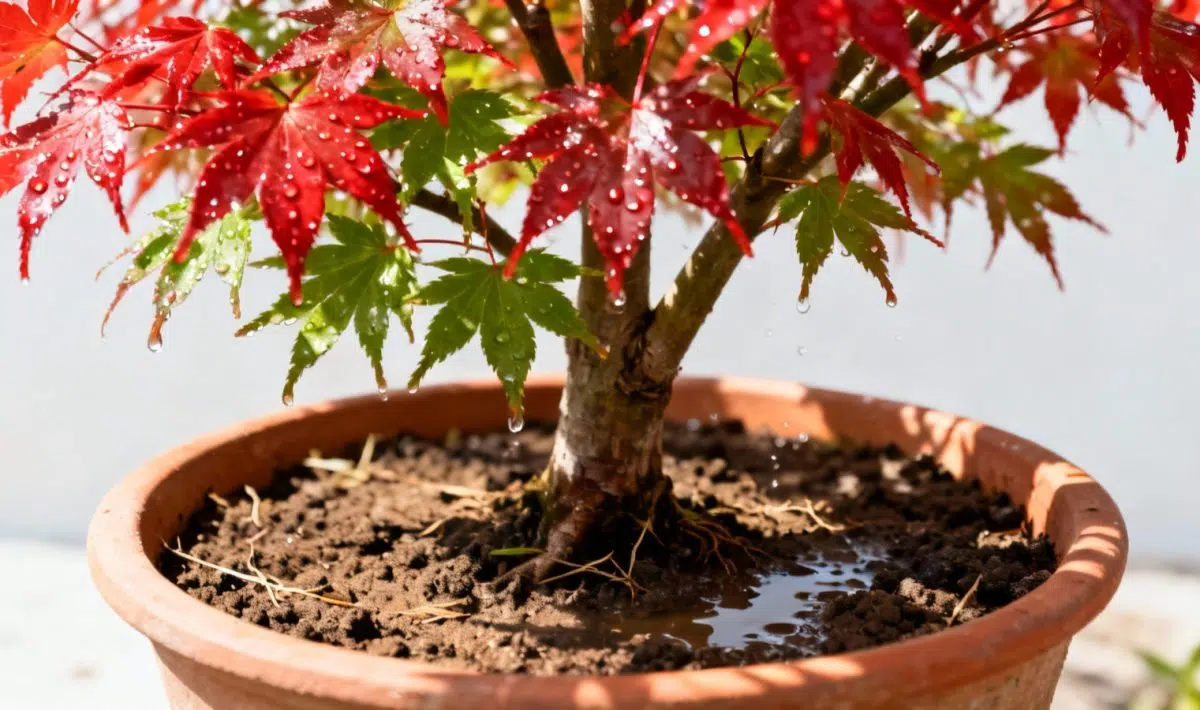
How often should you water your Japanese maple for healthy growth
Japanese maples are truly stunning additions to any garden, with their delicate foliage and graceful structure. However, getting the watering schedule right can make the difference between a thriving tree and one that struggles to survive. Understanding how often should you water your Japanese maple depends on several factors that we’ll explore together in this comprehensive overview.
These beautiful trees have specific water requirements that differ from many other garden plants. Too much water can lead to root rot, while too little leaves them stressed and vulnerable. Let’s dive into the essentials of proper Japanese maple hydration to help your Acer palmatum flourish.
Japanese maples require consistent moisture without waterlogged conditions. These trees prefer soil that stays slightly moist but never soggy. The key lies in finding that perfect balance where your maple gets adequate hydration without drowning its delicate root system.
During the growing season, you should typically water your Japanese maple once or twice per week, providing approximately 1-2 inches of water each time. This deep watering approach encourages roots to grow downward, creating a more robust and drought-resistant tree. For newly planted maples, you may need to increase this frequency during their first year of establishment.
The root system of Acer palmatum is relatively shallow and spreads wide rather than deep. This characteristic means they’re more susceptible to both drought stress and overwatering than trees with deeper root systems. Similarly, when learning about watering your Japanese meadowsweet properly, you’ll find that many Japanese plants share this preference for consistent, moderate moisture.
Seasonal watering adjustments for your maple
Spring brings active growth for Japanese maples, requiring more consistent watering as new leaves emerge and the tree expands its energy. During this period, monitor soil moisture closely and maintain regular watering schedules to support healthy development.
Summer heat intensifies water needs significantly. You may need to increase watering frequency to twice weekly or even more during exceptionally hot, dry periods. The combination of heat and wind can quickly dehydrate your maple, so pay attention to environmental conditions when planning your watering schedule.
Fall watering should gradually decrease as temperatures cool and the tree prepares for dormancy. However, don’t stop watering completely until the ground freezes. Winter watering is minimal in most climates, though container-grown maples may still need occasional moisture during mild winter days.
Environmental factors affecting watering frequency
Your garden’s microclimate plays a crucial role in determining watering needs. Trees planted in full sun locations will require more frequent watering than those in partial shade. Wind exposure also increases water loss through transpiration, meaning windswept locations need more attention.
Soil type dramatically impacts drainage and water retention. Clay soils hold moisture longer but can become waterlogged, while sandy soils drain quickly and require more frequent watering. Understanding your soil composition helps you adjust your watering schedule accordingly.
Container-grown Japanese maples have entirely different requirements from those planted in the ground. Pots dry out much faster, often requiring daily watering during hot summer months. The smaller root space means less water storage capacity, demanding more vigilant moisture management.
Effective watering techniques for Japanese maples
Deep, infrequent watering proves more beneficial than frequent shallow watering. When you water your maple, apply water slowly to allow deep soil penetration. This encourages roots to grow deeper, creating a more resilient tree that can better withstand dry periods.
Drip irrigation or soaker hoses work exceptionally well for Japanese maples. These systems deliver water directly to the root zone without wetting the foliage, reducing the risk of fungal diseases. Just as frequency of watering lemon trees varies with growing conditions, your maple’s needs will fluctuate based on weather and season.
Morning watering is ideal as it gives the tree all day to utilize the moisture while allowing any wet foliage to dry before evening. This timing reduces the likelihood of fungal issues that thrive in moist, cool conditions.
Mulching for moisture retention
Organic mulch serves as your best ally in maintaining consistent soil moisture. Apply a 2-3 inch layer of shredded bark, wood chips, or composted leaves around your maple, keeping mulch several inches away from the trunk base.
Mulch reduces evaporation, moderates soil temperature, and gradually adds organic matter as it decomposes. This natural system mimics forest floor conditions that Japanese maples love, creating an environment where they can thrive with less intervention from you.
Refresh mulch annually to maintain its effectiveness. As the bottom layer decomposes, it enriches the soil while the fresh top layer continues providing moisture retention and weed suppression benefits.
Recognizing water stress signals
Overwatering symptoms include yellowing leaves, especially on lower branches, and a general decline in tree vigor. Severely overwatered trees may develop root rot, which can be fatal if not addressed quickly. The soil around overwatered maples often has a sour smell and feels constantly soggy.
Underwatering shows through wilted, crispy leaf edges and premature leaf drop. Severely stressed trees may enter early dormancy as a survival mechanism. The soil around underwatered maples pulls away from tree trunks and feels dry several inches below the surface.
Healthy Japanese maples maintain vibrant foliage color appropriate to their variety and season. Leaves should feel supple and show good turgor pressure. When you check soil moisture by inserting your finger 2-3 inches deep, it should feel consistently moist but not waterlogged.
Monitoring tools and techniques
Soil moisture meters provide objective readings of water levels at different depths. These inexpensive tools take the guesswork out of watering decisions, especially helpful for beginning gardeners or when managing multiple trees with varying needs.
The finger test remains reliable for most situations. Insert your finger 2-3 inches into the soil near your maple’s drip line. If the soil feels dry at this depth, it’s time to water. This simple method works well for both garden-planted and container-grown trees.
Rain gauges help you track natural precipitation, allowing you to adjust your supplemental watering accordingly. During rainy periods, you may be able to skip scheduled watering entirely, while drought periods clearly indicate increased watering needs.
Special considerations for different growing situations
Container-grown Japanese maples require daily attention during growing season. Pots heat up quickly, increasing water loss through evaporation and root transpiration. Choose containers with adequate drainage holes, but be prepared to water more frequently than ground-planted specimens.
Newly planted maples need extra care during their establishment period. Water them more frequently for the first year, gradually transitioning to normal schedules as their root systems develop. This establishment period is crucial for long-term tree health and survival.
Mature Japanese maples typically require less frequent watering than young trees, thanks to their established root systems. However, don’t neglect them entirely during drought conditions. Even mature trees benefit from supplemental watering during extended dry periods. Understanding these patterns can help you develop better care strategies, much like learning appropriate watering for rose of sharon helps with other ornamental plants.
Integration with overall garden management
Japanese maples work beautifully alongside other moisture-loving plants that share similar water requirements. Grouping plants with comparable needs simplifies irrigation management and creates more efficient garden zones.
Consider your maple’s watering needs when planning seasonal garden maintenance. Spring represents the perfect time to install drip irrigation systems or refresh mulch layers. These preparations set you up for successful summer growing conditions.
Regular garden observation helps you develop intuitive understanding of your maple’s needs. Notice how quickly soil dries after watering, how your tree responds to different moisture levels, and which environmental conditions stress your specific specimens. This knowledge becomes invaluable for long-term tree care success.
Troubleshooting common watering problems
Inconsistent watering often causes more problems than slightly too much or too little water. Japanese maples prefer predictable moisture levels over erratic wet-dry cycles. Establish a routine and stick to it, adjusting only for significant weather changes.
Poor drainage kills more Japanese maples than drought. If your soil doesn’t drain well naturally, consider raising the planting area or amending the soil with organic matter to improve structure. Sometimes the solution involves relocating your tree to a more suitable location.
Competing vegetation can significantly impact your maple’s access to water and nutrients. Grass and weeds growing near your tree’s base compete directly with its shallow root system. Maintain a clear area around your maple, replacing turf with mulch for better moisture management.
Learning from other plants
Understanding watering principles for various plants enhances your overall gardening skills. The techniques you develop for Japanese maples often apply to other garden favorites. For instance, optimal watering for apple trees shares some similarities with ornamental tree care, though fruit trees have their own specific requirements.
Stone fruit trees like those discussed in caring for your cherry plum tree also benefit from deep, infrequent watering schedules. These parallel approaches help you develop comprehensive garden management strategies.
Even vegetables can teach us valuable lessons about plant hydration. The principles behind water requirements for garden lettuce emphasize consistent moisture and proper timing, concepts that translate beautifully to ornamental tree care.
Creating your personalized watering schedule
Start by assessing your specific growing conditions: soil type, sun exposure, local climate patterns, and tree maturity. These factors combine to create unique requirements for your particular maple specimens.
Begin with the general guideline of 1-2 times weekly during growing season, then adjust based on your observations. Keep notes about weather conditions, watering dates, and tree responses to build your understanding over time.
Remember that successful Japanese maple care involves patience and observation. These magnificent trees reward consistent, thoughtful care with years of stunning beauty. Your attention to proper watering practices forms the foundation for a healthy, thriving maple that will enhance your garden for decades to come.
Allan is a lifelong gardening enthusiast who still gets excited when the first seedlings pop up in spring. With a deep love for nature and a hands-in-the-soil approach, he shares practical tips, plant discoveries, and clever tricks picked up over years of digging, planting, and observing. Whether you’re a new gardener or have a shed full of tools, Allan writes like a neighbor who’s always happy to swap cuttings and stories over the fence.
You can find more about Allan’s work on Malt or connect with him on LinkedIn.