
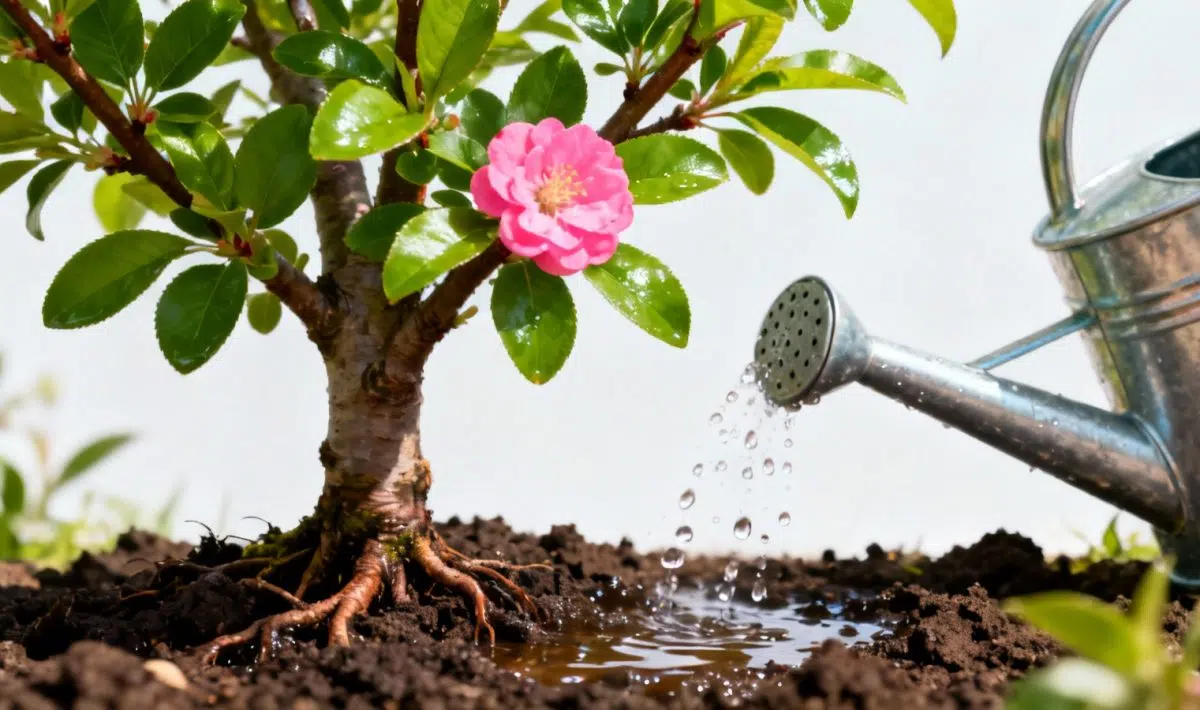
Understanding cherry plum water requirements
Cherry plum trees are remarkably adaptable, but understanding how often should you water your cherry plum makes all the difference between a thriving tree and one that struggles. These beautiful trees, known for their delicate flowers and natural resilience, have specific hydration needs that change as they mature. With the right approach, you can help your cherry plum develop strong roots and produce abundant blooms year after year.
Watering frequency for newly planted cherry plums
The first year after planting is crucial for establishing your cherry plum tree. During this period, water your young tree once weekly with approximately 15-40 liters, depending on its size and local conditions. This consistent moisture helps the root system develop properly and gives your tree the best start in its new environment.
Create a shallow basin around the base of your tree to help water penetrate deeply rather than running off. Much like when you’re determining watering garden lettuce effectively, timing matters greatly. Water in the early morning or evening to minimize evaporation and allow maximum absorption.
During particularly hot spells or windy conditions, you might need to increase frequency slightly. However, avoid daily watering as this can lead to shallow root development and make your tree dependent on constant moisture.
Adjusting watering for established cherry plums
Once your cherry plum enters its second year, you can reduce watering to every 10-14 days during dry periods. Established trees develop deeper root systems that can access moisture from lower soil layers, making them more drought-tolerant than young plantings.
Mature cherry plum trees typically need water only during extended dry spells. Their natural hardiness means they can often survive on rainfall alone, except during particularly challenging weather conditions. When you do water, apply 60-100 liters slowly to ensure deep penetration.
The beauty of cherry plums lies in their ability to adapt to various conditions. Similar to how you might approach optimal watering for Egyptian starcluster, consistency matters more than frequency for these resilient trees.
Seasonal watering variations
Spring brings new growth and flower development, making it a critical time for adequate moisture. Water weekly if rainfall is insufficient, focusing on deep, thorough soaking rather than light, frequent applications. This supports both root development and beautiful spring blooms.
Summer requires the most attention, especially during heat waves or drought conditions. Check soil moisture regularly and water when the top few inches become dry. However, avoid overwatering, which can be just as harmful as drought stress.
Fall watering helps your cherry plum prepare for winter dormancy. Gradually reduce frequency but ensure the tree enters winter with adequate soil moisture. This preparation strengthens the tree’s ability to withstand cold temperatures.
Winter typically requires minimal intervention, as dormant trees use very little water. Only water during unusually warm, dry winter periods when the ground isn’t frozen.
Effective watering methods
Deep, infrequent watering proves most beneficial for cherry plum health. Use a soaker hose or drip irrigation system to deliver water slowly and steadily to the root zone. This method encourages deep root growth and improves drought tolerance.
When hand watering, apply water slowly around the drip line rather than directly at the trunk. The feeder roots extend outward, and this approach ensures better water uptake. Just as you would consider proper technique for watering common bugle plants, methodology matters significantly for tree health.
Morning watering remains ideal as it allows plants to absorb moisture before daily heat stress begins. Evening watering can work but may increase disease risk in humid climates.
Recognizing water stress signs
Wilted or yellowing leaves often indicate water stress, though these symptoms can also suggest overwatering. Check soil moisture by inserting your finger several inches into the ground near the root zone. Dry soil at this depth usually means it’s time to water.
Premature leaf drop or stunted growth can signal chronic water stress. Cherry plums are generally forgiving, but consistent moisture stress weakens their natural resistance to pests and diseases.
Conversely, waterlogged soil and yellowing leaves might indicate overwatering. Unlike more delicate plants that require precise moisture management, such as when you’re learning proper care for wax begonias, cherry plums prefer slightly drier conditions to constantly wet soil.
Soil considerations and drainage
Well-draining soil is essential for cherry plum health. These trees tolerate various soil types but struggle in consistently waterlogged conditions. If your soil drains poorly, consider improving drainage or planting in raised areas.
Sandy soils drain quickly and may require more frequent watering, while clay soils hold moisture longer but can become waterlogged. Adjust your watering schedule based on your specific soil conditions and local climate patterns.
Adding organic mulch around your tree helps retain soil moisture and reduces watering frequency. Keep mulch several inches away from the trunk to prevent pest and disease issues.
Special considerations for container-grown cherry plums
Potted cherry plums require more frequent attention than ground-planted trees. Container soil dries out faster, especially during hot weather or windy conditions. Check moisture levels every few days and water when the top inch of soil feels dry.
Use containers with adequate drainage holes to prevent waterlogging. Unlike ground-planted trees, container plants can’t extend their roots to find moisture elsewhere, making consistent care essential.
During winter, reduce watering frequency but don’t allow the soil to completely dry out. Container plants are more susceptible to freeze damage, so protect them appropriately in cold climates. This careful attention to container needs is similar to the specialized care required for Ghast plant watering tips, where environmental control plays a crucial role.
Troubleshooting common watering problems
If your cherry plum shows signs of stress despite regular watering, examine your watering depth and coverage area. Shallow watering encourages surface roots, making trees more vulnerable to drought stress.
Inconsistent watering can cause fruit splitting or dropping, though cherry plums grown primarily for ornamental purposes are less affected by these issues. Maintain steady moisture levels throughout the growing season for best results.
Competition from grass or other plants can affect water availability. Consider creating a mulched area around your tree to reduce competition and improve water penetration. Much like managing water needs for climbing plants such as turtle vine watering guidelines, eliminating competition helps ensure your primary plant receives adequate resources.
Long-term water management strategies
Developing a sustainable watering routine takes time and observation. Keep track of rainfall, temperature patterns, and your tree’s response to different watering schedules. This information helps you fine-tune your approach over time.
Consider installing a rain gauge to monitor natural precipitation accurately. This simple tool helps you determine when supplemental watering is necessary and prevents overwatering during rainy periods.
Remember that cherry plums are naturally hardy trees that, once established, require minimal intervention. Your goal should be supporting the tree’s natural resilience rather than creating dependency on constant care.

Allan is a lifelong gardening enthusiast who still gets excited when the first seedlings pop up in spring. With a deep love for nature and a hands-in-the-soil approach, he shares practical tips, plant discoveries, and clever tricks picked up over years of digging, planting, and observing. Whether you’re a new gardener or have a shed full of tools, Allan writes like a neighbor who’s always happy to swap cuttings and stories over the fence.
You can find more about Allan’s work on Malt or connect with him on LinkedIn.


