Understanding your European plum tree’s water needs
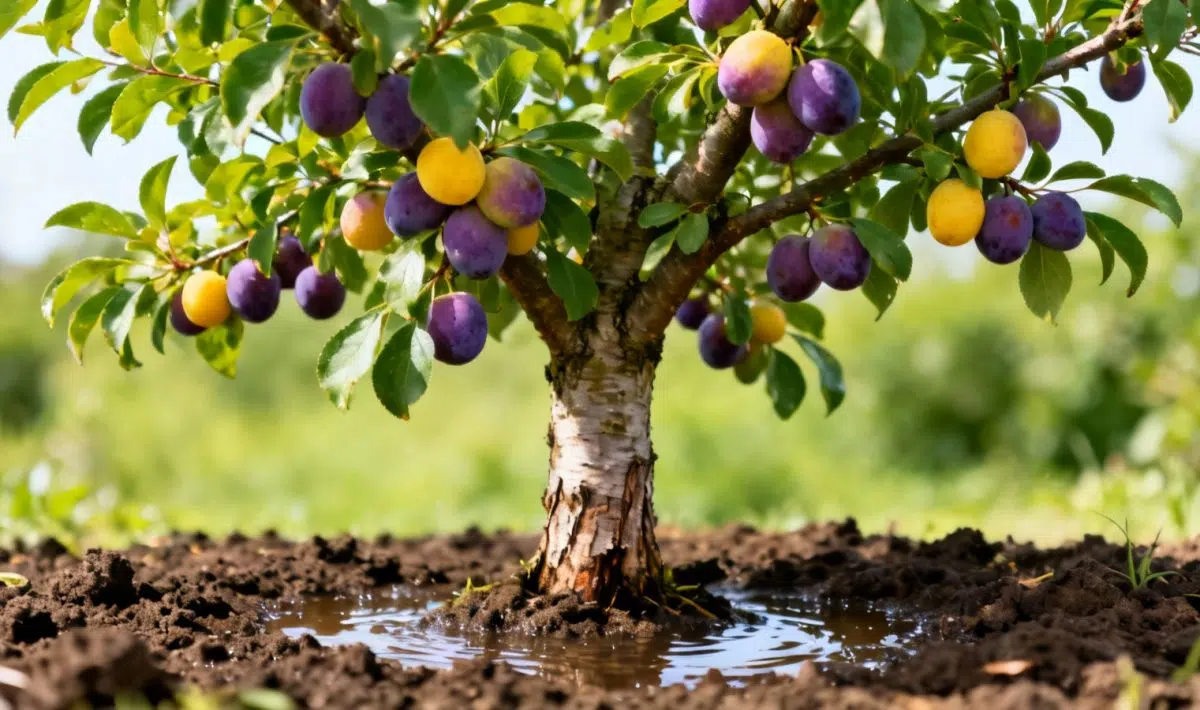
European plum trees are relatively easy to care for, but their watering requirements can make or break your fruit harvest. These trees originated from Mediterranean climates, which means they’re naturally adapted to periods of drought followed by adequate moisture. Understanding this natural pattern is key to providing the right amount of water at the right times.
The frequency of watering your European plum depends on several factors that work together to determine your tree’s hydration needs. Soil type, tree age, weather conditions, and seasonal changes all play crucial roles in how often you should reach for that watering can or turn on your irrigation system.
Unlike other fruit trees that might need constant moisture, plums are quite forgiving. However, this doesn’t mean you can neglect them entirely. The key is finding that sweet spot where your tree gets enough water to produce juicy fruits without becoming waterlogged.
How often should you water your European plum through the seasons
Spring watering: supporting new growth and blossoms
Spring is when your European plum tree wakes up from its winter dormancy and starts producing those beautiful white or pink blossoms. During this period, you’ll want to water deeply but less frequently – typically once or twice per week depending on rainfall. The goal is to encourage strong root development while supporting the energy-intensive flowering process.
For newly planted trees, you’ll need to be more attentive during their first spring. These young trees haven’t developed extensive root systems yet, so they need consistent moisture to establish themselves. Water them about 70 liters every two weeks, but always check the soil moisture first.
As the weather warms up and growth accelerates, you might notice your tree’s water needs increasing slightly. This is perfectly normal – just like how we get thirstier when we’re more active, trees use more water when they’re producing new leaves and branches.
Summer care: the critical watering period
Summer is when your European plum tree works hardest to develop those delicious fruits we’re all waiting for. This is typically when you’ll need to water most frequently – usually twice per week during hot, dry spells. The key is to water deeply rather than little and often, encouraging roots to grow deeper into the soil.
During particularly hot periods, you might need to increase watering frequency to three times per week. However, always let the soil guide you rather than sticking rigidly to a schedule. Just as you might check on watering your sycamore tree effectively for different tree care approaches, monitoring soil moisture is crucial for plums too.
The fruits themselves will tell you a lot about whether your watering schedule is working. Plums that split or crack often indicate irregular watering – too much water after a dry period. Consistent moisture levels prevent this frustrating problem.
Autumn and winter: scaling back the water
As temperatures drop and your tree prepares for dormancy, you can significantly reduce watering frequency. In autumn, once or twice per month is usually sufficient, and in winter, you might not need to water at all unless you’re experiencing an unusually dry period.
This reduction in watering helps your tree prepare for winter by slowing growth and allowing it to store energy for next year’s fruit production. Overwatering during this period can actually harm the tree by preventing it from entering proper dormancy.
Recognizing when your plum tree needs water
Visual signs to watch for
Your European plum tree will give you clear signals when it’s thirsty, but you need to know what to look for. Slightly wilted leaves during the heat of the day can be normal, but if leaves remain droopy in the evening or early morning, it’s time to water. Yellowing leaves, especially on younger branches, can also indicate water stress.
The fruits themselves are excellent indicators of water needs. Plums that are smaller than expected or have wrinkled skin often signal insufficient watering. On the flip side, fruits that split or have poor flavor might indicate overwatering or inconsistent moisture levels.
Pay attention to new growth as well. Healthy European plum trees should produce steady new growth during the growing season. If growth slows dramatically or stops altogether (outside of normal dormancy periods), water stress might be the culprit.
The soil moisture test
The most reliable way to determine watering needs is by checking soil moisture directly. Push your finger or a soil probe about 4-6 inches into the ground near the tree’s base. If the soil feels dry at this depth, it’s time to water. If it’s still moist, you can wait a day or two before checking again.
For a more precise approach, you can use a soil moisture meter. These inexpensive tools take the guesswork out of watering decisions and can help you develop a better understanding of your soil’s water-holding capacity over time.
Remember that different soil types hold water differently. Sandy soils drain quickly and need more frequent watering, while clay soils hold moisture longer but can become waterlogged if you’re not careful. Understanding your specific soil type will help you fine-tune your watering approach.
Effective watering techniques for European plums
Deep watering methods
When you do water your European plum tree, make sure you’re doing it effectively. Deep, infrequent watering is far better than frequent shallow watering. This approach encourages roots to grow deeper, making your tree more drought-resistant and stable.
The best method is to water slowly and deeply around the tree’s drip line – that’s the area directly under the outer edge of the branches where rainwater would naturally drip off. This is where most of the feeder roots are located, so watering here gives you the most bang for your buck.
A soaker hose or drip irrigation system works wonderfully for this purpose. These methods deliver water slowly and steadily, allowing it to penetrate deeply rather than running off the surface. If you’re using a hose or watering can, water slowly and move around the tree to ensure even coverage.
Drainage considerations
Good drainage is just as important as adequate water supply for European plum trees. These trees are susceptible to root rot if their roots sit in waterlogged soil for extended periods. If your soil drains poorly, you might need to improve it with organic matter or create raised planting areas.
You can test drainage by digging a hole about 12 inches deep and filling it with water. If water remains in the hole after 24 hours, you have drainage issues that need addressing. In severe cases, you might need to install drainage tiles or choose a different planting location.
For container-grown European plum trees, drainage is absolutely critical. Make sure your pots have adequate drainage holes and use a well-draining potting mix. Container trees will need more frequent watering than ground-planted trees, sometimes daily during hot summer weather.
Helpful tools and techniques
Having the right tools can make watering your European plum tree much easier and more effective. A soil probe or moisture meter takes the guesswork out of determining when to water. A quality soaker hose or drip irrigation system provides consistent, efficient watering with minimal effort on your part.
Mulching around your tree is one of the best things you can do to maintain consistent soil moisture. A 3-4 inch layer of organic mulch (like wood chips or shredded bark) helps retain moisture, suppress weeds, and gradually improves soil structure as it decomposes.
Consider that watering needs vary significantly among different plants in your garden. For instance, the approach for proper care for your Chinese money plant will be quite different from your plum tree’s requirements, just as optimal watering for watermelon growth involves different timing and frequency considerations.
Common watering mistakes to avoid
One of the most common mistakes is watering little and often rather than deeply and less frequently. This creates shallow root systems that are more vulnerable to drought stress. Another frequent error is watering the trunk area rather than the drip line where the active roots are located.
Overwatering is just as problematic as underwatering. Many gardeners think more water is always better, but European plum trees can suffer from root rot and other problems when their roots are constantly wet. Always check soil moisture before watering, regardless of your schedule.
Timing also matters more than many people realize. Watering during the heat of the day leads to excessive evaporation and can actually stress the tree. Early morning is the ideal time, allowing the tree to absorb water before the day heats up. Evening watering can work too, but it may increase the risk of fungal diseases in humid climates.
Finally, don’t forget to adjust your watering schedule based on rainfall. Nature often does the work for you, and supplemental watering may be unnecessary during rainy periods. This principle applies to many garden plants – even understanding healthy growth of your smoketree involves similar weather-responsive adjustments.
Signs of proper hydration
A well-watered European plum tree shows several positive signs that indicate you’re getting the balance right. The leaves should be a healthy green color and maintain their shape throughout the day, even during hot weather. New growth should be steady and vigorous during the growing season.
The fruits themselves are excellent indicators of proper watering. Well-hydrated plum trees produce fruits that are full-sized, have good color development, and taste sweet and juicy. The skin should be smooth and taut, without cracking or wrinkling.
Overall tree health is perhaps the best long-term indicator. Trees receiving appropriate water will have good resistance to pests and diseases, produce consistent annual crops, and show steady growth over the years. They’ll also be better equipped to handle periods of stress, whether from heat, cold, or other environmental factors.

Allan is a lifelong gardening enthusiast who still gets excited when the first seedlings pop up in spring. With a deep love for nature and a hands-in-the-soil approach, he shares practical tips, plant discoveries, and clever tricks picked up over years of digging, planting, and observing. Whether you’re a new gardener or have a shed full of tools, Allan writes like a neighbor who’s always happy to swap cuttings and stories over the fence.
You can find more about Allan’s work on Malt or connect with him on LinkedIn.