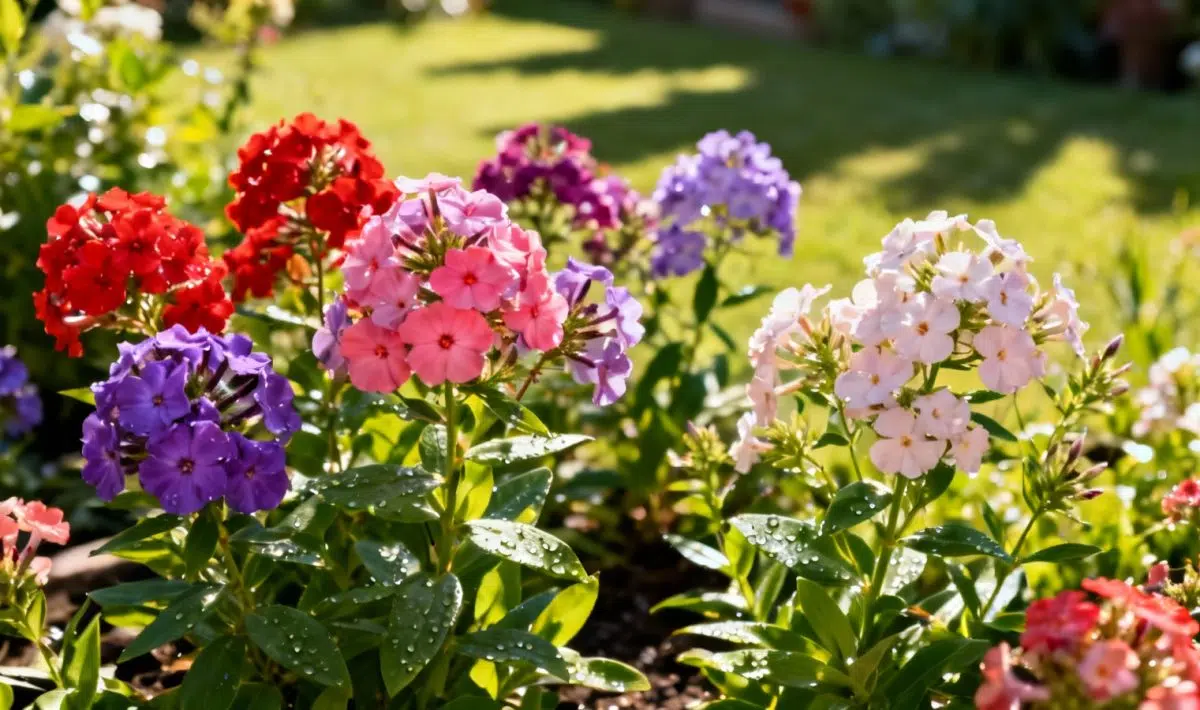
When you’re planning your garden with beautiful flowering perennials, knowing how much sunlight does garden phlox need becomes essential for success. Garden phlox thrives best with at least 6 hours of direct sunlight daily, making it a fantastic choice for sunny garden spots. These stunning flowers reward gardeners with abundant blooms when they receive proper sun exposure throughout the growing season.
The relationship between phlox and sunlight is quite straightforward. Full sun conditions encourage robust growth, vibrant flower colours, and healthy foliage that resists common diseases. When phlox plants receive adequate light, they develop strong stems that support their impressive flower clusters from spring through summer months.
What makes phlox special in gardens
Garden phlox stands out for its incredible versatility and stunning visual impact. These perennial plants produce clusters of fragrant flowers in various colours, from pure white to deep purple, creating spectacular displays in garden borders. They work exceptionally well with other sun-loving plants, forming the backbone of many successful garden designs.
The plant’s adaptability to different garden conditions makes it a favourite among both novice and experienced gardeners. However, understanding their light preferences ensures you get the most impressive floral show from your investment.
Full sun versus partial shade conditions
While garden phlox performs best in full sun, it can tolerate some partial shade in certain circumstances. In regions with intense summer heat, morning sun with afternoon shade can actually benefit the plants. This approach helps prevent stress during the hottest parts of the day while still providing adequate light for flowering.
In partial shade conditions, you might notice fewer flowers and slightly weaker stems compared to full sun plantings. The key is ensuring your phlox receives morning sunlight, which helps dry dew from the foliage and reduces disease pressure. Just as sunlight requirements for sweetgum trees vary by location, phlox needs can adjust based on your climate zone.
Optimal soil conditions for sun-loving phlox
Well-drained soil forms the foundation for healthy phlox growth, especially in sunny locations. These plants prefer soil that retains moisture without becoming waterlogged. Adding organic matter improves both drainage and moisture retention, creating the ideal growing environment.
Good soil preparation includes working compost or aged manure into the planting area. This enhancement helps the soil maintain consistent moisture levels, which becomes crucial when phlox plants are exposed to full sun conditions throughout the day.
Choosing the right phlox varieties
Different phlox varieties have varying sun tolerance levels, giving you options for different garden situations. Tall garden phlox varieties typically demand the most sun, while shorter types can handle slightly less intense light conditions. Understanding these differences helps you select the best varieties for your specific garden location.
When selecting phlox for your garden, consider both the available sunlight and the mature size of each variety. Some gardeners find success growing phlox alongside other sun-loving perennials that have similar care requirements, much like how optimal sunlight for common mugwort complements garden planning strategies.
Best planting practices for sunny locations
Timing your phlox planting correctly maximizes their establishment in sunny garden spots. Spring planting allows the roots to develop before summer’s intense heat arrives. However, fall planting can also work well, giving plants time to establish before winter dormancy.
Proper spacing becomes especially important in sunny locations where air circulation helps prevent disease issues. Allow adequate room between plants to promote good airflow while maintaining the visual impact of grouped plantings.
Seasonal care for sun-exposed phlox
Summer care requires special attention when phlox grows in full sun conditions. Regular watering becomes essential, especially during hot, dry periods. Deep, infrequent watering encourages strong root development better than frequent shallow watering sessions.
Mulching around phlox plants helps conserve soil moisture and regulate soil temperature in sunny locations. A 2-3 inch layer of organic mulch keeps roots cool while reducing water evaporation from the soil surface.
Managing heat stress and watering needs
During peak summer months, monitor your phlox for signs of heat stress, such as wilting during the hottest part of the day. While some midday drooping is normal, persistent wilting indicates the need for additional water or temporary shade protection.
Consistent moisture proves more important than frequent feeding for sun-grown phlox. These plants can handle some drought once established, but they perform best with regular water during their active growing season. Similar to sweet alyssum sunlight need considerations, proper hydration supports optimal bloom production.
Creating stunning garden combinations
Phlox works beautifully with other sun-loving perennials in mixed borders and cottage garden designs. Their height and flower form complement shorter plants while providing vertical interest in the garden landscape. Consider pairing different phlox colours for extended bloom periods and visual variety.
The versatility of phlox allows for creative garden designs that take advantage of their sun requirements. Plant them with other summer-blooming perennials that share similar light and water needs for low-maintenance garden success.
Companion planting strategies
Strategic companion planting enhances both the beauty and health of your phlox plantings. Select plants that complement phlox growing requirements while adding visual interest through contrasting textures and bloom times. This approach creates gardens that provide continuous colour throughout the growing season.
Consider how different plant heights and growth habits work together in sunny garden spaces. Much like understanding sunlight for sweet mock-orange plants helps create cohesive landscape designs, proper phlox placement contributes to overall garden success.
Successful phlox gardening comes down to providing adequate sunlight, well-drained soil, and consistent care throughout the growing season. These reliable perennials reward gardeners with years of beautiful blooms when their basic needs are met in sunny garden locations.
Allan is a lifelong gardening enthusiast who still gets excited when the first seedlings pop up in spring. With a deep love for nature and a hands-in-the-soil approach, he shares practical tips, plant discoveries, and clever tricks picked up over years of digging, planting, and observing. Whether you’re a new gardener or have a shed full of tools, Allan writes like a neighbor who’s always happy to swap cuttings and stories over the fence.
You can find more about Allan’s work on Malt or connect with him on LinkedIn.