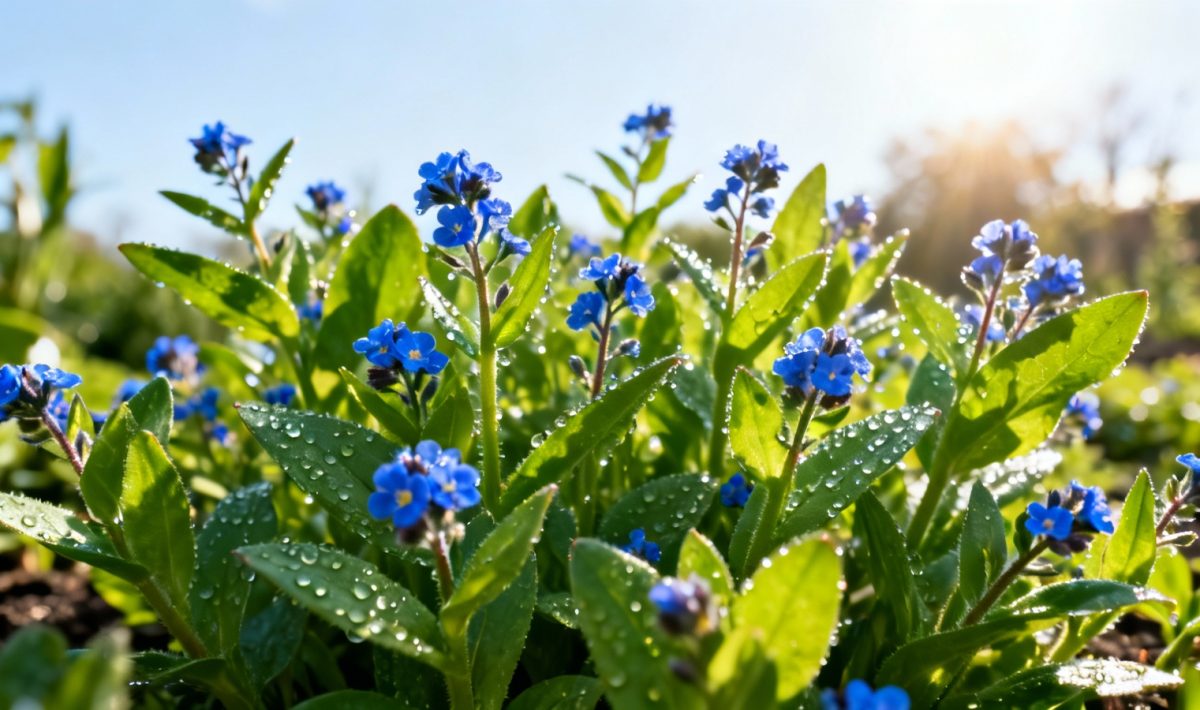
When you first encounter common bugle in your garden, you might wonder how much sunlight this charming ground cover actually needs. This versatile plant, known scientifically as Ajuga reptans, creates beautiful carpet-like displays with its distinctive foliage and vibrant blue flower spikes. Understanding its light preferences is essential for creating the perfect growing conditions that will make your garden dance with color throughout the growing season.
Common bugle thrives best in partial shade conditions, requiring approximately 3-4 hours of direct sunlight daily for optimal foliage coloration and flowering. However, this adaptable plant can tolerate a range of light conditions, from full shade to full sun, making it an excellent choice for various garden locations. The key is understanding how different light exposures affect the plant’s growth, appearance, and overall health.
Partial shade: the sweet spot for common bugle
Partial shade represents the ideal growing condition for common bugle, much like finding the perfect tempo in a jazz composition. In these conditions, the plant develops its most vibrant foliage colors while maintaining healthy growth patterns. The filtered sunlight allows the leaves to showcase their full potential, whether you’re growing green varieties or colorful cultivars with bronze, purple, or variegated patterns.
During the first spring establishment, partial shade locations provide protection from intense afternoon sun while still delivering enough light energy for photosynthesis. This balance creates an environment where common bugle can spread naturally, forming dense mats that suppress weeds effectively. Just as a well-orchestrated band creates harmony, partial shade creates the perfect symphony of light and protection for this ground cover.
The morning sun combined with afternoon shade mimics the plant’s natural woodland habitat, where it originally grew beneath forest canopies. This exposure pattern allows the plant to photosynthesize efficiently during cooler morning hours while avoiding stress from intense midday heat. For gardeners seeking reliable ground cover with minimal maintenance requirements, partial shade locations deliver consistent results year after year.
Full sun tolerance and considerations
While common bugle can tolerate full sun exposure, this condition requires more attentive care from gardeners. In full sun locations, the plant often produces more abundant flowers, creating stunning displays that rival any orchestrated garden show. However, the intense light can cause stress, particularly during hot summer months when temperatures soar and moisture evaporates quickly from soil and foliage.
When growing common bugle in full sun, consistent moisture becomes crucial for plant health. The combination of direct sunlight and heat increases water demand significantly, requiring regular irrigation during dry periods. Much like how musicians need proper hydration for peak performance, common bugle needs adequate water when exposed to full sun conditions throughout the day.
Full sun exposure can also affect foliage coloration, sometimes causing leaves to appear lighter or more bronze than they would in partial shade. While this isn’t necessarily harmful, it may not match your desired aesthetic goals. Additionally, in regions with particularly intense summer heat, full sun locations may cause the plant to go dormant earlier in the season as a protective mechanism.
Shade tolerance and deep shade performance
Common bugle demonstrates remarkable tolerance for shade conditions, making it valuable for challenging garden areas where few other plants thrive. In deep shade, the plant develops darker green foliage and maintains steady, if slower, growth throughout the growing season. This adaptability makes it an excellent choice for beneath large trees or in narrow spaces between buildings where sunlight is limited.
However, flowering may be reduced in very shady conditions, as the plant directs its energy toward foliage production rather than bloom development. When considering shade plantings, think of common bugle as background music rather than the main melody – it provides consistent, reliable performance even when conditions aren’t perfect. This makes it particularly valuable for creating cohesive garden designs in challenging locations.
Deep shade locations also tend to retain moisture longer, reducing watering requirements and making maintenance easier overall. The plant’s natural spreading habit works well in these conditions, slowly expanding to fill available space without becoming aggressive or overwhelming nearby plants. For gardeners dealing with dry shade conditions, common bugle offers one of the best solutions available.
Seasonal light considerations
Understanding how seasonal changes affect light exposure helps optimize common bugle performance throughout the year. During spring months, when deciduous trees are leafless, shade areas may receive more light than they will later in the season. This early season exposure benefits the plant’s emergence and initial growth phases, providing energy for the spectacular flower displays that typically occur in late spring.
Summer months bring the challenge of increased heat and potentially reduced light in areas beneath mature tree canopies. Common bugle’s natural adaptation to these changing conditions makes it particularly valuable for woodland gardens or naturalized areas. The plant adjusts its growth patterns according to available light, demonstrating the remarkable flexibility that has made it popular with gardeners for generations.
Fall conditions often provide ideal growing weather for common bugle, with cooler temperatures and moderate light levels promoting healthy foliage development. This is often when gardeners see the most vibrant leaf colors in ornamental varieties. Winter dormancy allows the plant to rest and prepare for the following year’s growth cycle, regardless of the specific light conditions in your garden location.
Optimizing care based on light exposure
Successful common bugle cultivation requires adjusting care practices based on the specific light conditions in your garden. In sunny locations, focus on maintaining consistent soil moisture and providing organic mulch to help retain water and moderate soil temperatures. Regular monitoring during hot weather prevents stress that could impact the plant’s long-term health and vigor.
For partial shade installations, standard care practices usually suffice, with moderate watering during dry spells and annual application of compost or balanced fertilizer. These conditions typically require the least intervention from gardeners, making partial shade the most low-maintenance option for busy individuals seeking beautiful ground cover solutions.
Shade plantings may benefit from occasional fertilization to support healthy growth when light levels are limited. However, avoid over-fertilizing, as this can promote excessive foliage growth at the expense of the plant’s natural compact habit. Similar to how cucumber sunlight requirements affect vegetable garden success, understanding your specific light conditions helps determine appropriate care strategies.
Companion planting strategies
When planning garden combinations, consider how common bugle’s light requirements complement other plants in your landscape design. In partial shade areas, it pairs beautifully with hostas, ferns, and woodland wildflowers, creating layered plantings that provide interest throughout the growing season. The plant’s low growing habit makes it an excellent foreground element in mixed shade plantings.
For sunny locations where you choose to grow common bugle, combine it with drought-tolerant perennials that can handle similar conditions. This approach creates cohesive plantings where all elements thrive under the same care regimen. Just as understanding optimal sunlight for blackberries helps fruit garden planning, knowing common bugle’s preferences enables better overall garden design.
Consider the mature size and spreading nature of common bugle when selecting companions, ensuring adequate space for natural expansion without overwhelming neighboring plants. The plant’s relatively shallow root system makes it compatible with most garden situations, but thoughtful spacing prevents competition issues as plantings mature over time.
Troubleshooting common light-related issues
Recognizing signs of inappropriate light exposure helps gardeners make necessary adjustments for optimal plant performance. Pale or yellowing foliage may indicate insufficient light, while brown or scorched leaf edges often signal excessive sun exposure combined with inadequate moisture. Understanding these visual cues enables prompt corrective action.
Poor flowering despite healthy foliage growth typically indicates insufficient light exposure, particularly in very shady locations. While the plant remains healthy, you may need to consider transplanting to a brighter location if abundant blooms are important for your garden goals. Much like how light needs of common foxglove determine flowering success, common bugle responds predictably to light availability.
Stunted growth or sparse coverage may result from various factors, but inadequate light is often a contributing cause. Before assuming other problems, evaluate whether the current location provides sufficient light for the plant’s needs. Sometimes simple relocation to a more appropriate site solves multiple issues simultaneously, restoring vigorous growth and attractive appearance.
Creating ideal microclimates
Gardeners can modify existing conditions to better suit common bugle’s light preferences through strategic landscape modifications. Selective pruning of overhanging branches increases light penetration in shade areas, while the addition of taller plants or structures provides protection in overly sunny locations. These adjustments create customized growing conditions that optimize plant performance.
Understanding how sycamore tree light needs affect overhead canopy development helps predict long-term light conditions in your garden. Young landscapes may provide full sun initially but develop into partial or full shade areas as trees mature. Planning for these changes ensures continued success with common bugle plantings over many years.
Temporary shade structures, such as shade cloth or strategically placed containers, can protect newly planted common bugle during establishment periods in sunny locations. This approach allows you to grow the plant in preferred locations while providing necessary protection during vulnerable early stages. Once established, most plants develop sufficient resilience to handle their permanent light conditions with appropriate care adjustments.
Seasonal maintenance and light optimization
Regular maintenance practices help maximize common bugle’s response to available light throughout the growing season. Spring cleanup removes winter debris that might block light from reaching emerging growth, while fall maintenance prepares plants for winter dormancy. These seasonal tasks ensure the plant can make full use of available light energy when it’s most needed for growth and flowering.
Monitoring light conditions throughout the year helps identify opportunities for improvement or necessary adjustments. As gardens mature and surrounding vegetation grows, light patterns change significantly. What begins as a full sun location may gradually become partial shade, requiring modifications to care practices but potentially improving conditions for common bugle growth.
Understanding these natural progressions, much like how sunlight requirements for common fig evolve with tree maturity, helps gardeners plan for long-term success. Regular assessment ensures that care practices remain appropriate for current conditions rather than historical planting site characteristics that may no longer apply.
Regional considerations and adaptations
Climate and regional variations significantly impact how common bugle responds to different light exposures, requiring gardeners to adapt general guidelines to local conditions. In cooler northern regions, full sun tolerance increases substantially, while hot southern climates make partial shade or morning sun with afternoon shade essential for plant survival and vigor.
Humidity levels, seasonal temperature patterns, and local weather extremes all influence the relationship between light exposure and plant health. High humidity regions may see excellent performance in sunnier locations due to reduced evapotranspiration stress, while arid climates require more conservative light exposure approaches to maintain plant health throughout the growing season.
Understanding these regional nuances helps gardeners make informed decisions about placement and care strategies. Just as sunlight for shrubby cinquefoil varies by climate zone, common bugle’s optimal light requirements shift based on local environmental conditions. Successful cultivation requires balancing general plant preferences with specific regional growing challenges and opportunities for outstanding garden performance.
Allan is a lifelong gardening enthusiast who still gets excited when the first seedlings pop up in spring. With a deep love for nature and a hands-in-the-soil approach, he shares practical tips, plant discoveries, and clever tricks picked up over years of digging, planting, and observing. Whether you’re a new gardener or have a shed full of tools, Allan writes like a neighbor who’s always happy to swap cuttings and stories over the fence.
You can find more about Allan’s work on Malt or connect with him on LinkedIn.