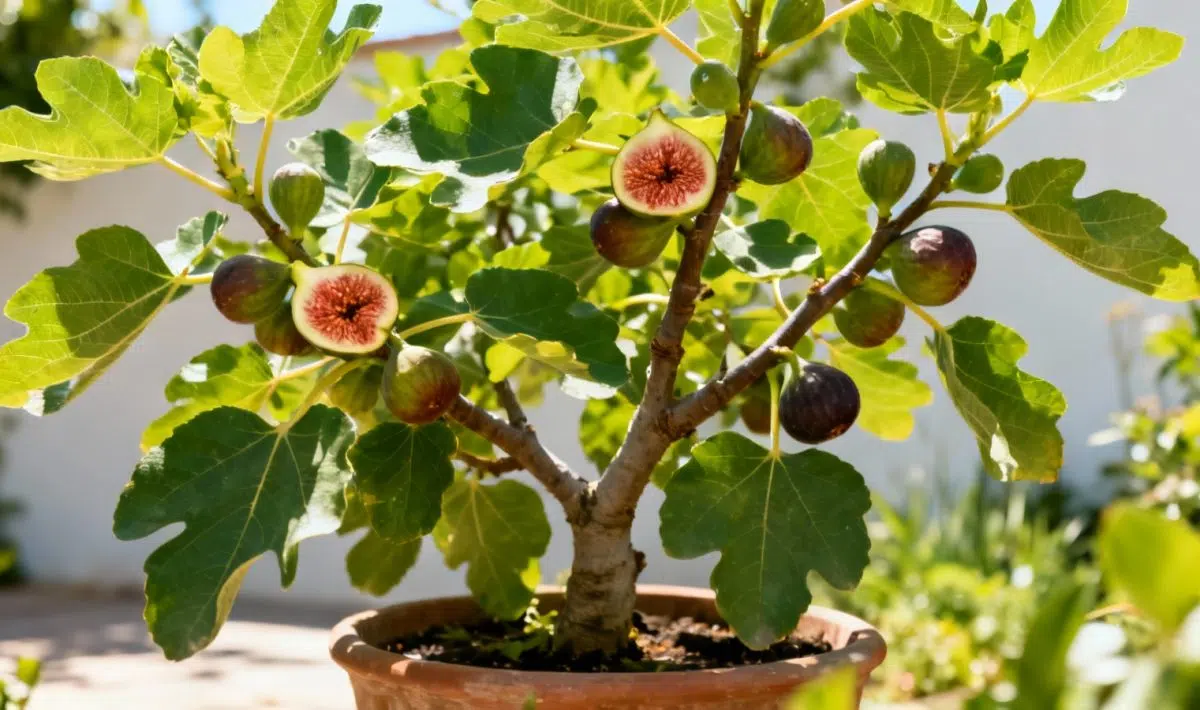
How much sunlight does common fig need for optimal growth
The common fig tree (Ficus carica) stands as one of the most rewarding fruit trees to grow, but understanding its sunlight requirements is crucial for success. Unlike indoor ficus plants that tolerate shade, this Mediterranean native thrives in bright, sunny conditions and demands specific light exposure to produce those sweet, juicy figs we all love.
The common fig tree needs a minimum of 6 to 8 hours of direct sunlight daily for optimal growth and fruit production. This requirement stems from its Mediterranean origins, where intense sunshine fueled centuries of abundant harvests. Without adequate light, your fig tree will struggle with poor fruit development and weak branch growth.
Most fig tree varieties available for sale perform best when positioned in the sunniest spot of your garden. The plant’s large leaves are designed to capture maximum sunlight, converting it into the energy needed for those delicious fruits. Research shows that fig trees receiving less than 4-5 hours of direct sun experience significantly reduced fruit production.
Seasonal sunlight variations and your fig tree
During spring and summer months, your fig tree will eagerly soak up every ray of available sunlight. The longer days provide perfect conditions for vigorous growth and the development of two fruit crops – the early breva figs and the main autumn harvest. However, understanding how seasonal changes affect light exposure helps you plan better care.
Winter brings shorter days and reduced light intensity, which actually benefits dormant fig trees. During this time, the plant requires minimal light as it rests and prepares for the next growing season. This natural cycle mirrors the conditions that wild fig trees experience in their native Mediterranean climate.
Many gardeners wonder about light requirements for different plants in their garden. For instance, understanding sunlight needs of evening-primrose can help you plan companion plantings that work well together in similar light conditions.
Optimal positioning for maximum sunlight exposure
South-facing locations typically provide the best light exposure for fig trees in most climates. These spots receive consistent sunlight throughout the day, ensuring your tree gets those crucial 6-8 hours of direct sun. East and west-facing positions can work well too, though they may receive slightly less total daily light.
When selecting a planting site, consider potential shade from buildings, fences, or other trees. Even partial shade during peak sunlight hours can impact fruit production significantly. Your fig tree should be positioned where morning sun reaches it early and continues throughout most of the day.
For gardeners with limited space, container growing offers flexibility in positioning. You can move potted fig trees to follow the sun or relocate them seasonally for optimal light exposure. This approach proves particularly valuable in regions with challenging winter conditions.
Container growing and light management
Growing fig trees in containers requires extra attention to light positioning, but offers unique advantages for light management. Large pots allow you to move your tree as seasons change, ensuring it always receives adequate sunlight. Choose containers with good drainage and sufficient size to support healthy root development.
Container-grown figs need the same 6-8 hours of direct sunlight as garden-planted trees. Position them on patios, decks, or other sunny areas where they won’t be shaded by structures. During hot summer months, some afternoon protection might be beneficial in extremely hot climates, but morning and midday sun remain essential.
Understanding light requirements for various garden plants helps create better garden designs. Similar to how sunlight requirements for common hazel inform placement decisions, knowing your fig’s needs ensures successful cultivation.
Signs of inadequate sunlight
Fig trees suffering from insufficient light display several telltale signs that alert careful gardeners to problems. Pale, yellowing leaves often indicate the plant isn’t receiving enough sunlight for proper chlorophyll production. Additionally, weak, spindly growth suggests the tree is stretching toward available light sources.
Poor fruit production represents the most significant consequence of inadequate sunlight. Trees in too much shade may produce few or no figs, and those that do develop often remain small and lack the sweet flavor that makes home-grown figs so special. The plant’s overall vigor also decreases without sufficient light exposure.
Leaf drop during the growing season can signal light stress, particularly if it affects the inner canopy first. Healthy fig trees maintain full, green foliage throughout the growing season when their light needs are met properly.
Maximizing light in challenging conditions
Gardeners dealing with partial shade conditions can take steps to maximize available light for their fig trees. Pruning nearby trees or shrubs to reduce shade creates more light penetration. Reflective mulches or light-colored surfaces near the tree can increase overall light levels by bouncing additional rays toward the plant.
Regular pruning of the fig tree itself improves light penetration to all branches and leaves. Remove dead, diseased, or crossing branches to open the canopy and allow sunlight to reach interior growth. This practice not only improves light distribution but also promotes better air circulation and reduces disease risk.
Just as different plants have varying light needs – for example, optimal sunlight for common mallow differs from fig requirements – understanding these differences helps create successful garden combinations.
Varieties and their specific light preferences
Different fig varieties show slight variations in their sunlight requirements, though all benefit from full sun conditions. Some cold-hardy varieties like ‘Chicago Hardy’ and ‘Brown Turkey’ maintain good production even with slightly less than optimal light, making them excellent choices for northern gardens or spots with morning shade.
Mediterranean varieties such as ‘Mission’ and ‘Kadota’ typically demand maximum sunlight and perform best in the hottest, sunniest locations. These varieties produce exceptional fruit quality when their high light requirements are met consistently throughout the growing season.
When selecting fig varieties for your garden, consider both your climate and available sunlight exposure. Seeds and plants from reputable suppliers often include specific light requirement information to help you choose the best variety for your conditions.
Indoor fig cultivation and artificial lighting
While outdoor cultivation provides ideal conditions, some gardeners successfully grow fig trees indoors with proper lighting. Dwarf varieties work best for indoor cultivation, requiring high-intensity grow lights to supplement natural window light. Standard indoor lighting rarely provides sufficient intensity for healthy fig growth and fruit production.
LED grow lights offer energy-efficient options for supplementing natural light in indoor fig cultivation. Position lights 12-18 inches above the plant canopy and provide 12-14 hours of artificial light daily during the growing season. This extended light period helps compensate for the lower intensity compared to natural sunlight.
Indoor fig trees still benefit from outdoor time during warm months. Gradually acclimatize plants to outdoor conditions, then position them in the sunniest available location. This seasonal outdoor exposure often results in improved growth and better fruit production compared to year-round indoor cultivation.
Troubleshooting common light-related problems
Many fig growing problems trace back to inadequate sunlight exposure, making proper diagnosis essential for successful cultivation. Slow growth, poor leaf color, and reduced fruit production all suggest insufficient light levels. Moving container plants or adjusting garden layouts can often resolve these issues effectively.
Excessive shade during fruit ripening can lead to poor flavor development and increased disease susceptibility. Figs need strong sunlight during the final ripening stages to develop their characteristic sweetness and proper texture. Ensure your tree receives maximum light exposure from late summer through fall harvest time.
Understanding how various garden plants respond to light conditions helps create better growing environments. For instance, knowing foxglove sunlight requirements for growth can help you design garden spaces that accommodate multiple plant species successfully.
Seasonal care and light optimization
Successful fig cultivation requires adjusting care practices to match seasonal light changes. During peak summer months, ensure your tree receives adequate water to support the intense photosynthesis occurring in bright sunlight. Well-hydrated plants can better utilize available light for growth and fruit production.
Fall preparation involves gradually reducing care as light levels naturally decrease. Allow your tree to enter dormancy naturally as daylight hours shorten. Avoid fertilizing late in the season, as this can encourage new growth that won’t have time to harden before winter arrives.
Spring marks the beginning of the new growing season when increasing light levels trigger renewed growth. Resume regular watering and feeding as buds break and new leaves emerge. Position container plants in their optimal sunny locations as weather permits consistent outdoor conditions.
With proper attention to sunlight requirements, your common fig tree will reward you with abundant harvests of sweet, flavorful fruit. Remember that adequate light exposure forms the foundation for all other aspects of successful fig cultivation, from healthy growth to exceptional fruit production.
Allan is a lifelong gardening enthusiast who still gets excited when the first seedlings pop up in spring. With a deep love for nature and a hands-in-the-soil approach, he shares practical tips, plant discoveries, and clever tricks picked up over years of digging, planting, and observing. Whether you’re a new gardener or have a shed full of tools, Allan writes like a neighbor who’s always happy to swap cuttings and stories over the fence.
You can find more about Allan’s work on Malt or connect with him on LinkedIn.