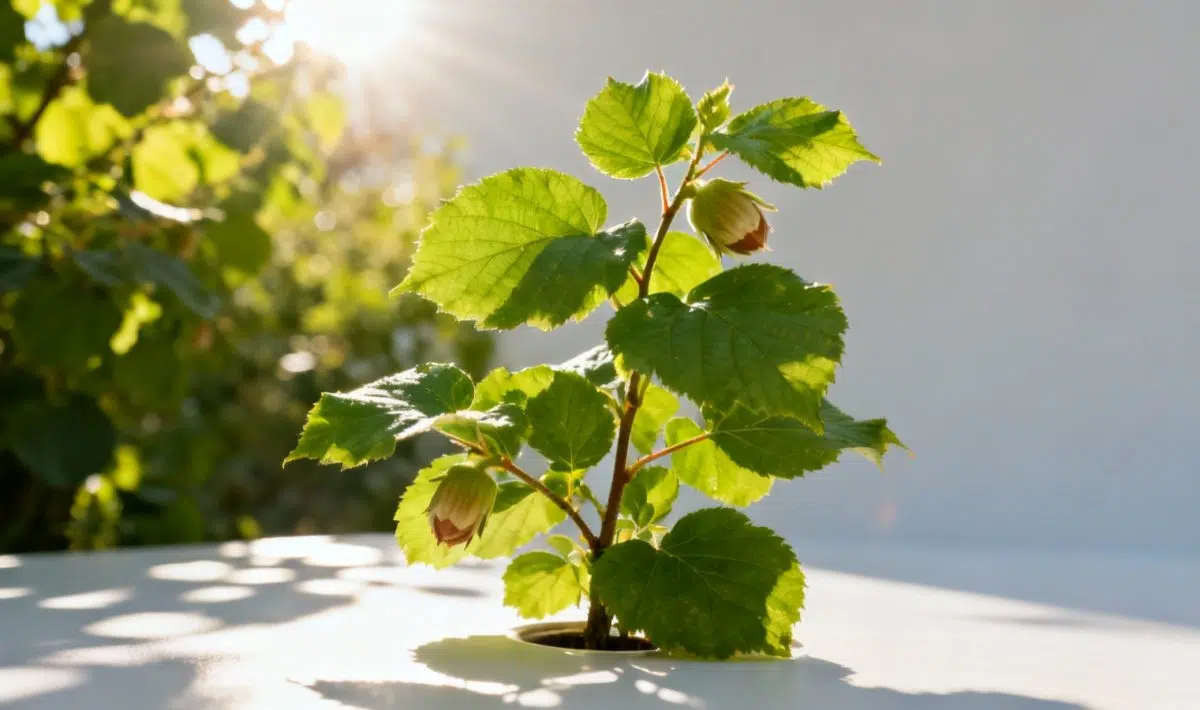
How much sunlight does common hazel need for optimal growth
Growing common hazel trees successfully starts with understanding their sunlight needs. These versatile fruit trees are quite adaptable when it comes to light conditions, but knowing their preferences will help you make the most of your garden space. Whether you’re planning your first orchard or adding to an existing collection, the light requirements for common hazel are more flexible than you might expect.
Understanding the light preferences of common hazel
Common hazel (Corylus avellana) thrives best in full sun to partial shade conditions. Unlike many fruit trees that demand constant bright sunlight, hazel trees show remarkable adaptability to various light environments. They can handle anywhere from full sun exposure to moderate shade, making them excellent choices for gardens with mixed conditions.
The ideal scenario for your hazel tree involves 6-8 hours of direct sunlight daily during the growing season. However, these trees are surprisingly tolerant of shade, capable of producing nuts even with just 4-5 hours of sunlight. This flexibility comes from their natural habitat, where they often grow as understory plants in woodland settings.
Young hazel trees benefit most from consistent sunlight exposure, as it helps establish strong root systems and sturdy growth patterns. The energy from photosynthesis during these early years sets the foundation for healthy fruit production later on.
Seasonal sunlight requirements and tree development
The sunlight needs of your hazel tree change throughout the year and as the tree matures. During spring, when new growth begins, adequate sunlight becomes crucial for leaf development and flower formation. This is also when you’ll notice the catkins appearing, which are essential for pollination.
Summer brings peak growing season, and your tree will appreciate all the light it can get during this time. The long days and intense sunlight help the tree build energy reserves for nut production. Even partial shade during summer won’t prevent fruiting, but full sun will give you the best harvest.
Fall marks the harvest season, and trees that have received adequate sunlight throughout the year will reward you with plump, well-developed nuts. The quality of light exposure directly correlates with nut size and flavor development. Much like how sunlight requirements for common mallow affect their growth, proper lighting ensures your hazel trees reach their full potential.
Adapting to different garden conditions
Not every garden offers perfect full sun conditions, but that doesn’t mean you can’t grow healthy hazel trees. These adaptable plants can work well in partially shaded areas, though you may need to adjust your expectations for nut production. Trees in partial shade typically produce fewer nuts but can still be valuable additions to your landscape.
If you’re working with a predominantly shaded garden, consider selecting hazel varieties specifically known for shade tolerance. Some cultivars perform better in low-light conditions than others, and choosing the right variety can make all the difference in your success.
Strategic placement within your garden can also help maximize available light. Position your hazel trees where they’ll receive morning sun, as this early light is particularly beneficial for photosynthesis. Just as optimal sunlight for common bean varies by location, your hazel’s needs may differ based on your specific climate and garden layout.
Maximizing light exposure for better harvests
Proper pruning plays a vital role in ensuring your hazel trees receive adequate sunlight throughout their canopy. Regular pruning helps open up the tree structure, allowing light to penetrate to lower branches and improve air circulation. This practice becomes more important as your trees mature and develop denser foliage.
The best time for pruning is during the dormant season, typically late winter or early spring before new growth begins. Remove dead, diseased, or crossing branches first, then focus on opening up the center of the tree. This approach helps ensure that all parts of the tree receive some direct sunlight.
Consider your tree’s surroundings when planning for optimal light exposure. Large shade trees, buildings, or fences can significantly impact the amount of sunlight your hazel receives. Sometimes, removing competing vegetation or trimming nearby trees can dramatically improve light conditions for your hazels.
Common challenges with light conditions
Many gardeners worry about providing too little light for their hazel trees, but it’s worth noting that these plants are more forgiving than most fruit trees. They’ve evolved to handle variable light conditions and can adapt to less-than-perfect situations. However, consistently deep shade will eventually affect both growth and nut production.
On the flip side, extremely intense sunlight in very hot climates can sometimes stress hazel trees. If you live in a region with scorching summer temperatures, your trees might actually benefit from some afternoon shade. The key is finding the right balance for your specific climate and conditions.
Observing your trees throughout the growing season will help you understand how they’re responding to their light conditions. Healthy leaf color, steady growth, and good nut production are all signs that your trees are getting adequate sunlight. Similar to how sunlight needs of common yew require careful consideration, monitoring your hazel’s response helps you make necessary adjustments.
Comparing hazel light needs with other garden plants
When planning your garden layout, it’s helpful to understand how hazel trees’ light requirements compare to other plants you might be growing. Hazel trees are generally more shade-tolerant than most fruit trees but less tolerant than many woodland perennials. This makes them excellent transition plants between sunny and shaded areas of your garden.
Their moderate light requirements mean they work well alongside many other garden plants. You can successfully grow shade-loving understory plants beneath mature hazel trees, creating a layered garden ecosystem. Understanding these relationships helps you make the most of your available space.
The adaptability of hazel trees to various light conditions makes them suitable companions for diverse garden plants. Just as mugwort sunlight requirements for growth demonstrate flexibility, hazels can thrive in mixed plantings with varying light needs.
Long-term care and light management
As your hazel trees mature, their relationship with sunlight will evolve. Older trees develop more extensive root systems that can support growth even in somewhat challenging light conditions. However, maintaining good light penetration through proper pruning remains important throughout the tree’s life.
Regular assessment of your garden’s changing light patterns helps ensure your trees continue receiving adequate sunlight. New construction, growing neighboring trees, or changes in your landscape can all affect light availability over time. Being proactive about these changes helps maintain healthy, productive trees.
Consider the long-term growth habits of your hazel trees when initially selecting planting locations. While they start small, mature trees can reach 15-20 feet in height and spread, potentially affecting light conditions for other plants in your garden. Planning ahead prevents future conflicts and ensures all your plants have the light they need to thrive.
Seasonal maintenance for optimal light exposure
Each season brings different opportunities to optimize light conditions for your hazel trees. Spring is the ideal time for major pruning work, allowing you to shape the tree and improve light penetration before the growing season begins. This timing also helps you avoid disturbing birds that might be nesting in the branches.
Summer maintenance focuses on monitoring growth and making minor adjustments as needed. Remove any suckers or water sprouts that might be blocking light from reaching productive branches. Light summer pruning can also help maintain the tree’s shape and prevent overcrowding.
Fall provides an excellent opportunity to assess how well your light management strategies worked throughout the growing season. The quality and quantity of your nut harvest often reflect the effectiveness of your light optimization efforts. Much like how common asparagus fern sunlight needs require ongoing attention, hazel trees benefit from consistent seasonal care.
Understanding how much sunlight common hazel needs helps you create the ideal growing environment for these rewarding fruit trees. With their adaptable nature and moderate light requirements, hazel trees can succeed in many different garden situations. By providing 6-8 hours of daily sunlight when possible, maintaining good tree structure through pruning, and adapting to your specific garden conditions, you’ll enjoy healthy trees and bountiful nut harvests for years to come.
Allan is a lifelong gardening enthusiast who still gets excited when the first seedlings pop up in spring. With a deep love for nature and a hands-in-the-soil approach, he shares practical tips, plant discoveries, and clever tricks picked up over years of digging, planting, and observing. Whether you’re a new gardener or have a shed full of tools, Allan writes like a neighbor who’s always happy to swap cuttings and stories over the fence.
You can find more about Allan’s work on Malt or connect with him on LinkedIn.