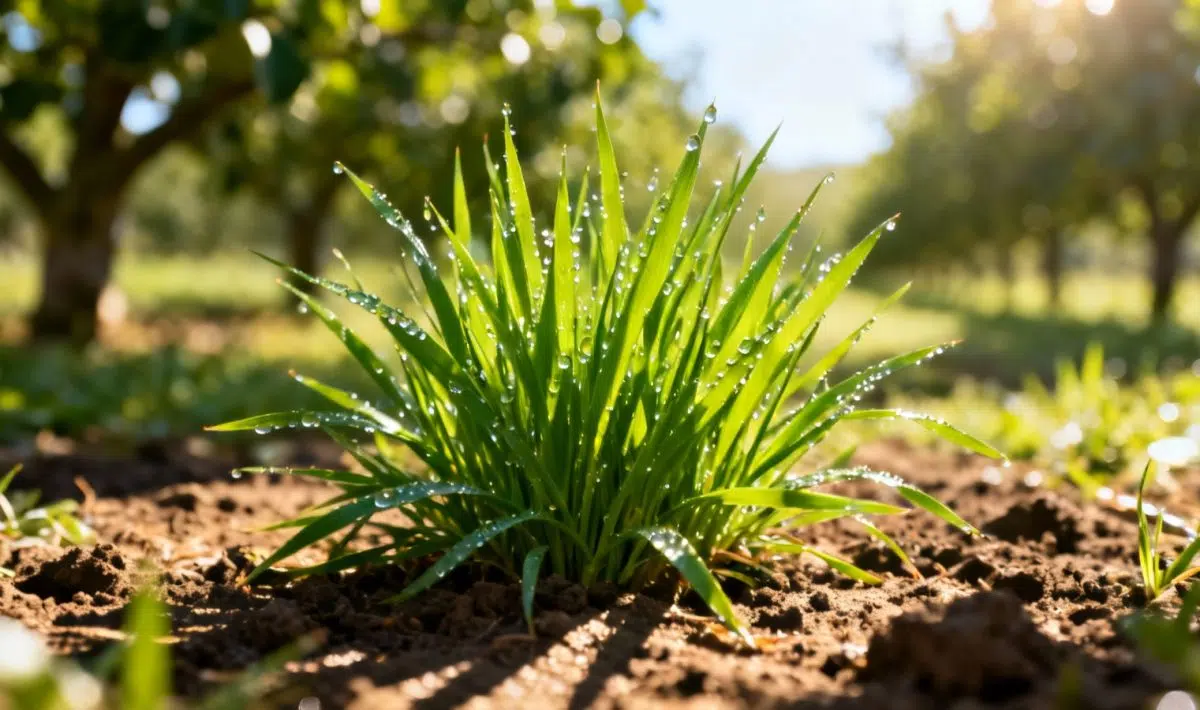
How much sunlight does orchard grass need for optimal growth
Understanding how much sunlight orchard grass needs is crucial for anyone planning to establish this versatile perennial in their landscape. This cool-season grass stands out from many other varieties due to its remarkable adaptability to varying light conditions. Whether you’re a homeowner looking to create a durable lawn or a farmer seeking reliable forage, orchard grass offers unique advantages that make it worth considering for your project.
Understanding orchard grass and its light requirements
Orchard grass (*Dactylis glomerata*) is a hardy perennial that belongs to the cool-season grass family. Unlike many grasses that demand full sun exposure, this species demonstrates exceptional tolerance to partial shade conditions. Research conducted over a three-year season in Missouri revealed that orchard grass can maintain its productivity even when sunlight is reduced by 33 percent, making it an ideal choice for areas with limited direct sunlight.
This grass forms distinctive clumps rather than spreading uniformly, which allows it to coexist effectively with other plants in mixed plantings. The recommended approach for most gardens involves providing at least four to six hours of direct sunlight daily, though the plant can thrive with less. For those interested in understanding sunlight needs of other garden plants, the sunlight requirements for potato plants offer an interesting comparison of how different species adapt to varying light conditions.
Optimal growing conditions for orchard grass
The first consideration when establishing orchard grass is selecting an appropriate location. This species performs best in areas that receive morning sun followed by afternoon shade, particularly during the hottest months of the growing season. The maintenance requirements remain relatively low compared to other grass varieties, making it a practical choice for busy homeowners.
Temperature plays a crucial role in determining light needs throughout the year. During cooler months, orchard grass can utilize available sunlight more efficiently, while summer heat may require some protection from intense afternoon rays. This adaptation mechanism helps explain why the species thrives in mixed plantings where taller companion plants provide natural shade during peak heat periods.
Soil preparation complements proper light exposure for optimal results. Well-draining soil with a pH between 6.0 and 7.0 supports healthy root development, which in turn helps the grass make the most of available sunlight. Adding organic matter before planting creates an environment where the grass can establish quickly and begin photosynthesizing effectively.
Seasonal considerations for light exposure
Spring represents the ideal time for establishing new orchard grass plantings. During this season, moderate temperatures and increased daylight hours provide perfect conditions for germination and early growth. The grass can take advantage of longer days without the stress of extreme heat that comes later in the year.
Summer management requires careful attention to light and water balance. While orchard grass tolerates shade better than many alternatives, providing adequate moisture becomes more critical when sunlight is limited. The combination of proper hydration and strategic light exposure helps maintain healthy growth throughout the warmest months. Those growing other shade-tolerant plants might find parallels with optimal sunlight for coriander growth patterns during similar seasons.
Fall offers another excellent opportunity for planting, as cooler temperatures reduce stress on new seedlings while still providing sufficient daylight for establishment before winter dormancy. This timing allows the grass to develop strong root systems that will support vigorous growth when spring returns.
Maximizing light efficiency for better growth
Strategic placement within your landscape can significantly improve light utilization. Consider positioning orchard grass near deciduous trees that provide summer shade but allow winter sunlight to reach the ground. This natural seasonal adjustment helps the grass receive optimal light throughout the year without requiring constant management intervention.
Companion planting offers additional benefits for light management. Legumes such as clover can be mixed with orchard grass to create a diverse ground cover that makes efficient use of available sunlight while improving soil fertility. The clumping growth habit of orchard grass allows space for these companions without excessive competition.
Regular monitoring helps ensure your grass receives adequate light for healthy development. Signs of insufficient sunlight include thin, weak growth and poor color development. If these symptoms appear, consider removing overhanging branches or relocating nearby plants that may be blocking essential light. Understanding how other plants manage similar challenges, such as sunlight needs of English oak, can provide valuable insights for your overall landscape planning.
Common challenges and solutions
One frequent challenge involves balancing shade tolerance with adequate light for healthy growth. While orchard grass accepts partial shade, too little sunlight can result in weak, spindly plants that struggle to compete with weeds. The recommended solution involves providing at least four hours of direct sunlight daily, supplemented by bright indirect light for the remainder of the day.
Excessive shade from structures or evergreen trees requires creative solutions. Installing reflective surfaces or pruning nearby vegetation can increase available light without relocating established grass areas. These techniques prove particularly valuable in urban settings where space limitations make repositioning difficult.
Competition from weeds often increases in shaded areas where grass growth slows. Maintaining proper soil fertility and adequate moisture helps orchard grass remain competitive even under challenging light conditions. Regular overseeding in thin areas prevents weeds from gaining a foothold in your established planting.
Practical tips for successful establishment
Timing your planting efforts around seasonal light patterns improves success rates significantly. Early spring planting takes advantage of moderate temperatures and increasing daylight hours, while fall establishment benefits from reduced heat stress and adequate moisture from seasonal rains.
Soil preparation before planting sets the foundation for effective light utilization. Working organic matter into heavy clay soils improves drainage and root penetration, allowing the grass to access nutrients more efficiently and make better use of available sunlight. This preparation proves especially important in partially shaded locations where growth may be naturally slower.
Watering practices should complement light conditions rather than work against them. Deep, infrequent watering encourages root development that helps the grass maximize photosynthesis during available sunny periods. Shallow, frequent watering can lead to surface rooting that makes plants more vulnerable to stress during periods of limited sunlight. For gardeners working with other sun-sensitive plants, understanding growing scarlet beebalm in sunlight requirements can provide additional perspective on managing mixed plantings effectively.
Long-term maintenance strategies
Fertilization schedules should account for reduced photosynthesis in shaded areas. Lighter, more frequent applications often work better than heavy seasonal feeding when sunlight is limited. This approach prevents excessive soft growth that could make plants more susceptible to disease in humid, shaded conditions.
Mowing height adjustments help optimize light capture in partially shaded locations. Maintaining grass at slightly taller heights increases leaf surface area for photosynthesis while reducing stress on plants already coping with limited sunlight. This technique proves particularly valuable during summer months when light quality may be further reduced by atmospheric conditions.
Annual overseeding helps maintain density in areas where reduced light naturally slows growth and recovery. Adding fresh seed each fall ensures continued coverage and prevents bare spots that invite weed invasion. The process also provides opportunities to introduce improved varieties that may offer better shade tolerance or disease resistance. Those interested in how different plant species adapt to varying light conditions might explore Arabian jasmine sunlight requirements for comparison with grass adaptation strategies.
Understanding the relationship between sunlight and orchard grass growth empowers you to make informed decisions about placement, care, and long-term management. This remarkable grass species offers flexibility that many alternatives cannot match, making it an excellent choice for challenging sites where other options might struggle. Whether you’re establishing a new lawn or renovating existing areas, orchard grass can provide reliable results when its light requirements are properly understood and managed. For those working with diverse plant collections, exploring ideal sunlight for tree aeonium demonstrates how different species have evolved unique strategies for maximizing available light resources.
Allan is a lifelong gardening enthusiast who still gets excited when the first seedlings pop up in spring. With a deep love for nature and a hands-in-the-soil approach, he shares practical tips, plant discoveries, and clever tricks picked up over years of digging, planting, and observing. Whether you’re a new gardener or have a shed full of tools, Allan writes like a neighbor who’s always happy to swap cuttings and stories over the fence.
You can find more about Allan’s work on Malt or connect with him on LinkedIn.