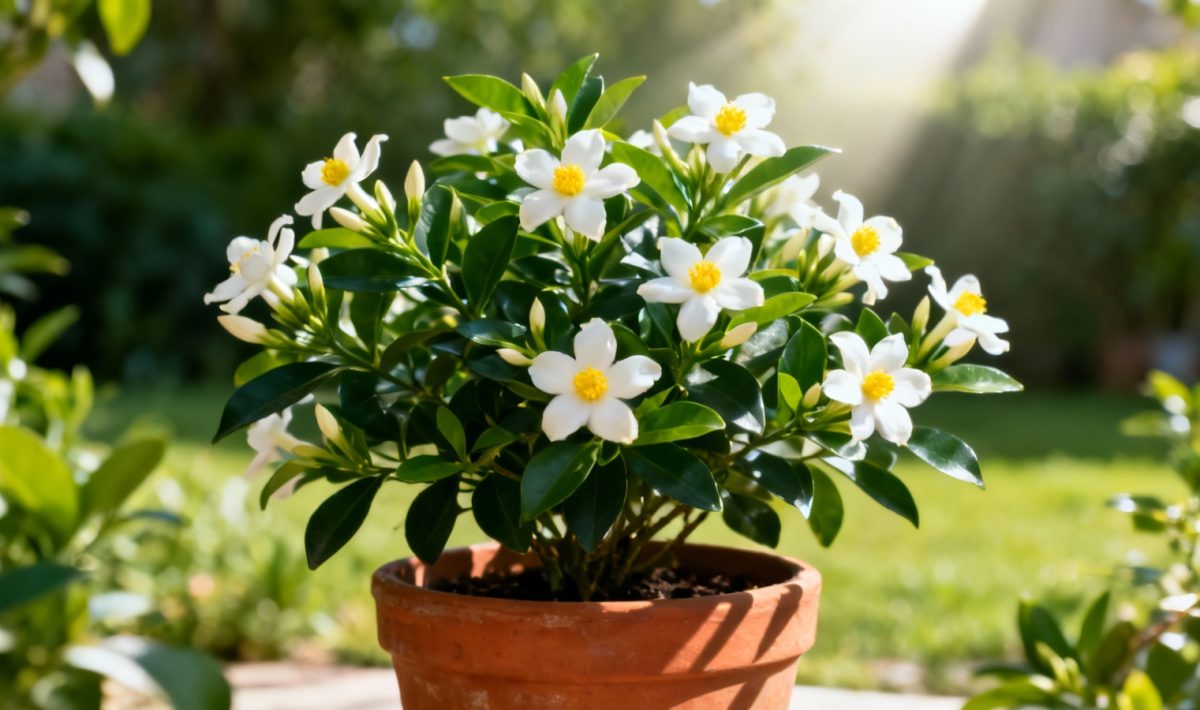
How much sunlight does Arabian jasmine need for healthy growth
Arabian jasmine, scientifically known as Jasminum sambac, is one of those delightfully fragrant plants that can transform any garden or indoor space with its sweet-scented blooms. However, getting the lighting conditions just right is absolutely crucial for this tropical beauty to thrive and produce those gorgeous white flowers we all adore.
When it comes to sunlight, Arabian jasmine has pretty specific needs that you’ll want to get right from the start. This tropical plant requires at least 4 hours of direct sunlight daily for good growth, though it performs best with even more exposure. The key is finding that sweet spot where your plant gets enough light to flourish without getting scorched.
In its native tropical habitat, Jasminum sambac naturally receives abundant bright light filtered through other vegetation. This means while they love sunshine, they can also tolerate some partial shade during the hottest parts of the day. Think of it as wanting a nice bright spot with protection from the most intense afternoon rays.
Optimal light conditions for healthy growth
For the absolute best results with your Arabian jasmine, aim for 6 to 8 hours of bright light daily. Morning sun is particularly beneficial, as it provides the energy your plant needs without the harsh intensity of midday heat. An east-facing location is often perfect, giving your jasmine that gentle morning glow while protecting it from scorching afternoon sun.
Indoor growers should place their plants near south or west-facing windows where they can soak up maximum light. Just like how sunlight requirements for Arabian coffee plants need careful consideration, your jasmine will reward proper placement with vigorous growth and abundant flowering.
Seasonal lighting considerations
During spring and summer, your Arabian jasmine will be in its prime growing season and can handle more direct sunlight. This is when you’ll see the most prolific flowering, as the combination of warm temperatures and ample light triggers the plant’s natural blooming cycle. Keep the soil consistently moist during these months, as increased light means higher water needs.
Winter brings different challenges, particularly for indoor plants. Shorter days and weaker sunlight can stress your jasmine, so you might need to supplement with grow lights. Position them about 12 inches above the plant and run them for 12-14 hours daily to maintain healthy growth through the darker months.
Signs your jasmine needs more or less light
Your plant will tell you quite clearly if it’s happy with its current light situation. When Arabian jasmine gets sufficient sunlight, you’ll notice compact, bushy growth with deep green leaves and regular flowering. The stems will be strong and well-developed, supporting the weight of those beautiful blooms.
Too little light creates a leggy, stretched appearance as the plant reaches desperately for more sunshine. The leaves may turn pale or yellow, and flowering will be sparse or nonexistent. On the flip side, too much intense direct sun can scorch the leaves, causing brown crispy edges and wilting even when the soil is moist.
Adjusting light exposure throughout the year
Summer care often involves providing some afternoon shade, especially in particularly hot climates. A spot that receives morning sun but is protected during the 12-2 PM window works wonderfully. You can achieve this with strategically placed taller plants or a simple shade cloth.
For container-grown plants, mobility is your friend. Move your jasmine to capture optimal light as seasons change, similar to how you might adjust optimal sunlight for growing potatoes in different garden locations. This flexibility allows you to provide perfect conditions year-round.
Indoor vs outdoor lighting strategies
Indoor jasmine cultivation requires extra attention to light quality and duration. While natural window light is preferred, supplement with full-spectrum grow lights during winter months or if your windows don’t provide adequate brightness. LED grow lights are particularly effective and energy-efficient for tropical plants like jasmine.
Outdoor plants have the advantage of natural seasonal rhythms but need protection from extreme conditions. In very hot climates, morning sun with afternoon shade prevents stress while maintaining the light levels needed for robust growth and flowering.
Propagation and young plant care
When starting new plants from cuttings, lighting becomes even more critical. Young jasmine plants are more sensitive to light extremes, so begin with bright indirect light and gradually increase exposure as roots develop. This gentle approach ensures healthy establishment without shocking the delicate new growth.
Root development actually benefits from consistent, moderate light rather than intense direct sun. Keep your cuttings in a warm, humid environment with bright but filtered light for the best results. This mirrors how ideal sunlight for coriander plants requires careful balance during germination stages.
Troubleshooting common light-related problems
Yellowing leaves often indicate either too much intense sun or insufficient light overall. Check the pattern – leaves turning yellow from the bottom up usually suggests inadequate light, while crispy, brown-edged leaves that yellow suddenly point to sun damage. Adjust placement accordingly and give your plant time to recover.
Poor flowering despite healthy foliage typically means your jasmine isn’t getting enough light to trigger blooming. Increase daily light exposure gradually, ensuring your plant receives at least 6 hours of bright light. Remember that flowering also depends on proper nutrition and watering alongside adequate sunlight.
Creating the perfect growing environment
The ideal setup combines bright light with good air circulation and appropriate humidity. Position your jasmine where it receives morning sun but has some protection during peak heat hours. Ensure good drainage in the soil, as plants receiving ample sunlight will need more frequent watering to prevent stress.
Consider companion planting with other light-loving species to create a mini tropical paradise. Just as sunlight needs of tree aeonium inform proper garden design, understanding jasmine’s requirements helps you create harmonious plant groupings.
With proper attention to sunlight requirements, your Arabian jasmine will reward you with months of incredible fragrance and stunning white blooms. The key is observing your plant’s responses and adjusting conditions as needed, ensuring it receives that perfect balance of light and protection that keeps it thriving year after year.
Allan is a lifelong gardening enthusiast who still gets excited when the first seedlings pop up in spring. With a deep love for nature and a hands-in-the-soil approach, he shares practical tips, plant discoveries, and clever tricks picked up over years of digging, planting, and observing. Whether you’re a new gardener or have a shed full of tools, Allan writes like a neighbor who’s always happy to swap cuttings and stories over the fence.
You can find more about Allan’s work on Malt or connect with him on LinkedIn.