
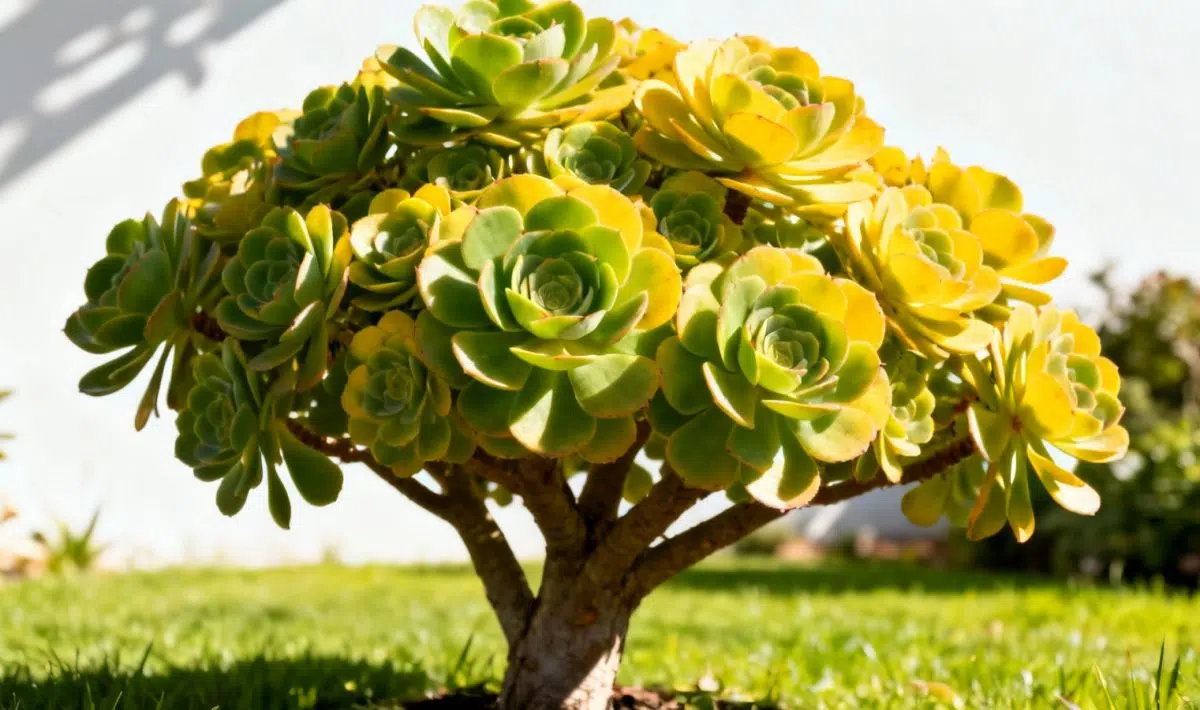
Understanding tree aeonium’s sunlight requirements
Tree aeonium, with its beautiful rosette formation and stunning architectural presence, thrives when you provide the right amount of sunlight. This magnificent succulent needs approximately 4 to 6 hours of direct morning sunlight daily, or alternatively, 6 to 8 hours of bright indirect light. Getting this balance right will reward you with vibrant foliage colors and healthy growth patterns that make this plant a true showstopper in any collection.
The key to successful aeonium care lies in understanding that these plants are naturally adapted to Mediterranean climates. They’ve evolved to handle intense sunlight, but they also appreciate some protection from the harshest afternoon rays. When you’re deciding where to place your tree aeonium, consider that morning light is gentler and more beneficial than the scorching afternoon sun.
What makes sunlight so important for aeonium
Sunlight serves multiple crucial functions for your tree aeonium’s health and development. First, it drives photosynthesis, the process that allows your plant to create energy from light and carbon dioxide. Without adequate light, your aeonium will struggle to produce the sugars it needs for growth and maintenance.
Additionally, proper lighting helps maintain the plant’s compact, attractive form. When tree aeoniums don’t receive enough light, they tend to stretch or become leggy, losing their characteristic dense rosette structure. The beautiful colors that make these succulents so appealing also depend heavily on adequate light exposure.
Signs your aeonium needs more sunlight
Your tree aeonium will communicate its lighting needs through various visual cues. If the stems are stretching unusually long between leaf clusters, this indicates the plant is reaching for more light. The technical term for this is etiolation, and it’s one of the most common problems succulent enthusiasts encounter.
Color changes also signal lighting issues. Healthy aeoniums display rich, vibrant hues ranging from deep greens to burgundy or purple tones, depending on the variety. When light is insufficient, these colors fade to pale green or yellow-green, and the overall plant appears less robust and attractive.
Optimal placement strategies for maximum light exposure
Finding the perfect spot for your tree aeonium requires some experimentation and observation. South-facing windows typically provide the most consistent light throughout the day, making them ideal for indoor placement. However, you’ll want to monitor the intensity, as glass can sometimes intensify heat and potentially cause leaf burn.
For outdoor placement, morning sun exposure is preferable to afternoon sun in most climates. The gentler morning rays provide energy without the risk of scorching that comes with intense midday heat. This approach mimics the natural conditions where aeoniums thrive in their native habitat.
Just as different plants have varying needs – much like how sunlight requirements for cabbage trees differ from succulents – your aeonium’s specific requirements may vary slightly based on your local climate conditions.
Indoor vs outdoor light considerations
Indoor cultivation presents unique challenges for providing adequate sunlight. Windows filter and reduce light intensity, so what appears bright to your eyes may not be sufficient for your plant’s needs. You might need to supplement with grow lights during darker months or if your home lacks bright windows.
Outdoor growing offers more natural light intensity but requires protection from extreme weather. During summer months, some afternoon shade prevents heat stress while still allowing your aeonium to receive ample morning light. This balance is especially important in regions with intense summer heat.
Seasonal adjustments for consistent care
Your tree aeonium’s light requirements shift with the seasons, and adapting your care routine accordingly ensures year-round health. During winter months, when natural light is reduced, you may need to move your plant to a brighter location or closer to windows to compensate for shorter days.
Spring brings renewed growth, and this is when your aeonium will benefit most from increased light exposure. Gradually transitioning outdoor plants from winter protection to full sun prevents shock and allows them to acclimate properly to changing conditions.
Too much direct sunlight can be just as problematic as too little. Leaf scorch appears as brown or white patches on the foliage and indicates that your plant is receiving more intense light than it can handle. This is particularly common when moving plants from indoor to outdoor locations without proper acclimatization.
The solution involves gradual exposure increases rather than sudden changes. Start with an hour or two of direct sunlight and gradually increase the duration over several weeks. This process, called hardening off, helps your aeonium build tolerance to stronger light conditions.
Similar to how crown of thorns sunlight needs require careful management, your tree aeonium benefits from thoughtful light exposure planning.
Creating the ideal microclimate
Sometimes the perfect lighting conditions don’t naturally exist in your space, but you can create them with some creativity. Using reflective surfaces like mirrors or white walls can help bounce additional light onto your plant without increasing heat stress.
For outdoor setups, consider using shade cloth during peak summer months. A 30% shade cloth filters harsh rays while still allowing ample light for healthy growth. This approach is particularly useful in desert climates or areas with intense afternoon sun.
Companion planting can also help create ideal conditions. Taller plants can provide natural shade during the hottest parts of the day while allowing morning and late afternoon light to reach your aeonium. This method works well for garden beds and larger outdoor displays.
Monitoring and adjusting your approach
Regular observation helps you fine-tune your tree aeonium’s light exposure for optimal results. Keep a simple log noting changes in color, growth rate, and overall plant health as you adjust lighting conditions. This record becomes invaluable for understanding what works best in your specific environment.
Photography can be particularly helpful for tracking changes over time. Monthly photos from the same angle and distance clearly show improvements or declines in plant health that might be subtle day-to-day.
Different growing conditions require different approaches, much like how sunlight needs for potatoes vary from ornamental plants, and understanding these nuances helps you become a more successful grower.
Tools for measuring light levels
Light meters, available at garden centers or online, provide objective measurements of the light your plant receives. These devices eliminate guesswork and help you make informed decisions about placement and supplemental lighting needs.
Smartphone apps can also estimate light levels, though they’re generally less accurate than dedicated meters. However, they’re useful for getting a general sense of light distribution throughout your home or garden and identifying the brightest available spots.
Understanding that different plants have unique needs – from coriander’s sunlight preferences to light requirements for dwarf umbrella trees – helps you appreciate why careful attention to your aeonium’s specific requirements matters so much.
Maximizing your tree aeonium’s potential
With proper sunlight management, your tree aeonium will reward you with spectacular growth and coloration. These plants are naturally long-lived and can become impressive specimens when their basic needs are consistently met over time.
Remember that patience is essential when adjusting lighting conditions. Plants typically take several weeks to show responses to environmental changes, so don’t make frequent adjustments. Instead, implement changes gradually and allow time for your plant to adapt before making further modifications.
The effort you invest in providing optimal sunlight conditions pays dividends in the form of a healthy, beautiful plant that becomes a focal point in your collection. With consistent care and attention to lighting needs, your tree aeonium will thrive for many years, potentially even producing the spectacular flower spikes that make these plants truly unforgettable.

Allan is a lifelong gardening enthusiast who still gets excited when the first seedlings pop up in spring. With a deep love for nature and a hands-in-the-soil approach, he shares practical tips, plant discoveries, and clever tricks picked up over years of digging, planting, and observing. Whether you’re a new gardener or have a shed full of tools, Allan writes like a neighbor who’s always happy to swap cuttings and stories over the fence.
You can find more about Allan’s work on Malt or connect with him on LinkedIn.


