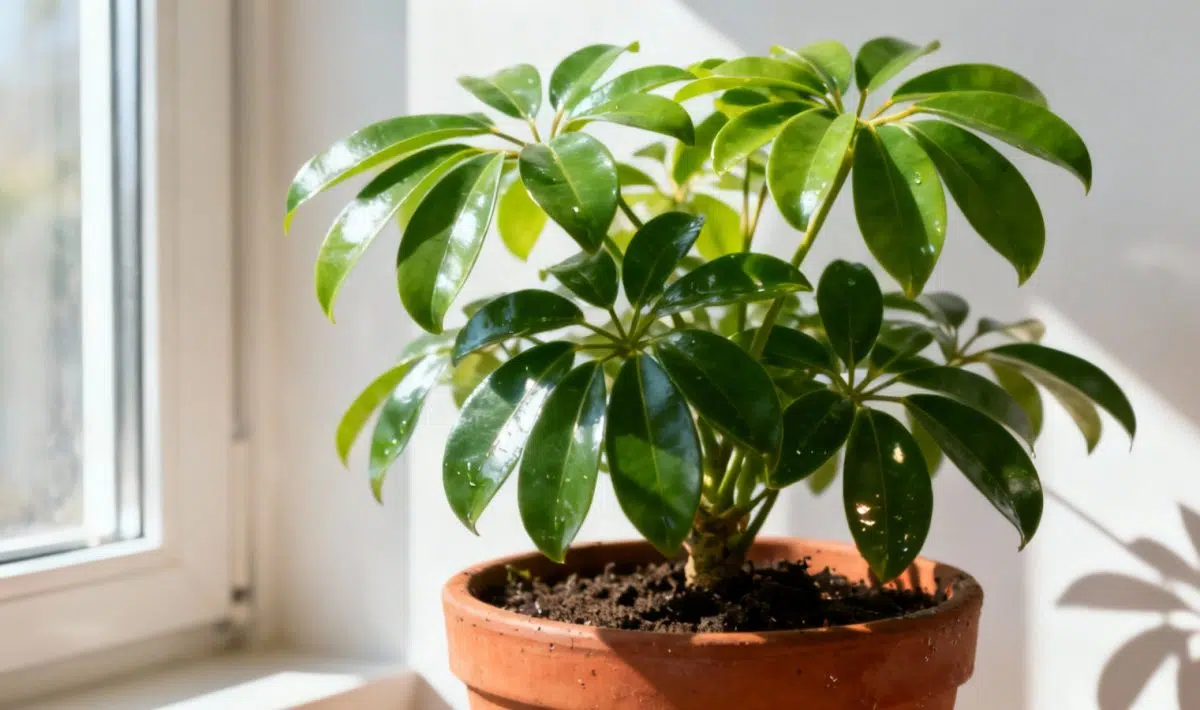
How much sunlight does dwarf umbrella tree need – growing and care tips
When you’re looking to add a beautiful dwarf umbrella tree to your home, understanding how much sunlight does dwarf umbrella tree need becomes essential for successful growing. This popular houseplant, known scientifically as Schefflera arboricola, offers stunning foliage that can transform any indoor space. However, getting the light conditions just right makes all the difference between a thriving plant and one that struggles to grow.
Understanding the dwarf umbrella tree’s sunlight requirements
The dwarf umbrella tree thrives best in bright, indirect sunlight rather than direct exposure. This tropical beauty originally comes from Taiwan and eastern Asia, where it naturally grows under forest canopies with filtered light. In your home, you’ll want to mimic these conditions by placing your plant about 2-3 feet away from a south-facing window or directly near an east or west-facing window.
Direct sunlight can actually harm your dwarf umbrella tree, causing the leaves to develop brown spots or even burn completely. The plant’s glossy green leaves are particularly sensitive to intense rays, so always ensure there’s some form of diffusion between your plant and any strong sunlight. A sheer curtain works perfectly for this purpose.
While researching plant care, you might find it helpful to explore how different species handle light exposure, such as learning about sunlight requirements for cabbage trees to understand various plant lighting needs better.
Ideal lighting conditions for healthy growth
Your dwarf umbrella tree needs approximately 6-8 hours of bright, filtered light daily for optimal growth. The plant can tolerate lower light conditions, but this often results in slower growth and a leggy appearance where the stems stretch toward available light sources. You’ll notice the difference in leaf density and overall plant vigor when proper lighting is provided.
During winter months, when natural light becomes scarce, consider supplementing with artificial grow lights. LED plant lights positioned about 12-18 inches above your dwarf umbrella tree can provide the necessary spectrum for healthy photosynthesis. This approach ensures consistent growth throughout the year, regardless of seasonal changes.
Natural versus artificial lighting options
While natural light remains the best choice for your dwarf umbrella tree, artificial lighting can be very effective when used properly. Full-spectrum LED lights designed for plants work well and consume less energy than traditional fluorescent options. Position these lights to provide even coverage across the entire plant canopy.
The key difference between natural and artificial light lies in intensity and duration. Natural light fluctuates throughout the day, while artificial lights provide consistent output. This consistency can actually benefit your plant’s growth patterns, though you’ll need to monitor for any signs of stress from too much exposure.
Understanding various plant lighting needs can be fascinating, and you might enjoy learning about optimal sunlight for tree of heaven as another example of how different species adapt to their environments.
Growing dwarf umbrella trees from seeds
Starting your dwarf umbrella tree from seeds offers a rewarding experience and typically costs less than buying mature plants. Quality seeds are available from reputable sellers who provide detailed growing instructions and reliable delivery services. When purchasing, always check buyer evaluations and reviews to ensure you’re getting viable seeds from a professional supplier.
Germination typically takes 2-4 weeks under proper conditions, which include warm temperatures around 70-75°F and consistent moisture. The sprouting process requires bright, indirect light similar to mature plants, but seedlings are even more sensitive to direct sunlight exposure.
Seed germination and early care
Place your seeds in a well-draining potting mix and maintain consistent moisture without waterlogging. Cover the container with plastic wrap to create a humid environment, but remove it once sprouting begins. Young seedlings need protection from any direct sunlight and should receive only filtered light for their first few months of growth.
Many successful growers recommend starting with quality seeds from suppliers who package their products well and offer fast shipping. Professional sellers often include growing instructions and provide excellent communication throughout the purchase process. These details make a significant difference in your success rate.
For comparison with other plants you might be growing, consider researching coriander’s sunlight needs to understand how different species have varying requirements even within similar growing conditions.
Common lighting problems and solutions
Too much direct sunlight often causes yellowing or brown patches on leaves, while insufficient light leads to pale coloration and elongated stems. Both conditions can be corrected by adjusting your plant’s position relative to light sources. Monitor your plant’s appearance regularly to catch these issues early.
If you notice your dwarf umbrella tree becoming leggy or losing lower leaves, it’s likely not receiving enough light. Moving the plant closer to a window or adding supplemental lighting usually resolves this problem within a few weeks. The plant’s natural response is quite good once proper conditions are restored.
Purchasing and delivery considerations
When buying dwarf umbrella tree seeds or plants, choose sellers with positive buyer evaluations who demonstrate commitment to sustainable packaging and fast delivery. Well-packaged seeds arrive in better condition and have higher germination rates. Many satisfied customers recommend sellers who provide detailed care instructions and respond quickly to any questions.
Professional suppliers often offer guarantees on their seeds and plants, which provides peace of mind for your purchase. They typically pack their products carefully to prevent damage during shipping and provide tracking information for your order. This level of service makes the growing experience much more pleasant and successful.
Just as different plants have unique needs, you might find it interesting to learn about sunlight for green foxtail growth to expand your understanding of plant care requirements.
Long-term care and maintenance
Once established, your dwarf umbrella tree requires consistent lighting conditions to maintain healthy growth. Seasonal adjustments may be necessary, particularly during winter months when daylight hours decrease. Many growers supplement with artificial lighting during this period to maintain plant vigor.
Regular monitoring helps you identify any changes in your plant’s lighting needs as it grows larger. Mature plants can tolerate slightly lower light levels than younger specimens, but they still perform best with bright, indirect exposure. Rotating your plant occasionally ensures even growth on all sides.
Understanding lighting requirements extends beyond just your dwarf umbrella tree, and exploring sunlight needs of evening-primrose can provide additional insights into how various plants adapt to different light conditions in your garden or home.
With proper lighting and care, your dwarf umbrella tree will reward you with years of beautiful foliage and steady growth. The investment in quality seeds or plants, combined with attention to their specific sunlight requirements, creates a stunning addition to any indoor plant collection. Many growers find this species particularly forgiving once its basic needs are met, making it an excellent choice for both beginners and experienced plant enthusiasts.
Allan is a lifelong gardening enthusiast who still gets excited when the first seedlings pop up in spring. With a deep love for nature and a hands-in-the-soil approach, he shares practical tips, plant discoveries, and clever tricks picked up over years of digging, planting, and observing. Whether you’re a new gardener or have a shed full of tools, Allan writes like a neighbor who’s always happy to swap cuttings and stories over the fence.
You can find more about Allan’s work on Malt or connect with him on LinkedIn.