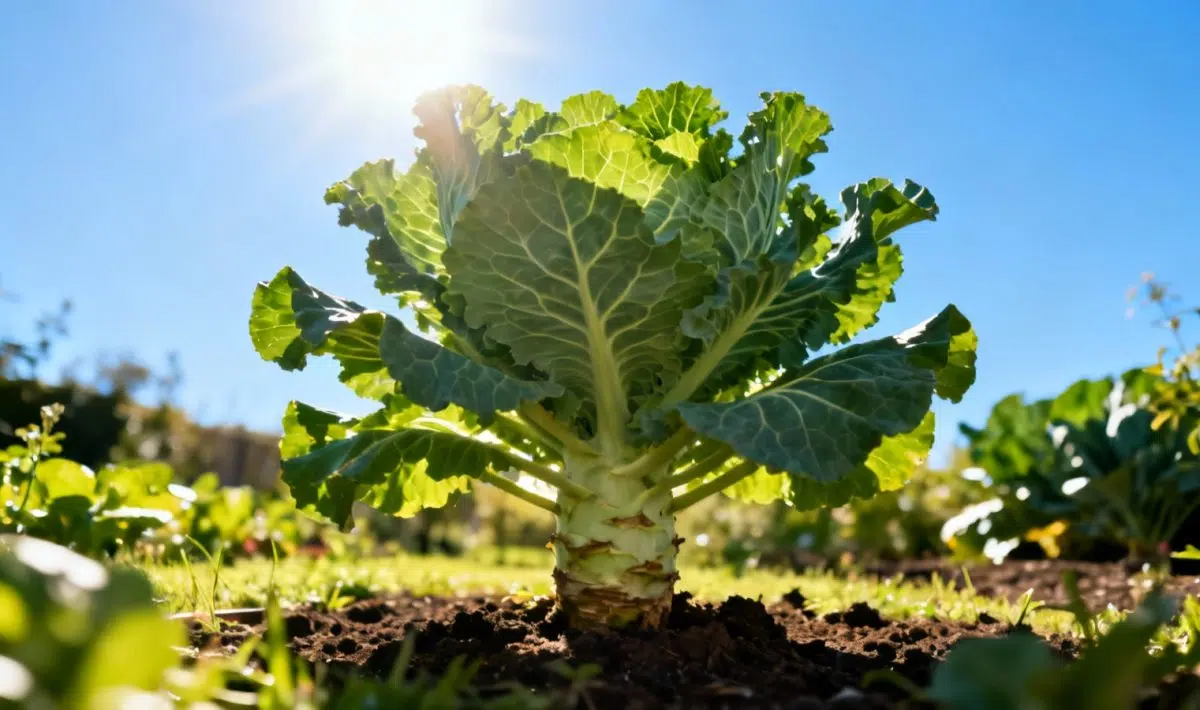
How much sunlight does cabbage tree need for healthy growth
When you’re planning to grow a cabbage tree in your jardin, understanding its sunlight requirements is absolutely crucial for success. The Cordyline australis, commonly known as the cabbage tree, has specific lighting needs that can make or break your gardening experience. Today, let’s dive into exactly how much sunlight does cabbage tree need and what you can do to ensure your plant thrives beautifully.
Understanding the cabbage tree’s natural sunlight requirements
The cabbage tree is a stunning plant that originates from New Zealand, where it naturally grows in bright, sunny environments. This hardy specimen absolutely loves basking in direct sunlight for at least 6 hours daily. During the growing season, your cabbage tree will flourish when it receives plenty of natural light, developing that characteristic compact form and vibrant green feuilles that make it such a popular choice for home gardens.
Unlike some plants that can tolerate partial shade, the cabbage tree really performs best when given maximum sun exposure. When planted in the right spot with adequate sunlight, these plants can reach impressive heights of 8-12 meters in garden settings. The key is understanding that this isn’t just any ordinary houseplant – it’s a tree that needs space and light to truly showcase its natural beauty.
Daily sunlight hours and optimal growing conditions
For the best results, aim to provide your cabbage tree with 6-8 hours of direct sunlight every single day. This consistent exposure helps maintain healthy growth patterns and prevents the leggy, stretched appearance that often occurs with insufficient light. The morning sun is particularly beneficial, so consider placing your plant where it can catch those first rays of the day.
During spring and summer months, when the days are longer, your cabbage tree will naturally receive more light and grow more vigorously. However, you’ll need to monitor the soil moisture levels regularly during these periods, as increased sunlight often means increased water needs. The plant’s root system develops best when it has both adequate light and proper hydration working together.
Similar to how sunlight requirements for tree of heaven vary based on growing conditions, your cabbage tree’s needs may shift slightly depending on your local climate and soil type.
Signs your cabbage tree needs more sunlight
One of the most obvious indicators that your cabbage tree isn’t getting enough light is when it starts developing a stretched, spindly appearance. The stems become longer and weaker as the plant reaches desperately for more light sources. You might also notice that the feuilles lose their vibrant color and become paler than usual.
Another telltale sign is reduced overall growth rate. A healthy cabbage tree in proper lighting conditions should show steady, robust development throughout the growing season. When light is insufficient, the plant conserves energy and growth slows significantly. The spacing between leaf nodes often becomes more pronounced as well, creating that characteristic leggy look that most gardeners want to avoid.
Adjusting placement for better light exposure
If you notice these warning signs, it’s time to reassess your plant’s location. Moving a cabbage tree to a sunnier spot can dramatically improve its health and appearance. For container-grown specimens, this process is relatively straightforward – simply relocate the pot to an area that receives more daily sunlight.
For plants already established in the ground, you might need to consider pruning nearby vegetation that’s blocking light or, in extreme cases, transplanting during the dormant season. Remember that these plants are quite resilient and can handle relocation when done properly and at the right time of year.
Soil preparation and sunlight optimization
The type of soil you use plays a crucial role in how well your cabbage tree utilizes available sunlight. Well-draining soil is essential because waterlogged roots can’t efficiently process the energy created through photosynthesis. Mix in some organic matter to improve soil structure and ensure proper drainage around the root zone.
Just as coriander’s sunlight needs for growth require specific soil conditions to maximize light utilization, your cabbage tree benefits from soil that complements its sun exposure. Sandy loam or well-amended clay soil works wonderfully for these plants.
Consider the natural temperature fluctuations that occur with increased sunlight exposure. Mulching around the base helps regulate soil température while retaining moisture during those hot, sunny days when your plant is working hard to photosynthesize and grow.
Watering and light balance
With increased sunlight comes the need for more frequent watering, but finding the right balance is key. Water your cabbage tree deeply but not too often – this encourages the root system to grow strong and deep. During peak summer months when sunlight is most intense, you may need to water every few days rather than weekly.
The best time to water is early morning, which allows the plant to absorb moisture before the day’s heat intensifies. Avoid watering during the hottest part of the day when much of the water will simply evaporate before reaching the roots. Evening watering can work too, but morning is generally preferred to prevent potential fungal issues.
Unlike optimal sunlight for lucky bamboo, which thrives in lower light conditions, your cabbage tree’s water needs increase proportionally with its light exposure.
Seasonal adjustments and care
As seasons change, so do your cabbage tree’s sunlight requirements and your care routine. During winter months, the plant naturally slows its growth and requires less water, but it still appreciates whatever sunlight is available. If you’re growing your plant indoors or in a greenhouse, consider moving it closer to windows during the darker months.
Spring is the perfect time to assess your plant’s placement and make any necessary adjustments. This is when new growth begins in earnest, and ensuring optimal sunlight exposure during this period sets the stage for a successful growing season ahead.
Maximizing growth potential
To truly maximize your cabbage tree’s potential, combine proper sunlight exposure with regular feeding and pruning when necessary. A monthly application of balanced fertilizer during the growing season supports the increased energy production that comes with adequate light exposure.
Much like sunlight needs of orange coneflower plants, your cabbage tree will reward proper care with impressive growth and stunning visual appeal. Regular monitoring and adjustments ensure your plant continues to thrive year after year.
Remember that patience is key when growing cabbage trees. These plants may start slowly, but with consistent sunlight exposure and proper care, they develop into magnificent specimens that can become the centerpiece of any garden space. The investment in time and attention to their lighting needs pays off handsomely in the long run.
Allan is a lifelong gardening enthusiast who still gets excited when the first seedlings pop up in spring. With a deep love for nature and a hands-in-the-soil approach, he shares practical tips, plant discoveries, and clever tricks picked up over years of digging, planting, and observing. Whether you’re a new gardener or have a shed full of tools, Allan writes like a neighbor who’s always happy to swap cuttings and stories over the fence.
You can find more about Allan’s work on Malt or connect with him on LinkedIn.