
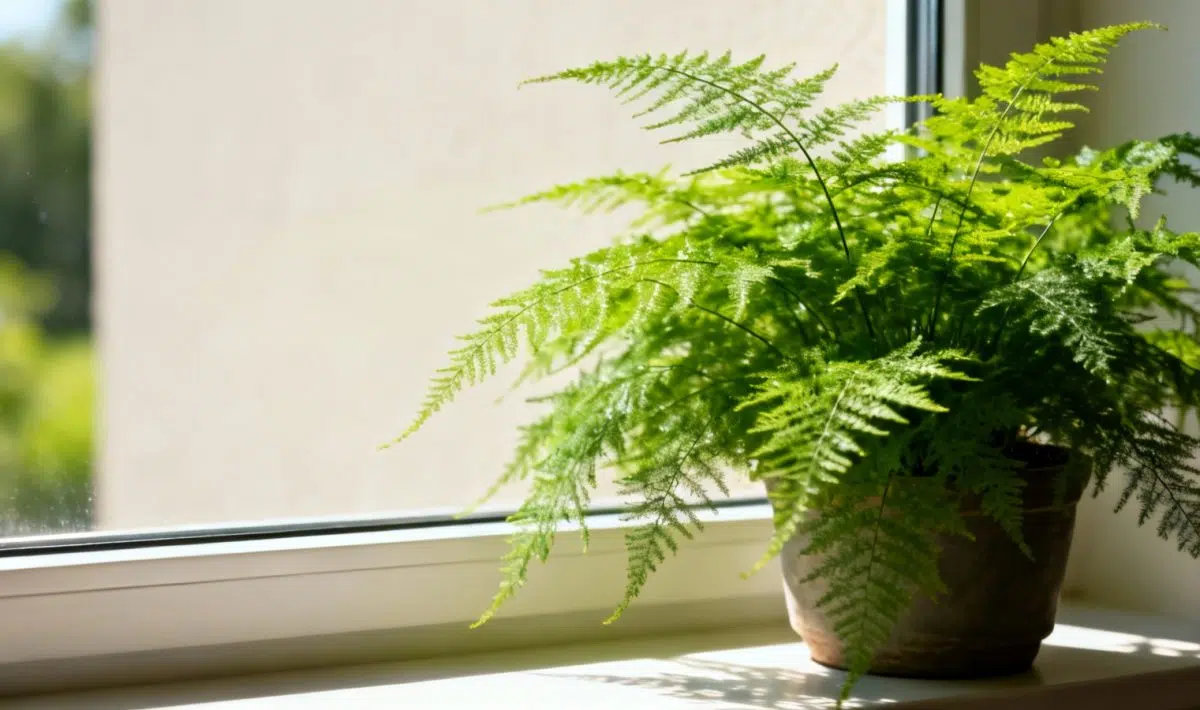
When it comes to growing a beautiful asparagus fern, understanding its light requirements is absolutely crucial for success. This delicate plant has specific needs that, when met properly, will reward you with lush, feathery foliage that adds elegance to any space. Let’s dive into exactly how much sunlight your asparagus fern needs to thrive.
Understanding the asparagus fern’s light preferences
The common asparagus fern (Asparagus setaceus) is quite particular about its lighting conditions. Unlike some plants that can tolerate extreme light conditions, this beauty prefers bright, indirect light for optimal growth. Direct sunlight can actually harm the delicate fronds, causing them to turn brown and crispy.
What makes this plant so special is its ability to adapt to various light conditions while still maintaining its stunning appearance. However, finding that sweet spot between too much and too little light is key to keeping your fern happy and healthy.
The ideal setup involves providing your asparagus fern with approximately 3 to 6 hours of filtered sunlight daily. This can be achieved by placing it near an east-facing window where it receives gentle morning light, or at a distance from south or west-facing windows to avoid harsh afternoon rays.
Indoor vs outdoor light requirements
Indoor asparagus ferns have slightly different needs compared to their outdoor counterparts. Inside your home, they’ll do well in bright, indirect light near a window but not directly in the sun’s path. A spot that receives filtered light throughout the day is perfect for maintaining that vibrant green color.
For outdoor cultivation, particularly in USDA zones 9-11, asparagus ferns can handle more direct sunlight. They actually become more compact and dense when grown in partial sun outdoors. However, even outdoor plants benefit from some protection during the hottest part of the day.
The key difference lies in the plant’s ability to gradually acclimate to outdoor conditions. When transitioning an indoor fern outside, it’s essential to introduce it slowly to prevent shock. Start with a few hours of morning sun and gradually increase exposure over several weeks.
Signs your asparagus fern is getting the right amount of light
A happy asparagus fern will show you clear signs that it’s receiving the perfect amount of light. The fronds should be a vibrant green color, full and bushy rather than sparse or leggy. New growth should appear regularly, and the plant should maintain its compact, attractive shape.
When conditions are ideal, you’ll notice the plant’s needle-like foliage remains soft and pliable. The overall appearance should be lush and full, with branches growing evenly throughout the plant rather than reaching desperately toward a light source.
What happens with too much sunlight?
Excessive sunlight can quickly damage your asparagus fern’s delicate foliage. The most obvious sign is browning or yellowing of the fronds, starting with the tips and edges. This burning effect can spread rapidly if the plant isn’t moved to a more suitable location.
Another indicator of too much light is when the plant appears dried out despite regular watering. The intense rays can cause rapid moisture loss, making it difficult to maintain proper hydration levels even with consistent care.
Just as different plants have varying needs – much like understanding sunlight requirements for common beans – your asparagus fern requires specific attention to its lighting preferences to avoid these damaging effects.
Optimizing light conditions for your asparagus fern
Creating the perfect lighting environment doesn’t have to be complicated. Start by observing how light moves through your space throughout the day. The ideal spot will receive bright light without direct sun exposure during the most intense hours (typically 10 AM to 4 PM).
Consider using sheer curtains or blinds to filter harsh sunlight if your windows receive intense direct light. This simple solution can transform a too-bright location into the perfect spot for your fern. The goal is to create that soft, diffused light that mimics the plant’s natural forest floor habitat.
For those growing asparagus ferns in lower light conditions, you might need to supplement with artificial lighting. LED grow lights can provide the necessary intensity without generating excessive heat that could stress the plant.
Seasonal adjustments for optimal growth
Throughout the year, you’ll need to make small adjustments to accommodate changing light conditions. During summer months, you might need to move your fern slightly further from windows or add more filtering to prevent sun damage.
Winter typically brings weaker sunlight, so you may need to move your plant closer to windows or consider supplemental lighting. This is particularly important in northern climates where daylight hours are significantly reduced during winter months.
Monitoring your plant’s response to these seasonal changes will help you fine-tune its placement. Just as you might research sunlight needs of common yew for outdoor gardening, paying attention to your asparagus fern’s specific responses will guide your care decisions.
Common mistakes to avoid
One frequent error is assuming that because asparagus ferns can tolerate some direct sun outdoors, they can handle it indoors too. Indoor conditions are quite different, and the concentrated light through windows can be more intense than outdoor filtered sunlight.
Another mistake is placing the plant too far from any light source. While asparagus ferns don’t need direct sun, they do need bright conditions to maintain their health and appearance. A dark corner will result in weak, spindly growth and eventual decline.
Failing to rotate your plant periodically can also lead to uneven growth. Turn your fern a quarter turn every week or so to ensure all sides receive equal light exposure, promoting balanced, full growth throughout the plant.
If your asparagus fern starts showing signs of stress, light is often the culprit. Yellowing fronds that drop off can indicate either too much direct sunlight or insufficient light altogether. The key is observing when and how the yellowing occurs.
Leggy growth with sparse foliage typically signals insufficient light. In this case, gradually move your plant to a brighter location, but avoid sudden changes that could shock the plant. Similar to how you’d approach sunlight for vibrant zinnia blooms, gradual adjustments work best.
Brown, crispy fronds usually indicate too much direct sunlight or low humidity combined with bright light. Move the plant to a location with filtered light and consider increasing humidity around the plant with a pebble tray or humidifier.
Creating the perfect growing environment
Beyond just light considerations, creating an ideal environment involves balancing several factors. Humidity plays a crucial role alongside proper lighting – asparagus ferns appreciate humidity levels between 40-50%.
Good air circulation is also important, especially in bright locations where heat can build up. A gentle breeze from a ceiling fan or open window can help prevent heat stress while maintaining the bright conditions your fern craves.
Temperature stability works hand in hand with proper lighting. Avoid placing your fern near heat sources like radiators or air conditioning vents, even if the light conditions seem perfect in those locations.
Long-term care for healthy growth
Consistent lighting is just one aspect of successful asparagus fern care, but it’s fundamental to everything else. When your plant receives proper light, it’s better able to process nutrients, maintain proper hydration, and resist pest problems.
Regular monitoring becomes easier when you understand your plant’s light preferences. You’ll quickly notice when something seems off and can make adjustments before problems become serious. This proactive approach keeps your fern looking its best year-round.
Consider keeping a simple care log noting light conditions, especially when you make changes to your plant’s location. This record helps you identify what works best in your specific environment and can guide future care decisions.
Propagation and light considerations
When propagating asparagus ferns, young plants have slightly different light needs than mature specimens. New growth is more sensitive to intense light, so providing gentle, filtered conditions during the establishment period is crucial for success.
Just as you’d consider specific requirements when learning about coriander’s sunlight requirements, young asparagus fern plants need careful attention to their developing light tolerance.
Gradually increasing light exposure as the plants mature helps them develop strong, healthy growth patterns that will serve them well throughout their lives.
Maximizing your asparagus fern’s potential
With proper light management, your asparagus fern can become a stunning focal point in your home or garden. These plants have the potential to grow quite large and impressive when their needs are consistently met over time.
Understanding that light requirements can vary slightly between different varieties helps you fine-tune care for your specific plant. Some cultivars may be slightly more tolerant of direct sun, while others prefer even more filtered conditions.
The reward for getting the lighting right is a plant that not only survives but truly thrives, developing the full, lush appearance that makes asparagus ferns so desirable. Much like understanding optimal sunlight for European ash trees in landscape settings, proper light management unlocks your plant’s full potential.
Remember that gardening is often about patience and observation. Your asparagus fern will communicate its needs through its appearance and growth patterns. By staying attentive to these signals and maintaining consistent, appropriate lighting conditions, you’ll enjoy a beautiful, healthy plant that brings natural elegance to your space for years to come.
Whether you’re growing this lovely fern alongside other light-loving plants or featuring it as a standalone specimen, understanding its specific sunlight requirements is the foundation of successful care. With the right approach, similar to researching sunlight needs for purple amaranth for diverse garden planning, you’ll discover that meeting these needs becomes second nature, and your asparagus fern will reward your efforts with spectacular growth and beauty.

Allan is a lifelong gardening enthusiast who still gets excited when the first seedlings pop up in spring. With a deep love for nature and a hands-in-the-soil approach, he shares practical tips, plant discoveries, and clever tricks picked up over years of digging, planting, and observing. Whether you’re a new gardener or have a shed full of tools, Allan writes like a neighbor who’s always happy to swap cuttings and stories over the fence.
You can find more about Allan’s work on Malt or connect with him on LinkedIn.


