
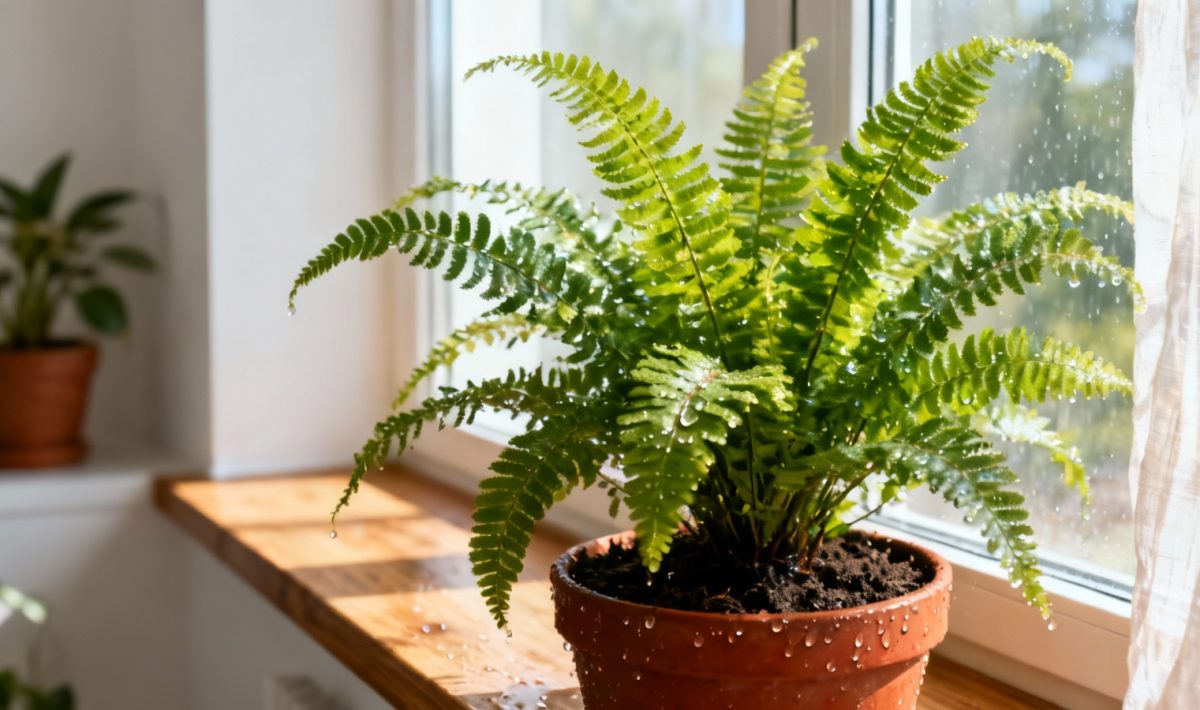
The Boston fern (Nephrolepis exaltata) stands as one of the most beloved indoor plants, bringing a touch of tropical elegance to any space. With its graceful, arching fronds and vibrant green foliage, this remarkable fern has captured the hearts of plant enthusiasts worldwide. Whether you’re a beginner or experienced gardener, understanding the proper care for this stunning plant will reward you with lush, healthy growth year-round.
Characteristics and origin of Boston fern
Native to tropical and subtropical regions, the Boston fern displays distinctive features that make it instantly recognizable. Its long, pendulous fronds can reach impressive lengths of 60-90 cm under optimal conditions, creating a dramatic cascading effect perfect for hanging baskets or elevated planters. The fern’s delicate leaflets are arranged alternately along sturdy rachises, giving each frond its characteristic feathery appearance.
This resilient plant belongs to the Nephrolepidaceae family and naturally thrives in humid forest understories. The Boston variety, specifically Nephrolepis exaltata ‘Bostoniensis’, emerged as a spontaneous mutation discovered in a Boston shipment in 1894. Since then, numerous cultivars have been developed, each offering unique characteristics like different frond textures, sizes, or growth patterns.
One fascinating aspect of fern cultivation relates to traditional plant care methods, much like how gardeners approach care for apricot trees effectively with specific seasonal requirements. Boston ferns require consistent attention throughout the year, though their needs vary with changing seasons.
Essential care requirements for thriving Boston ferns
Light and positioning
Boston ferns flourish in bright, indirect light conditions. Direct sunlight can quickly scorch their delicate fronds, causing brown tips and yellowing. Position your fern near a north-facing window or several feet away from east or west-facing windows. Fluorescent lighting also works well for indoor cultivation, making these plants ideal for offices or rooms with limited natural light.
The ideal light intensity ranges between 1,000-2,500 foot-candles. If you notice slow growth or pale fronds, your fern likely needs more light. Conversely, brown or crispy leaf edges often indicate excessive light exposure.
Watering and humidity management
Proper watering represents the most critical aspect of Boston fern care. These plants prefer consistently moist soil but never waterlogged conditions. Water when the top inch of soil feels dry, typically every 3-5 days during growing season. Use room-temperature water and ensure thorough drainage to prevent root rot.
Humidity levels between 50-80% create the perfect environment for Boston ferns. In dry indoor conditions, consider these humidity-boosting strategies:
- Place pebble trays filled with water beneath the pot
- Use a humidifier in the immediate area
- Group plants together to create a microclimate
- Mist the air around the plant (not directly on fronds)
Temperature and air circulation
Boston ferns prefer moderate temperatures between 16-24°C (60-75°F). They struggle in temperatures below 10°C (50°F) and above 27°C (80°F). Avoid placing them near heating vents, air conditioners, or drafty areas that cause temperature fluctuations.
Good air circulation prevents fungal issues while supporting healthy growth. However, avoid strong drafts that can dry out the fronds quickly. A gentle fan on low speed can provide adequate air movement without causing stress.
Culture and propagation methods
Soil requirements and repotting
Boston ferns thrive in well-draining, peat-based potting mix with good moisture retention. A blend of peat moss, perlite, and vermiculite creates an ideal growing medium. The soil pH should range between 5.0-6.5 for optimal nutrient uptake.
Repot your Boston fern every 1-2 years or when roots become pot-bound. Choose a container only slightly larger than the current pot, as these plants prefer to be somewhat root-bound. Fresh soil provides renewed nutrients and improved drainage.
Propagation techniques
Boston ferns can be propagated through several methods, with division being the most reliable approach. During repotting, carefully separate the root ball into smaller sections, ensuring each division has both roots and fronds. Plant each section in appropriate potting mix and maintain high humidity during establishment.
Runner propagation offers another effective method. Boston ferns produce stolons (runners) with small plantlets that can be rooted while still attached to the parent plant. Once roots develop, cut the connection and transplant the new fern. This process requires patience but yields excellent results.
Just as different plants require specific propagation methods, similar to techniques used in best practices for cucumber cultivation, Boston ferns benefit from consistent moisture and warmth during the rooting process.
Common problems and solutions
Brown fronds and leaf drop
Brown fronds typically indicate watering issues, low humidity, or natural aging. Remove brown fronds at soil level to encourage new growth. If browning occurs rapidly, check your watering schedule and humidity levels. Gradual browning of older fronds is normal as the plant redirects energy to new growth.
Pest management
Common pests affecting Boston ferns include scale insects, mealybugs, and spider mites. Regular inspection helps catch infestations early. Treat minor problems with insecticidal soap or neem oil applications. For severe infestations, isolate the plant and use systemic treatments as directed.
Much like maintaining other houseplants such as learning tips for caring for Philodendron Birkin, consistent monitoring prevents most pest problems from becoming serious issues.
Fertilization schedule
Feed Boston ferns monthly during spring and summer with diluted liquid fertilizer (half-strength). Use a balanced, water-soluble fertilizer with equal N-P-K ratios. Reduce feeding to every 6-8 weeks during fall and winter when growth slows. Over-fertilization can burn roots and cause frond damage.
Benefits and decorative uses
Beyond their aesthetic appeal, Boston ferns offer several practical benefits for indoor spaces. These plants effectively purify air by removing common household pollutants like formaldehyde and xylene. Their lush foliage creates natural humidity, benefiting both human comfort and other nearby plants.
Design-wise, Boston ferns work beautifully in hanging baskets, pedestal planters, or as floor specimens in larger containers. Their cascading fronds soften architectural lines and add organic texture to modern interiors. Pair them with other tropical plants or use them as standalone statement pieces in bathrooms, living rooms, or covered porches.
The versatility of Boston ferns extends to various indoor environments, much like how other plants adapt to specific conditions. For instance, understanding plant adaptability helps when learning how to care for Madagascar dragon tree in similar indoor settings.
Seasonal care adjustments
Boston fern care varies with seasons, requiring adjustments to watering, feeding, and environmental conditions. During spring and summer, increase watering frequency and maintain regular fertilization as active growth occurs. Higher humidity becomes especially important during warmer months when indoor air tends to dry out quickly.
Fall and winter care focuses on maintaining steady conditions rather than promoting growth. Reduce watering frequency slightly, stop fertilizing, and ensure adequate humidity as heating systems activate. This dormant period allows plants to rest and prepare for vigorous spring growth.
With proper care and attention to these essential requirements, your Boston fern will reward you with years of lush, tropical beauty. Remember that consistency in care routines, combined with careful observation of your plant’s responses, leads to the most successful outcomes. Whether displayed in a bathroom’s humid environment or brightening a living room corner, these magnificent ferns bring nature’s elegance into any indoor space.

Allan is a lifelong gardening enthusiast who still gets excited when the first seedlings pop up in spring. With a deep love for nature and a hands-in-the-soil approach, he shares practical tips, plant discoveries, and clever tricks picked up over years of digging, planting, and observing. Whether you’re a new gardener or have a shed full of tools, Allan writes like a neighbor who’s always happy to swap cuttings and stories over the fence.
You can find more about Allan’s work on Malt or connect with him on LinkedIn.


