How much sunlight does Boston fern need for healthy indoor growth
Boston ferns are among the most beloved houseplants, and for good reason. These lush, cascading beauties can transform any indoor space with their vibrant green fronds. However, understanding how much sunlight does Boston fern need is crucial for keeping your plant healthy and thriving year-round.
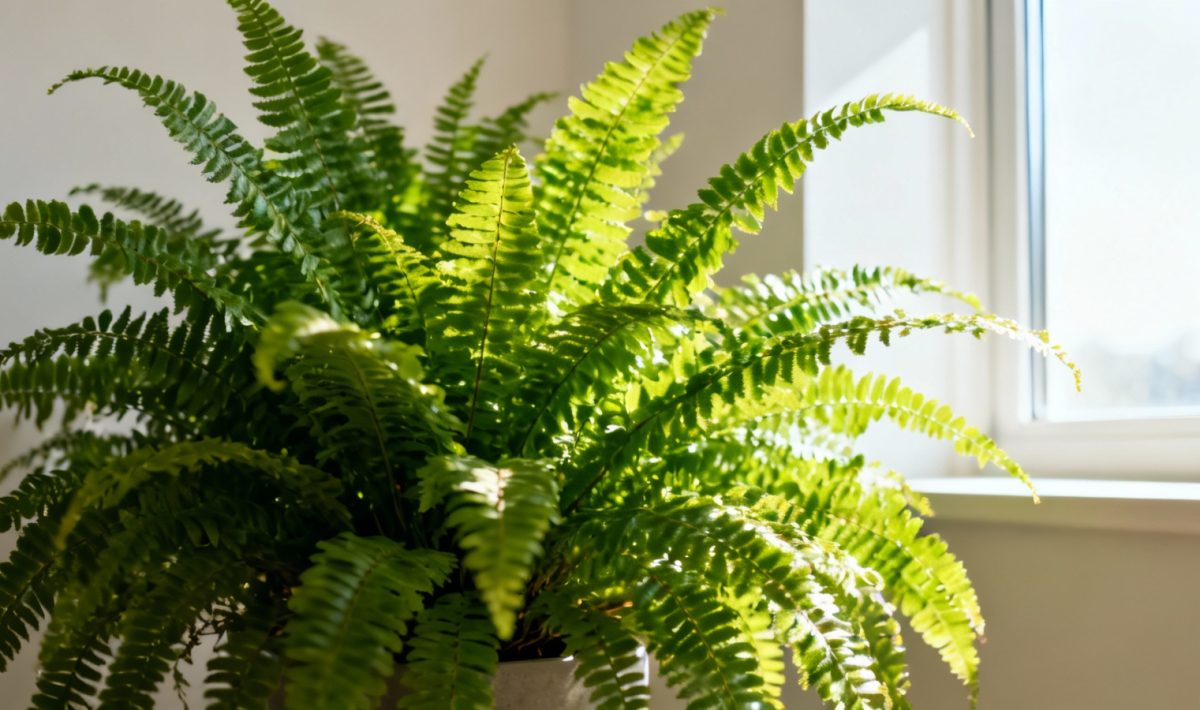
Your Boston fern thrives best in bright, indirect light rather than direct sunlight. These plants naturally grow on forest floors in their native habitat, where they receive filtered sunlight through tree canopies. This means you can successfully grow them in areas that receive moderate to bright indirect light throughout the day.
The ideal light exposure for Boston ferns ranges from 500 to 3,500 foot-candles, with optimal growth occurring around 2,500-3,500 foot-candles. Direct sunlight can quickly scorch the delicate fronds, turning them brown and crispy. Instead, aim for bright but filtered light that mimics their natural environment.
When positioning your fern, consider that they need approximately 14 hours of adequate light daily for optimal photosynthesis. This doesn’t mean intense light all day, but rather consistent, gentle illumination that supports healthy growth without overwhelming the plant.
Perfect placement locations for your Boston fern
North-facing windows are ideal spots for Boston ferns, as they provide consistent but gentle light throughout the day. East-facing windows also work wonderfully, offering morning sun that’s typically less intense than afternoon rays. These locations give your plant the light it craves without the harsh intensity that can damage its foliage.
For south or west-facing windows, you can still successfully grow Boston ferns with some adjustments. Place your plant several feet back from the window, or use sheer curtains to filter the light. This creates the perfect environment where your fern receives bright light without direct sun exposure that could harm its delicate leaves.
In office spaces or rooms with limited natural light, Boston ferns can adapt surprisingly well. They’re more tolerant of lower light conditions compared to many other houseplants. However, you’ll notice slower growth and potentially less dense foliage in dimmer environments.
Signs your Boston fern is receiving adequate light
Healthy Boston ferns display several telltale signs that they’re receiving the right amount of light. Look for vibrant green fronds that arch gracefully and maintain their lush appearance. New growth should emerge regularly, with fresh, bright green fronds unfurling from the center of the plant.
The color of your fern’s fronds provides valuable insight into its light conditions. Properly lit Boston ferns maintain a rich, medium to bright green color. If the fronds appear pale or yellowish, your plant might be receiving too much direct light. Conversely, very dark green fronds that look stretched or leggy often indicate insufficient light.
Just as you might research optimal sunlight for your Zanzibar gem for different houseplants, monitoring your Boston fern’s response to its environment helps you make necessary adjustments for optimal health.
Common light-related problems and solutions
Brown, crispy frond tips are often the first sign that your Boston fern is receiving too much direct sunlight. This scorching can happen quickly, especially during summer months when the sun’s intensity peaks. If you notice this happening, immediately move your plant to a location with more filtered light.
Pale or bleached-looking fronds indicate excessive light exposure as well. Unlike the rich green color of healthy ferns, these washed-out fronds suggest your plant is stressed from too much brightness. Relocating to a spot with gentler light will help restore the natural color over time.
On the opposite end, insufficient light causes different but equally concerning symptoms. Fronds may become thin, elongated, and darker green as the plant stretches toward available light sources. Growth slows significantly, and you might notice fewer new fronds emerging from the crown.
Seasonal adjustments for optimal growth
Light conditions change throughout the year, and your Boston fern care should adapt accordingly. During winter months, when natural light levels decrease, you can move your plant closer to windows or provide supplemental artificial lighting. Many plant enthusiasts find that moving their ferns to slightly brighter locations during winter helps maintain healthy growth.
Summer brings more intense sunlight, which means you might need to move your Boston fern further from south-facing windows or provide additional filtering. This seasonal awareness, similar to understanding sunlight requirements for chokecherry growth in outdoor gardening, ensures year-round plant health.
Spring and fall offer the most moderate light conditions, often providing ideal growing conditions for Boston ferns. These seasons typically require the least adjustment to your plant’s positioning, making them excellent times for repotting or propagating your fern.
Creating the perfect indoor environment
Beyond just light placement, you can enhance your Boston fern’s environment with reflective surfaces that help distribute light more evenly. Light-colored walls, mirrors, or metallic surfaces can bounce gentle light toward your plant without creating harsh direct exposure.
Consider the relationship between light and humidity for your Boston fern. These plants thrive in environments with 40-50% humidity, and proper light placement can help maintain these conditions. Areas with consistent, moderate light often have more stable humidity levels than spots that receive intense sun or remain perpetually dim.
The quality of light matters as much as quantity. While researching different plants’ needs, you might discover that sunlight needed for hollyhock blooms differs significantly from fern requirements. Boston ferns prefer soft, filtered light that supports photosynthesis without causing stress.
Troubleshooting light issues
If you’re unsure whether your Boston fern is receiving adequate light, observe its growth patterns over several weeks. Healthy plants will produce new fronds regularly, with vibrant green color and full, arching growth. Changes in these patterns often indicate lighting adjustments are needed.
Moving your Boston fern gradually between locations helps prevent shock. Rather than dramatic relocations, try shifting your plant a few feet at a time over several days. This gentle transition allows the plant to acclimate to new light conditions without experiencing stress.
Remember that light needs can vary even among Boston ferns, depending on their age, size, and overall health. Younger plants might tolerate slightly lower light conditions, while mature ferns with full, cascading fronds typically need more consistent brightness to maintain their impressive display.
Understanding proper light requirements connects to broader plant care knowledge, much like learning about sunlight requirements for silver maple helps with outdoor landscaping decisions. The key is providing consistent, appropriate conditions that allow your Boston fern to thrive and bring natural beauty to your home environment.
Allan is a lifelong gardening enthusiast who still gets excited when the first seedlings pop up in spring. With a deep love for nature and a hands-in-the-soil approach, he shares practical tips, plant discoveries, and clever tricks picked up over years of digging, planting, and observing. Whether you’re a new gardener or have a shed full of tools, Allan writes like a neighbor who’s always happy to swap cuttings and stories over the fence.
You can find more about Allan’s work on Malt or connect with him on LinkedIn.