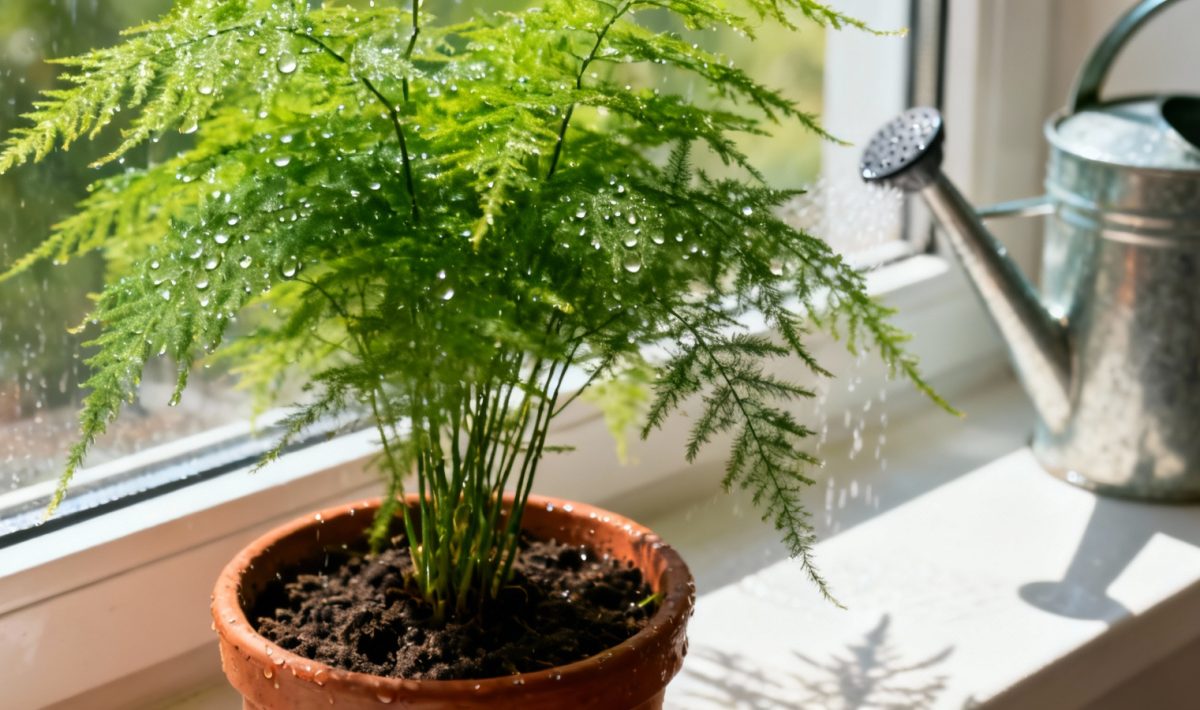
How often should you water your common asparagus fern for healthy growth
Your common asparagus fern, with its delicate feathery foliage and graceful appearance, makes a wonderful addition to any indoor space or terrarium. However, understanding how often should you water your common asparagus fern is crucial for maintaining this beautiful plant’s health and vibrant green color. These elegant plants require consistent moisture but can be surprisingly forgiving when you master their watering needs.
Understanding your asparagus fern’s water requirements
The asparagus fern thrives with regular moisture but despises soggy conditions. Unlike some houseplants that prefer to dry out completely, your fern appreciates soil that stays consistently moist. During the growing season, you’ll typically water two to three times per week, while winter months require less frequent attention.
These plants are native to South Africa, where they grow in areas with good drainage and regular rainfall. This natural habitat gives us great insight into their care preferences. They want steady moisture without waterlogged roots, which can lead to problems with rot and poor growth.
Seasonal watering schedules for optimal growth
Summer watering frequency
During the warm months from June through August, your asparagus fern will need more frequent watering. The combination of higher temperatures and active growth means the soil dries out faster. Water your plant two to three times per week, ensuring water flows from the drainage holes at the bottom of the pot.
Summer is when your fern puts on most of its growth, developing new fronds and filling out its container. Consistent moisture during this period supports healthy development and maintains that lush green appearance we all love. Similar to how you might approach caring for common sunflowers, regular attention during active growing periods makes all the difference.
Winter care adjustments
When temperatures drop and daylight hours decrease, your asparagus fern enters a more dormant phase. During winter months, reduce watering to once every ten to fifteen days. The cooler temperatures and lower light levels mean the plant uses less water and the soil stays moist longer.
Indoor heating can create dry conditions, so you might need to adjust your schedule based on your home’s environment. Plants in heated rooms may need slightly more frequent watering than those in cooler spaces.
Testing soil moisture effectively
The finger test method
The most reliable way to determine when your fern needs water is the simple finger test. Insert your finger about two inches deep into the soil near the edge of the pot. If the soil feels dry at this depth, it’s time to water. If it still feels moist, wait another day or two before checking again.
This method works better than strict schedules because environmental factors like humidity, temperature, and air circulation all affect how quickly soil dries out. Your plant will tell you what it needs if you know how to listen.
Visual indicators to watch for
Beyond soil testing, your asparagus fern provides visual cues about its water needs. The fronds may appear slightly less vibrant or begin to droop when the plant needs moisture. However, don’t wait for dramatic wilting, as this stresses the plant unnecessarily.
Healthy asparagus ferns maintain their bright green color and upright growth habit. Just as with watering advice for common sage, observing your plant’s natural rhythms helps you provide better care.
Common watering mistakes to avoid
Overwatering problems
Too much water creates more problems than too little for asparagus ferns. Overwatered plants develop yellowing fronds, mushy stems, and root rot. The soil will smell sour, and you may notice fungus gnats around the pot. These conditions can quickly kill your plant if not addressed promptly.
If you suspect overwatering, reduce your watering frequency immediately and ensure your pot has adequate drainage holes. Remove any yellow or damaged fronds and allow the soil to dry out more than usual before the next watering.
Underwatering consequences
While asparagus ferns tolerate brief dry periods better than soggy soil, chronic underwatering causes its own set of problems. The fronds will turn brown at the tips first, then progress to complete browning and dropping. The plant may also stop producing new growth.
Recovery from severe underwatering takes time and patience. Gradually increase your watering frequency rather than soaking a severely dried plant all at once, which can shock the root system.
Creating the perfect growing environment
Soil and container considerations
Your choice of pot and soil mix significantly impacts watering frequency. Use a well-draining potting mix that retains some moisture but doesn’t become waterlogged. A combination of peat moss, perlite, and regular potting soil works well for most asparagus ferns.
Containers with drainage holes are essential for preventing water accumulation at the bottom. Terra cotta pots allow soil to dry out faster than plastic ones, which affects your watering schedule. Much like when considering watering needs of sycamore trees, proper drainage prevents many moisture-related issues.
Environmental factors
Humidity, air circulation, and temperature all influence how often you’ll need to water your asparagus fern. Plants in dry environments or near heating vents dry out faster than those in naturally humid conditions. You can increase humidity around your plant with a pebble tray or by grouping it with other plants.
Good air circulation prevents fungal problems while helping maintain consistent moisture levels in the soil. However, avoid placing your fern directly in drafts, which can cause stress and irregular water uptake.
Special considerations for terrarium growing
Asparagus ferns make excellent choices for open terrariums, where their delicate texture adds wonderful contrast to other plants. In terrarium environments, watering requirements change significantly due to the contained ecosystem and often higher humidity levels.
Monitor terrarium soil more carefully, as the enclosed environment can retain moisture longer than traditional pots. Water less frequently but observe the plants closely for signs of either too much or too little moisture. The principles remain the same as those used for selfheal watering tips in contained growing situations.
Troubleshooting watering issues
Seasonal adjustments
As seasons change, so should your watering approach. Spring brings renewed growth and increased water needs, while fall signals a gradual reduction in frequency. Pay attention to how your plant responds to these changes and adjust accordingly.
Keep a simple watering log for the first year to help identify patterns specific to your home environment. Note the date, amount of water given, and any observations about plant health. This information becomes invaluable for future care decisions.
Recovery strategies
When watering problems occur, quick action can save your plant. For overwatered ferns, improve drainage and reduce watering frequency immediately. Remove affected foliage and consider repotting if root damage is suspected.
Underwatered plants benefit from gradual moisture restoration. Water thoroughly but allow proper drying between waterings as you establish a new routine. The resilience of asparagus ferns means most recover well with consistent care, similar to how watering common chicory properly leads to strong plant recovery.
Long-term success with your asparagus fern
Mastering the watering needs of your asparagus fern opens the door to years of enjoyment from this graceful plant. With proper moisture management, your fern will reward you with lush, feathery growth that adds natural beauty to any space.
Remember that every plant is unique, and your specific growing conditions will influence the exact watering schedule. Start with these guidelines, then fine-tune based on your observations and your plant’s responses. Whether you’re growing a single specimen or incorporating it into a larger display with plants like those featured in milkweed watering for butterfly gardens, consistent attention to moisture needs ensures healthy, thriving plants.
The key to success lies in finding that perfect balance between adequate moisture and proper drainage. With practice and attention, you’ll develop an intuitive sense for when your asparagus fern needs water, leading to a thriving plant that brings joy for many seasons to come.
Allan is a lifelong gardening enthusiast who still gets excited when the first seedlings pop up in spring. With a deep love for nature and a hands-in-the-soil approach, he shares practical tips, plant discoveries, and clever tricks picked up over years of digging, planting, and observing. Whether you’re a new gardener or have a shed full of tools, Allan writes like a neighbor who’s always happy to swap cuttings and stories over the fence.
You can find more about Allan’s work on Malt or connect with him on LinkedIn.