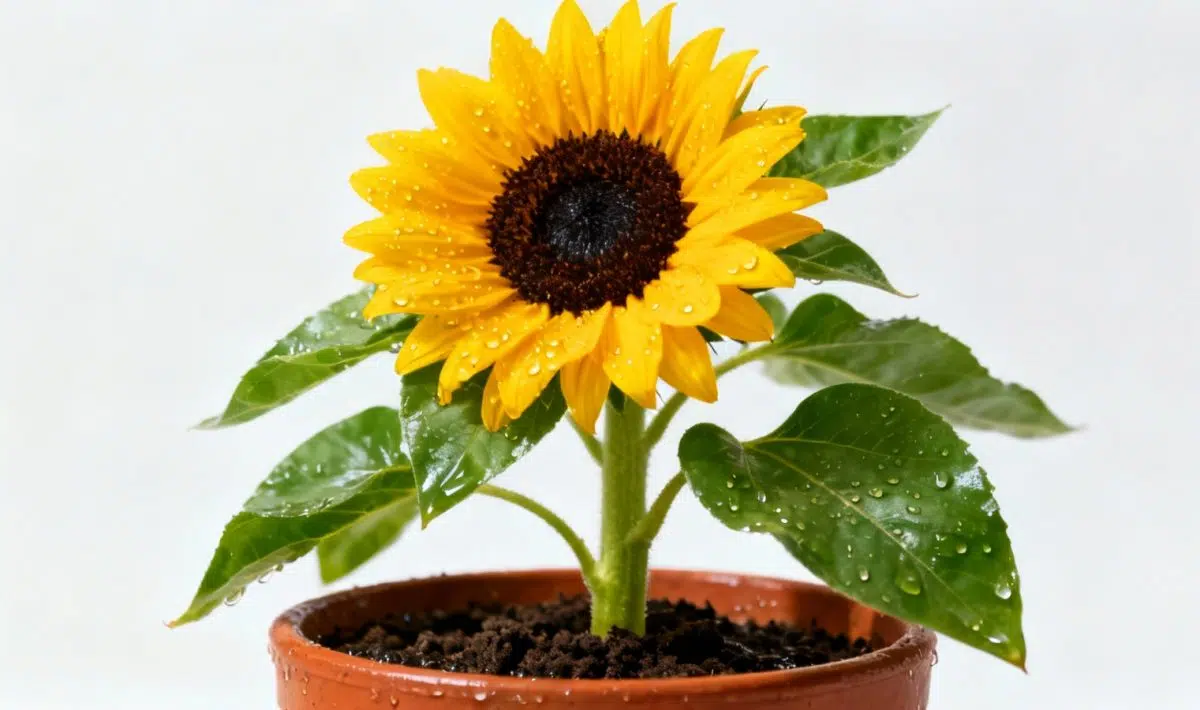
Knowing how often should you water your common sunflower makes the difference between thriving plants and disappointing results. Sunflowers have moderate to high water requirements that change dramatically throughout their growth cycle. These magnificent plants develop deep root systems that can reach several feet into the soil, allowing them to access water from lower soil layers when properly established.
The key lies in understanding that sunflowers are surprisingly adaptable once mature, but they need consistent moisture during critical growth phases. Young plants require more frequent attention, while established sunflowers can tolerate brief dry spells between waterings.
Watering frequency for different growth stages
Caring for young sunflower plants
During the first few weeks after planting seeds in your garden, maintain consistent soil moisture without waterlogging. Water your seedlings every 2-3 days, checking that the top inch of soil stays slightly moist. This frequent schedule helps establish strong root development during the most vulnerable growth period.
Young plants haven’t developed their extensive root systems yet, making them dependent on surface moisture. Check soil conditions daily by inserting your finger about an inch deep – if it feels dry, it’s time to water. Similar careful attention to moisture needs can be found when following watering tips for sycamore trees for other garden plants.
Mature sunflower watering schedule
Once your sunflowers reach about 12 inches tall and have developed several sets of true leaves, you can reduce watering frequency. For plants growing in garden beds, water deeply every 7-10 days, providing approximately 1-2 inches of water each time. This deep, less frequent approach encourages roots to grow downward, creating more drought-resistant plants.
Container-grown sunflowers need more attention than those planted directly in soil. Check potted plants every other day, watering when the top 2 inches of soil feel dry. Large pots retain moisture longer than small ones, so adjust your schedule accordingly.
Critical flowering period water management
The most important time for consistent moisture occurs during flowering and seed development. From bud formation through seed maturity, sunflowers consume significant amounts of water – approximately 230mm over 45 days for optimal growth. During this critical phase, never allow soil to dry completely between waterings.
Monitor your plants closely during hot summer days when they may need supplemental watering even with regular rainfall. Signs of water stress include drooping leaves during midday heat and reduced flower size. Just as selfheal watering guidelines for growth emphasize consistency, sunflowers thrive with steady moisture during their peak growing season.
Environmental factors affecting watering needs
Climate and weather considerations
Hot, dry conditions increase water demands significantly. During heat waves, you may need to water every 3-4 days instead of your usual weekly schedule. Conversely, cool, cloudy weather or periods with regular rainfall allow for longer intervals between waterings.
Wind exposure also impacts moisture needs. Plants in windy locations lose water more rapidly through transpiration, requiring more frequent watering than those in sheltered spots. Pay attention to these microclimatic differences in your garden space.
Soil type influences
Sandy soils drain quickly and require more frequent watering, while clay soils hold moisture longer but can become waterlogged easily. Well-draining, loamy soil provides the best balance for sunflower cultivation. Improve heavy clay by adding compost or organic matter to enhance drainage.
Test your soil’s drainage by digging a small hole and filling it with water. If water remains after 24 hours, you have drainage issues that need addressing before planting sunflowers successfully.
Smart watering techniques and tips
Proper watering methods
Water at soil level rather than overhead to reduce disease risks and ensure efficient water uptake. Use a soaker hose or drip irrigation for large sunflower patches, or water gently at the base of individual plants with a watering can or hose with a soft spray attachment.
Morning watering proves most effective, allowing plants to absorb moisture before the day’s heat increases evaporation rates. Avoid evening watering in humid climates, as wet foliage overnight can promote fungal diseases.
Mulching for moisture retention
Apply a 2-3 inch layer of organic mulch around your sunflowers, keeping it several inches away from the stem base. Good mulch options include straw, shredded leaves, or compost. This practice reduces watering frequency by conserving soil moisture and regulating soil temperature.
Mulch also suppresses weeds that compete with sunflowers for water and nutrients. As it decomposes, organic mulch improves soil structure and adds beneficial nutrients to support healthy plant growth.
Common watering mistakes to avoid
Overwatering causes more problems than underwatering for established sunflowers. Soggy soil leads to root rot, stunted growth, and increased susceptibility to diseases. Always check soil moisture before watering rather than following a rigid schedule regardless of conditions.
Shallow, frequent watering creates weak root systems that struggle during dry periods. Instead, water deeply and less often to encourage roots to grow downward where they can access stable moisture sources. This principle applies to many garden plants, including techniques used for care tips for common chicory and other flowering plants.
Don’t water during the hottest part of the day, as much moisture will evaporate before plants can absorb it. Similarly, avoid using cold water on hot days, which can shock plant roots and reduce water uptake efficiency.
Special considerations for container growing
Potted sunflowers require more careful water management than garden-planted varieties. Large containers (at least 18 inches deep) work best for full-sized sunflower varieties, providing adequate root space and moisture retention.
Check container moisture daily during hot weather, as pots dry out much faster than garden soil. Water until you see drainage from the bottom holes, ensuring complete soil saturation. Consider using water-retaining crystals mixed into potting soil for containers that dry out too quickly.
Position containers where they receive morning sun but afternoon shade in extremely hot climates. This placement reduces water stress while still providing adequate light for healthy growth and flowering.
Optimizing sunflower health through proper care
Successful sunflower cultivation extends beyond watering frequency. These plants benefit from regular feeding during their rapid growth phase, particularly with phosphorus-rich fertilizers that support strong root development and flower production.
Monitor plants for signs of pests or diseases that can affect water uptake efficiency. Healthy plants utilize water more effectively than stressed ones, making integrated care essential for optimal results. The same attention to comprehensive plant care applies when learning optimal watering for common yew and other garden specimens.
Understanding how often should you water your common sunflower empowers you to grow stunning flowers that reach their full potential. With proper timing, technique, and attention to environmental factors, your sunflowers will thrive throughout the growing season, producing the magnificent blooms that make them such beloved garden favorites.
Allan is a lifelong gardening enthusiast who still gets excited when the first seedlings pop up in spring. With a deep love for nature and a hands-in-the-soil approach, he shares practical tips, plant discoveries, and clever tricks picked up over years of digging, planting, and observing. Whether you’re a new gardener or have a shed full of tools, Allan writes like a neighbor who’s always happy to swap cuttings and stories over the fence.
You can find more about Allan’s work on Malt or connect with him on LinkedIn.