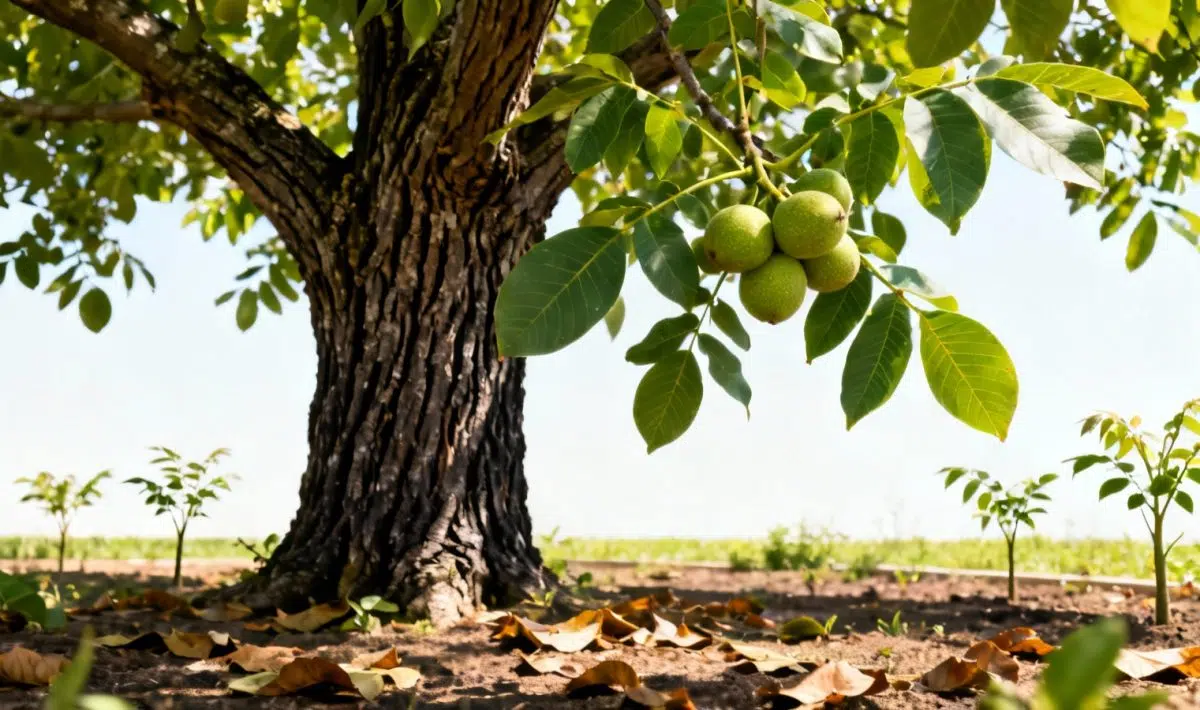
The black walnut (Juglans nigra) stands as one of North America’s most prized native trees, combining ornamental beauty with practical value. This majestic species originates from the eastern United States and southern Canada, where it naturally thrives in rich bottomlands and well-drained soils. Today, gardeners and farmers across multiple zones appreciate this tree for its valuable timber, edible nuts, and impressive canopy that provides excellent shade during summer months.
Unlike other walnut species such as the English walnut (Juglans regia), the black walnut displays remarkable cold hardiness, tolerating temperatures as low as -30°C. This exceptional rusticité makes it suitable for cultivation across USDA zones 4 through 9. The tree’s distinctive dark bark and compound leaves create an attractive landscape feature while producing nutritious nuts each autumn.
Essential Characteristics of Juglans Nigra
Physical Features and Growth Habits
Black walnut trees develop into impressive specimens, reaching heights of 20 to 50 meters at maturity with a spread of 5 to 10 meters. The tree’s crown forms an irregular oval shape, supported by a straight trunk that develops deeply furrowed, dark brown to black bark. This distinctive bark pattern gives the species its common name and helps distinguish it from other walnut varieties.
The compound leaves consist of 15 to 25 leaflets arranged along a central stem, each leaflet displaying a lanceolate shape with serrated edges. During spring and summer, the feuillage presents a lustrous green color that transforms to bright yellow in autumn before dropping. The tree produces separate male and female flowers on the same plant, with male catkins appearing as drooping, greenish-brown clusters and female flowers forming small, upright spikes.
Nut Production and Wood Quality
The fruit develops as a large, round drupe enclosed in a thick green hull called the brou. Inside this protective covering lies the familiar walnut shell containing the edible kernel. Black walnut nuts typically measure 4 to 5 centimeters in diameter and mature from September through October, depending on the local climate and growing conditions.
The bois of black walnut ranks among the most valuable hardwoods in North America. Its rich chocolate-brown heartwood with darker streaking creates stunning furniture, cabinetry, and decorative items. This high-quality timber, combined with the tree’s nut production, makes black walnut an excellent long-term investment for property owners.
Optimal Growing Conditions and Culture
Soil Requirements and Site Selection
Black walnut trees perform best in deep, well-drained soils with a slightly acidic to neutral pH range of 6.0 to 7.5. The ideal sol provides good fertility and moisture retention without becoming waterlogged. Heavy clay soils should be avoided, as poor drainage can lead to root rot and stunted growth. Similarly to how care and propagation of common coleus requires specific soil conditions, walnut trees need proper growing medium for optimal development.
When selecting a plantation site, consider the tree’s eventual size and spacing requirements. Mature black walnut trees need adequate room to develop their full canopy, so plan for at least 15 to 20 meters between individual trees. The chosen location should receive full sun exposure for most of the day, though young trees can tolerate partial shade during their establishment period.
Climate Considerations and Hardiness
The black walnut’s native range extends throughout much of eastern North America, where it experiences diverse climate conditions. This adaptability allows successful cultivation across a wide zone range, from southern Canada to the Gulf Coast states. The species demonstrates excellent cold tolerance but also handles summer heat well when provided with adequate moisture.
Spring frost can damage emerging flowers and young growth, so avoid planting in low-lying areas where cold air settles. The tree’s natural growing saison runs from early spring through late fall, with dormancy beginning after the first hard frost.
Propagation Methods and Techniques
Seed Propagation and Germination
Growing black walnut from graines represents the most common and successful propagation method. Fresh nuts collected in autumn provide the highest germination rates, typically ranging from 60 to 80 percent when properly handled. The semences require a cold stratification period of 90 to 120 days to break dormancy and stimulate germination.
To prepare nuts for planting, remove them from the green hulls immediately after collection and place them in slightly moist peat moss or sand. Store this mixture in the refrigerator at temperatures between 1 to 4°C throughout the winter months. Just as tips for growing garlic mustard involves specific timing, successful walnut germination depends on proper cold treatment duration.
Planting and Early Care
Plant stratified graines in early spring when soil temperatures reach 10°C consistently. Create planting holes 3 to 5 centimeters deep and place nuts on their sides rather than pointed end up. This orientation prevents the emerging root from growing upward instead of down into the soil.
Young semis require protection from rodents and regular watering during their first growing season. Mulching around the base helps retain moisture and suppress competing vegetation. Growth during the first year typically reaches 30 to 60 centimeters in hauteur, depending on growing conditions and care provided.
Maintenance and Long-term Care
Pruning and Structural Development
Proper pruning during the early years helps develop strong branch structure and prevents future problems. Remove competing leaders to maintain a single central trunk, and eliminate branches with narrow crotch angles that may split under heavy loads. Winter dormancy provides the ideal time for major pruning activities.
Mature black walnut trees require minimal pruning beyond removing dead, damaged, or diseased wood. The species naturally develops good form without extensive intervention, unlike some ornamental plantes that need regular shaping. Much like caring for Japanese pieris plants requires understanding specific growth patterns, walnut trees benefit from species-appropriate maintenance approaches.
Fertilization and Soil Management
Established black walnut trees typically thrive without supplemental fertilization when grown in appropriate soil conditions. However, young trees benefit from balanced fertilizer applications during their first few years of establishment. Apply fertilizer in early spring before new growth begins, following soil test recommendations for optimal nutrient management.
Organic matter additions through composting or mulching improve soil structure and provide slow-release nutrients throughout the growing season. Maintain a 10-centimeter layer of organic mulch around the tree’s base, keeping material several centimeters away from the trunk to prevent pest and disease issues.
Common Challenges and Solutions
Pest Management
Several insects can affect black walnut health, including walnut caterpillars, aphids, and scale insects. Regular monitoring helps identify problems early when treatment options remain most effective. Natural predators often provide adequate control without chemical intervention, maintaining ecological balance in the garden environment.
The walnut husk fly represents one of the most serious pest threats, causing premature nut drop and reduced harvest quality. Proper sanitation through fallen fruit removal helps break the pest’s life cycle and reduces future population levels.
Disease Prevention
Fungal diseases such as anthracnose and thousand cankers disease can impact black walnut health. Good air circulation, proper spacing, and avoiding overhead watering help prevent many fungal problems. Similar to how guidelines for Dieffenbachia seguine care emphasize disease prevention, walnut cultivation benefits from proactive management strategies.
Bacterial blight may cause branch dieback and reduced nut production during wet springs. Selecting disease-resistant varieties when available and maintaining proper tree vigor through appropriate care helps minimize susceptibility to these problems.
Harvest and Utilization
Nut Collection and Processing
Black walnut nuts typically begin falling in late September through October, depending on local climate conditions. Collect nuts promptly after they fall to ensure best quality and prevent spoilage. The green hulls stain hands and clothing, so wear gloves and old clothes during harvest activities.
Remove hulls immediately after collection and wash nuts thoroughly before drying. Proper curing in a well-ventilated area for several weeks ensures long-term storage success. Quality nuts will rattle when shaken and sink in water, while damaged or empty shells typically float.
Fresh black walnut nuts offer rich flavor and excellent nutritional value, containing healthy oils, protein, and minerals. The nuts can be stored for months when properly dried and kept in cool, dry conditions.
Allan is a lifelong gardening enthusiast who still gets excited when the first seedlings pop up in spring. With a deep love for nature and a hands-in-the-soil approach, he shares practical tips, plant discoveries, and clever tricks picked up over years of digging, planting, and observing. Whether you’re a new gardener or have a shed full of tools, Allan writes like a neighbor who’s always happy to swap cuttings and stories over the fence.
You can find more about Allan’s work on Malt or connect with him on LinkedIn.