How much sunlight does eastern redbud need – growing tips and care
The Eastern redbud stands as one of the most beloved flowering trees in North American gardens, and understanding how much sunlight does Eastern redbud need is crucial for successful cultivation. This gorgeous tree, scientifically known as Cercis canadensis, creates stunning displays of pink flowers each spring, but only when grown in proper lighting conditions. Whether you’re planning to plant seeds or care for an existing tree, getting the sunlight requirements right makes all the difference.
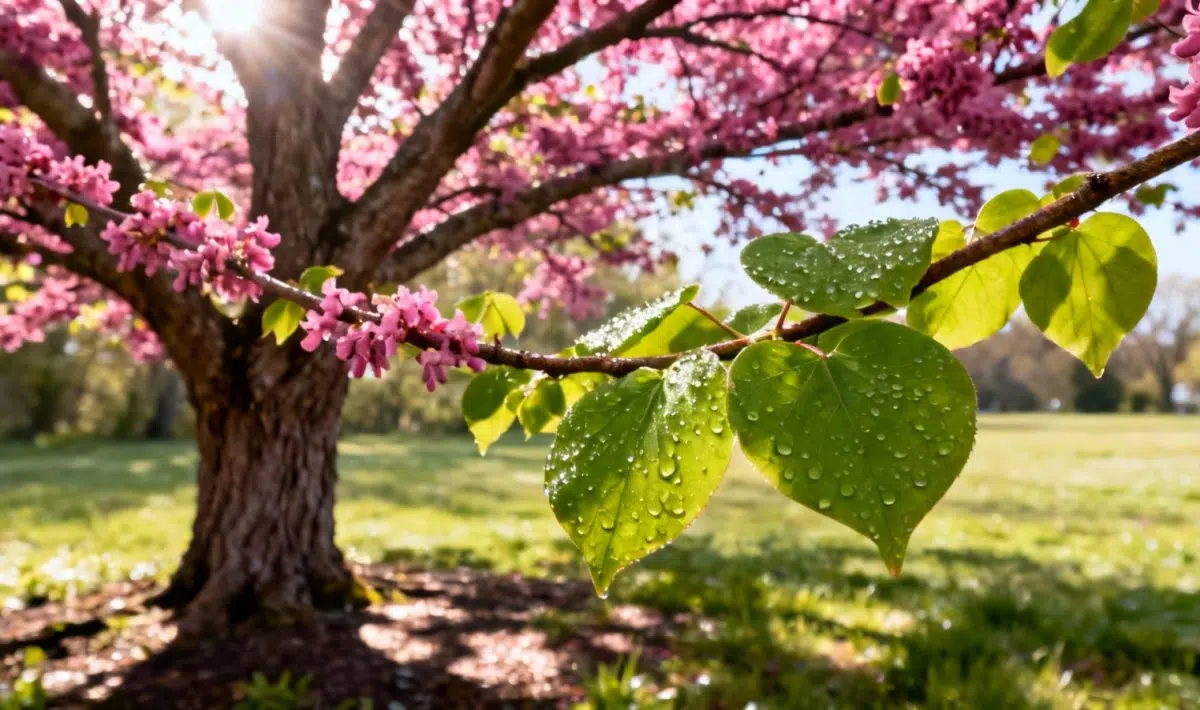
Eastern redbud trees thrive best with at least 6 hours of direct sunlight daily. However, these adaptable trees can tolerate partial shade, especially in warmer climates where full sun might stress the plant. The key lies in finding the sweet spot between adequate light exposure and protection from harsh afternoon sun in extremely hot regions.
In their natural habitat, Eastern redbuds often grow as understory trees in forest edges, which explains their tolerance for varying light conditions. This adaptability makes them excellent choices for gardens with mixed sun exposure. The tree typically reaches heights of up to 20 feet when grown in optimal conditions, with a spreading canopy that provides lovely dappled shade.
When considering soil requirements, Eastern redbuds prefer well-draining soil with good organic content. Much like other flowering trees, proper drainage prevents root rot and ensures healthy growth. The tree’s hardy nature makes it suitable for USDA zones 4-9, adapting well to different climatic conditions across these regions.
Optimal growing conditions for best results
For the most vigorous growth and abundant spring flowers, plant your Eastern redbud in a location that receives morning sunlight with some afternoon protection. This combination provides the energy the tree needs for photosynthesis while preventing leaf scorch during the hottest part of the day. Trees grown in full sun typically produce more flowers and maintain a more compact, attractive shape.
The type of care your redbud receives significantly impacts its performance. Regular watering during the first few years helps establish a strong root system, though mature trees become quite drought-tolerant. Summer heat can be challenging for young trees, so providing some shade during the hottest months proves beneficial. Just as with sunlight requirements for silver maple, consistent moisture during establishment is crucial.
Eastern redbud seeds require specific conditions for successful germination. The seeds have a hard coat that benefits from scarification before planting. Many gardeners recommend soaking seeds overnight or gently filing the seed coat to improve germination rates. Quality seeds from reputable suppliers often come with detailed planting instructions.
Signs of proper light exposure
A well-positioned Eastern redbud displays several telltale signs of receiving adequate sunlight. The tree produces abundant pink flowers in early spring, typically appearing before the leaves emerge. Healthy trees maintain compact growth with good branching structure, rather than becoming leggy or stretched toward light sources.
Leaf color provides another excellent indicator of proper light exposure. Eastern redbuds grown in sufficient sunlight develop rich green summer foliage that transitions to beautiful yellow fall colors. Trees receiving too little light often have pale green leaves and reduced flowering. Similar light principles apply to many garden plants, including light requirements for common hollyhocks, where adequate sun exposure directly correlates with bloom quality.
The tree’s natural growth pattern also reflects its light exposure. Eastern redbuds grown in proper conditions develop the characteristic heart-shaped leaves and maintain their attractive vase-like growth habit. This makes them excellent choices for ornamental landscaping where their spring display can be fully appreciated.
Caring for Eastern redbud throughout seasons
Spring care focuses on supporting the tree’s flowering phase and new growth emergence. This season brings the spectacular display of pink flowers that makes Eastern redbud so desirable. Ensuring the tree has adequate moisture during this critical period supports both flower development and the energy needed for leaf emergence.
Summer maintenance involves monitoring for heat stress and providing supplemental watering during extended dry periods. While mature Eastern redbuds tolerate drought well, consistent moisture promotes better growth and prepares the tree for the following year’s flower production. Mulching around the base helps retain soil moisture and regulates soil temperature.
Understanding seasonal care requirements helps gardeners make informed decisions about plant placement and companion planting. For instance, gardeners often ask about light needs for Kentucky bluegrass when planning ground cover beneath their redbud trees. The dappled shade created by mature redbuds can actually benefit shade-tolerant grasses and perennials.
Purchasing quality Eastern redbud seeds
When looking to add Eastern redbud to your garden, sourcing quality seeds from reputable suppliers ensures the best results. Many online retailers offer seeds with detailed growing instructions and customer reviews that help guide purchasing decisions. The best suppliers provide information about seed collection dates and storage methods, which directly impact germination rates.
Customer feedback often highlights the importance of seed quality and supplier reliability. Many gardeners recommend purchasing from suppliers who offer livraison options and detailed care instructions. Reading reviews helps identify suppliers who consistently deliver viable seeds that produce healthy trees.
Price considerations vary depending on seed quality and supplier reputation. While it’s tempting to choose the cheapest option, investing in quality seeds from established suppliers typically provides better germination rates and healthier trees. Many suppliers offer seeds in various quantities to accommodate different planting projects, from single specimen trees to larger landscaping efforts.
Companion planting and garden design
Eastern redbud works beautifully in mixed plantings where its light requirements complement other garden plants. The tree’s moderate shade makes it an excellent companion for shade-tolerant perennials and shrubs. Understanding how different plants interact with light helps create more successful garden designs.
Consider combining Eastern redbud with plants that have similar cultural requirements but different seasonal interests. For example, sunlight needs for common chokecherry show compatibility with redbud in mixed plantings, as both tolerate partial shade conditions. This creates year-round garden interest with different flowering and fruiting seasons.
Garden designers often use Eastern redbud as a focal point in spring gardens, then rely on companion plants for summer and fall interest. The tree’s relatively small size makes it suitable for residential landscapes where larger trees might overwhelm the space. Its adaptation to various light conditions provides flexibility in garden placement.
Troubleshooting common light-related issues
Trees planted in insufficient light often exhibit specific symptoms that alert gardeners to the problem. Reduced flowering represents the most obvious sign, as Eastern redbuds require adequate energy from photosynthesis to produce their spectacular spring display. Weak, spindly growth and pale foliage also indicate insufficient light exposure.
Conversely, trees receiving too much intense sunlight may show leaf scorch, particularly on younger specimens or during extremely hot summers. This appears as brown, crispy leaf edges and overall leaf wilting during the hottest part of the day. Providing afternoon shade or supplemental watering often resolves these issues.
Environmental factors beyond basic sunlight exposure can also impact tree health. For gardeners interested in diverse plantings, understanding requirements for various species proves valuable. Some gardeners combine redbuds with Mediterranean plants, though sunlight for Mediterranean cypress trees differs significantly from redbud requirements, making careful placement essential.
Maximizing Eastern redbud performance
To get the most from your Eastern redbud investment, focus on providing consistent care during the establishment period. Young trees benefit from regular watering, proper mulching, and protection from extreme weather conditions. This early attention pays dividends in terms of long-term tree health and performance.
Regular monitoring helps identify and address issues before they become serious problems. Watching for signs of stress, disease, or pest issues allows for prompt intervention. Much like caring for annual flowers such as optimal light for treasure flower, attention to detail in the early stages significantly impacts final results.
Eastern redbud represents an excellent investment for gardeners seeking a low-maintenance tree with high visual impact. The combination of spectacular spring flowers, attractive heart-shaped leaves, and adaptable growing requirements makes it suitable for a wide range of garden situations. With proper attention to sunlight requirements and basic care, these trees provide decades of garden enjoyment and significantly enhance property value through their ornamental contributions.
Allan is a lifelong gardening enthusiast who still gets excited when the first seedlings pop up in spring. With a deep love for nature and a hands-in-the-soil approach, he shares practical tips, plant discoveries, and clever tricks picked up over years of digging, planting, and observing. Whether you’re a new gardener or have a shed full of tools, Allan writes like a neighbor who’s always happy to swap cuttings and stories over the fence.
You can find more about Allan’s work on Malt or connect with him on LinkedIn.