English ivy care and culture: optimal growing conditions for Hedera helix
English ivy – Hedera helix remains one of the most beloved climbing plants for both indoor and outdoor cultivation. This versatile plant captivates gardeners with its elegant variegated leaves and remarkable adaptability to various environments. Whether you’re looking to create a lush indoor display or cover exterior walls, understanding proper care techniques will ensure your ivy thrives for years to come.
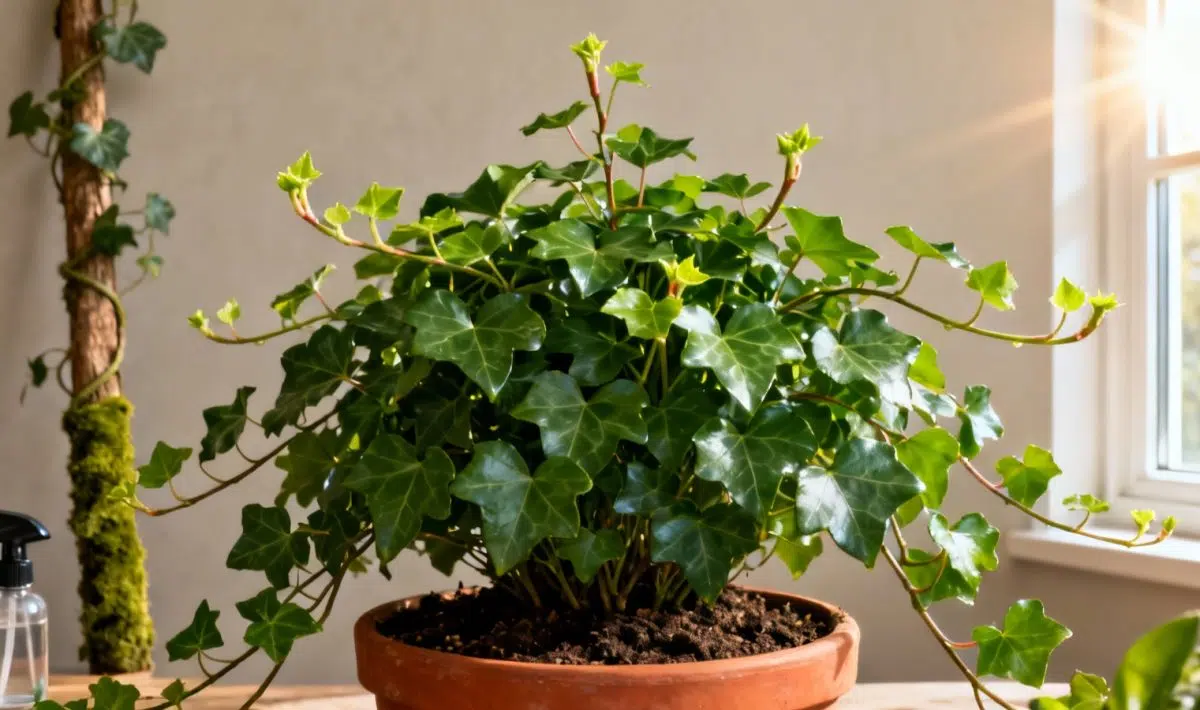
English ivy displays distinctive features that make it instantly recognizable. The plant produces beautiful dark green leaves with prominent white or cream veining, creating an attractive variegated pattern. These leaves typically measure 2-4 inches across and maintain their glossy appearance throughout the year. The stems develop aerial roots along their length, allowing the plant to climb and cling to various surfaces naturally.
The growth pattern of ivy makes it particularly appealing for indoor cultivation. New stems emerge from the base and can extend several feet in length, creating cascading displays when grown in hanging baskets or trained up moss poles. The plant’s ability to tolerate various conditions while maintaining steady growth makes it an excellent choice for beginners.
Optimal growing conditions for your plants
Light requirements play a crucial role in ivy health and appearance. Your plant will thrive best in bright, indirect light conditions. While English ivy can survive in lower light situations, inadequate lighting often results in slower growth and less vibrant leaf coloration. Position your pot near a window that receives filtered sunlight, or provide supplemental growing lights for optimal results.
Humidity levels significantly impact ivy performance, especially when grown indoors. The ideal humidity range falls between 40-60%, which can be challenging to maintain in heated homes during winter months. Consider using a humidity tray filled with water and pebbles beneath your pot, or group plants together to create a more humid microenvironment. Just as care tips for painted-leaf begonia require attention to moisture levels, ivy benefits from consistent environmental conditions.
Soil and watering requirements
Selecting the right terreau creates the foundation for healthy ivy growth. Choose a well-draining potting mix that retains some moisture while preventing waterlogged conditions. A standard houseplant soil blend works well, or you can create your own mixture using equal parts peat moss, perlite, and regular potting soil. Good drainage remains essential, as soggy soil conditions quickly lead to root rot.
Watering frequency depends on several factors including pot size, soil type, and environmental conditions. Check the soil moisture by inserting your finger about an inch deep into the terreau. Water when the top inch feels dry, providing enough water until it drains from the bottom holes. During growing season (spring and summer), you’ll likely need to water every 5-7 days, while winter watering may occur less frequently.
Overwatering presents the most common problem for ivy growers. Signs of excessive water include yellowing feuilles, musty soil odors, and soft, blackened roots. If you notice these symptoms, reduce watering frequency and ensure your pot has adequate drainage holes.
Propagation techniques for English ivy
Propagation of English ivy proves remarkably straightforward, making it easy to expand your collection or share plants with friends. The most reliable method involves taking stem cuttings during the active growing season. Select healthy tiges that are 4-6 inches long, ensuring each cutting includes at least 3-4 leaf nodes.
Prepare your bouture by removing the lower feuilles and trimming just below a node where roots will develop. You can root cuttings either in water or directly in moist potting soil. For water propagation, place cuttings in a glass jar filled with clean water, changing the water every few days. Roots typically appear within 2-3 weeks. Similar techniques work well for other climbing plants, much like those described in guides for growing pontic rhododendron successfully.
When rooting in soil, plant your prepared cuttings in small pots filled with moist, well-draining terreau. Cover with plastic bags to maintain humidity and place in bright, indirect lumière. Keep the soil consistently moist but not waterlogged during the rooting process.
Optimal conditions for successful propagation
Temperature and humidity control greatly influence propagation success rates. Maintain temperatures between 65-75°F (18-24°C) for best results. Higher humidity levels around 60-70% encourage faster root development. You can achieve this by placing propagation containers on heat mats or in mini greenhouses.
Avoid placing newly propagated cuttings in direct soleil, as this can stress the developing plants. Instead, provide bright, filtered light until new growth appears, indicating successful root establishment. This process typically takes 4-6 weeks for soil-rooted cuttings.
Maintenance and taille techniques
Regular taille keeps your ivy plant healthy and maintains its attractive appearance. Pruning becomes particularly important for indoor plants to prevent excessive growth and maintain desired shapes. Use clean, sharp scissors or pruning shears to avoid damaging the plant tissue.
Remove any yellowing, damaged, or diseased feuilles promptly to prevent problems from spreading. You can also trim back long tiges to encourage bushier growth patterns. The best time for major pruning occurs during spring when the plant begins active growth, though light trimming can be done throughout the year as needed.
When pruning, cut just above leaf nodes to encourage new branch development. Save healthy cuttings for propagation rather than discarding them. This approach allows you to maintain your existing plant while creating new ones simultaneously.
Common problems and solutions
Several issues commonly affect English ivy plants, but most prove easily manageable with proper care adjustments. Spider mites often appear in dry indoor conditions, creating fine webbing on feuilles and causing stippled damage. Increase humidity levels and rinse plants regularly with lukewarm water to prevent and treat these pests.
Scale insects may also target ivy plants, appearing as small brown bumps on stems and leaf undersides. Remove these manually with alcohol-soaked cotton swabs, or use horticultural oil sprays for severe infestations. Just as with tips for caring for Brazilian jasmine, regular inspection helps catch problems early.
Leaf drop often indicates environmental stress, typically from overwatering, underwatering, or sudden temperature changes. Assess your care routine and environmental conditions to identify the cause. Most plants recover quickly once proper conditions are restored.
Fertilizing and seasonal care
English ivy benefits from regular feeding during the growing season to support healthy foliage and steady growth. Use a balanced liquid engrais diluted to half strength every 4-6 weeks from spring through early fall. Avoid fertilizing during winter months when growth naturally slows.
Seasonal care adjustments help maintain optimal plant health year-round. During winter, reduce watering frequency as plants use less moisture in cooler conditions. Move plants away from heat sources like radiators or heating vents that can create excessively dry air. Consider the seasonal needs just as you would for understanding oxeye daisy cultivation or other perennial plants.
Spring marks the perfect time for repotting if your ivy has outgrown its current container. Choose a pot only slightly larger than the previous one, as ivy prefers somewhat snug root conditions. Fresh terreau provides renewed nutrients and improved drainage for the coming growing season.
Indoor versus outdoor cultivation
English ivy adapts well to both indoor and outdoor environments, though care requirements vary slightly between settings. Indoor plants require more attention to humidity levels and may need supplemental lighting during darker months. Position plants in locations with good air circulation while protecting them from cold drafts.
Outdoor cultivation allows ivy to express its natural climbing behavior more fully. The plant can cover fences, walls, or trellises effectively while requiring less intensive watering than indoor specimens. However, outdoor ivy may become invasive in some regions, so check local growing recommendations before planting. Consider containment strategies similar to those used for caring for oriental arborvitae plants in managed landscapes.
Temperature tolerance varies between indoor and outdoor settings. While outdoor ivy can withstand temperatures down to about 10°F (-12°C), indoor plants prefer consistent temperatures between 60-75°F (15-24°C). Protect outdoor plants from extreme weather conditions and provide winter mulch in colder climates.
Safety considerations and pet concerns
English ivy contains compounds that can be toxic to pets and potentially irritating to humans. Keep plants out of reach of cats, dogs, and small children who might be tempted to chew on the attractive feuilles. Wear gloves when handling or pruning ivy to prevent potential skin irritation.
If pets show signs of ivy ingestion such as vomiting, drooling, or difficulty swallowing, contact your veterinarian immediately. Consider alternative plants for households with curious pets, or ensure ivy remains in inaccessible locations throughout your espace.
Despite these precautions, many gardeners successfully grow ivy safely by taking appropriate measures and educating household members about proper plant handling. The beauty and air-purifying benefits often outweigh the concerns when proper care is taken.
English ivy rewards attentive gardeners with years of beautiful, low-maintenance growth. By understanding its basic needs for proper lighting, well-draining soil, and consistent moisture, you can enjoy this classic plant’s timeless appeal. Whether cascading from hanging baskets indoors or covering outdoor structures, ivy brings natural elegance to any setting. Regular care, appropriate propagation techniques, and attention to environmental conditions ensure your Hedera helix will thrive and potentially become a long-term garden companion. Remember that patience and consistency in care practices, much like with honey locust care and features, will yield the most rewarding results for your ivy cultivation efforts.
Allan is a lifelong gardening enthusiast who still gets excited when the first seedlings pop up in spring. With a deep love for nature and a hands-in-the-soil approach, he shares practical tips, plant discoveries, and clever tricks picked up over years of digging, planting, and observing. Whether you’re a new gardener or have a shed full of tools, Allan writes like a neighbor who’s always happy to swap cuttings and stories over the fence.
You can find more about Allan’s work on Malt or connect with him on LinkedIn.