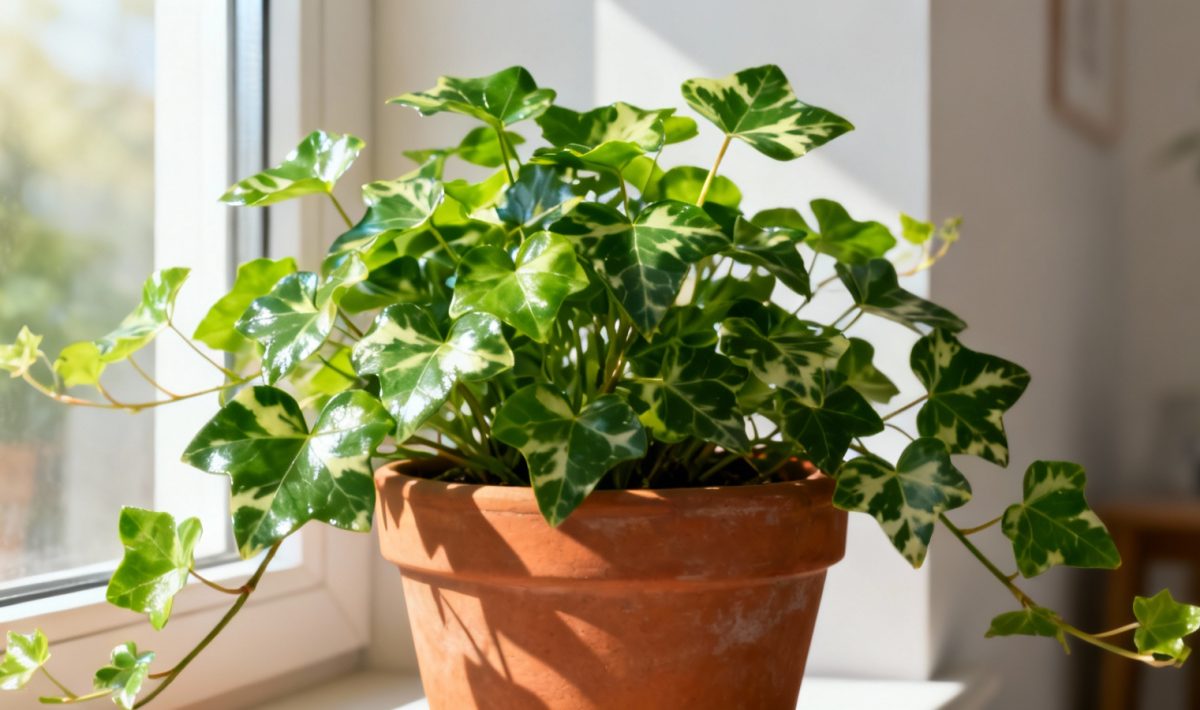
How much sunlight does English ivy need for healthy indoor growth
Growing English ivy successfully starts with understanding exactly how much sunlight does English ivy need for optimal health. This versatile climbing plant has become incredibly popular among indoor gardeners because of its adaptability to various light conditions. Whether you’re dealing with a dimly lit office space or a bright living room, English ivy can thrive when you provide the right lighting setup.
English ivy (Hedera helix) is remarkably tolerant when it comes to light conditions. This hardy plant can survive in anything from deep shade to bright indirect light, making it perfect for indoor environments. However, the key to healthy growth lies in finding that sweet spot of bright, indirect sunlight.
The plant naturally grows in forest understories in its native habitat, which explains why it performs so well in moderate light conditions indoors. You’ll find that your ivy will develop its characteristic glossy green leaves most effectively when placed near a window with filtered light rather than in direct sun.
Scientific studies have shown that English ivy actually performs better in partial shade than in full sun conditions. Research indicates that plants grown with 60% shade coverage produced significantly more biomass compared to those in direct sunlight, demonstrating the plant’s preference for filtered light conditions.
Ideal lighting conditions for indoor English ivy
For indoor cultivation, place your English ivy plants near an east or north-facing window where they can receive bright, indirect light throughout the day. This positioning provides the gentle morning sun or consistent indirect light that mimics their natural woodland environment.
If you only have south or west-facing windows available, position your plant about 3-4 feet away from the window or use sheer curtains to filter the intense afternoon light. Direct sunlight can scorch the delicate leaves, causing them to turn brown or develop unsightly patches.
The beauty of English ivy lies in its adaptability – it can tolerate lower light conditions better than many other houseplants. Even in dimmer corners of your home, this resilient plant will continue growing, though perhaps at a slower pace than in optimal conditions.
Signs your ivy needs more light
Watch for telltale signs that indicate your plant isn’t receiving enough light. When English ivy doesn’t get adequate illumination, the spaces between leaves (internodes) become elongated, creating a leggy, stretched appearance. The vibrant green color may also fade, and variegated varieties might lose their distinctive patterns.
New growth that appears pale or yellowish often signals insufficient light. Additionally, if your ivy stops producing new leaves altogether or existing leaves begin dropping, it’s time to relocate your plant to a brighter spot in your home.
Soil and growing conditions that complement proper lighting
Good drainage is essential for healthy English ivy growth, regardless of lighting conditions. Use a well-draining potting mix that allows water to flow through easily while retaining some moisture. A standard houseplant soil mixed with perlite or bark chips works perfectly for most indoor situations.
The soil should feel slightly moist but never soggy. Poor drainage combined with inadequate light can lead to root rot, which is one of the most common problems affecting indoor ivy plants. Choose containers with drainage holes to prevent water from accumulating at the bottom.
English ivy appreciates slightly acidic to neutral soil with a pH between 6.0 and 7.5. You can test your soil pH with simple test strips available at garden centers, though most commercial potting mixes fall within this acceptable range naturally.
Humidity and temperature considerations
Maintaining proper humidity levels becomes even more important when your ivy receives adequate light. These plants prefer humidity levels between 40-60%, which can be challenging in dry indoor environments, especially during winter months when heating systems reduce air moisture.
Consider placing a humidity tray filled with water and pebbles beneath your ivy’s container, or group it with other plants to create a more humid microenvironment. Regular misting can also help, but avoid getting water directly on the leaves if your plant sits in bright light, as this can cause leaf burn.
Much like how sunlight requirements for poison ivy vary based on environmental conditions, English ivy’s needs can fluctuate with seasonal changes and indoor climate variations.
Caring for your English ivy throughout the seasons
During spring and summer growing seasons, your English ivy will benefit from slightly more light and regular feeding. This is when the plant produces most of its new growth, so ensuring adequate lighting becomes crucial for healthy development.
Water your ivy when the top inch of soil feels dry to the touch. The frequency will depend on your home’s humidity, temperature, and the amount of light your plant receives. Plants in brighter conditions typically need more frequent watering than those in lower light situations.
Feed your ivy monthly during the growing season with a diluted, balanced liquid fertilizer. Reduce feeding to every other month during fall and winter when growth naturally slows down, regardless of lighting conditions.
Common problems and solutions
Spider mites often target English ivy plants, especially those kept in dry conditions with bright light. Increase humidity around your plant and inspect regularly for fine webbing on leaf undersides. A gentle shower or wiping leaves with a damp cloth can help prevent infestations.
Brown leaf tips usually indicate low humidity or fluoride sensitivity rather than lighting issues. Use distilled or filtered water for your ivy, and increase humidity levels around the plant to prevent this common problem from recurring.
Pruning your English ivy regularly helps maintain its shape and encourages bushier growth. Use clean, sharp scissors to trim back long vines, and you can actually propagate these cuttings in water to create new plants for other areas of your home.
Rotate your ivy container weekly to ensure all sides receive equal light exposure. This prevents the plant from growing lopsided as it reaches toward its light source, maintaining a fuller, more attractive appearance.
Consider the specific variety of English ivy you’re growing, as some cultivars have slightly different light preferences. Variegated varieties typically need more light to maintain their colorful patterns, while solid green varieties are more tolerant of lower light conditions.
Beyond its attractive appearance, English ivy offers several benefits for indoor spaces. NASA studies have identified it as one of the top air-purifying plants, effectively removing formaldehyde, benzene, and other common household pollutants from indoor air.
The cascading growth habit makes English ivy perfect for hanging baskets, tall plant stands, or training up moss poles or trellises. This versatility allows you to incorporate the plant into various room designs and lighting situations throughout your home.
English ivy is also relatively pest-resistant when kept in proper lighting conditions with adequate humidity. Unlike more finicky houseplants, it forgives occasional neglect and adapts well to changing indoor conditions, making it ideal for both beginners and experienced plant enthusiasts.
Conclusion: Success with English ivy lighting
Understanding how much sunlight English ivy needs sets the foundation for successful indoor growing. Remember that bright, indirect light provides the ideal conditions, while the plant’s natural tolerance for lower light makes it adaptable to various indoor spaces.
Focus on providing consistent care with proper watering, good drainage, and adequate humidity alongside appropriate lighting. With these elements in place, your English ivy will reward you with lush, green growth that enhances any indoor environment.
The key lies in observing your plant’s response to its current location and making adjustments as needed. A healthy English ivy with proper lighting will show steady growth, vibrant leaf color, and that characteristic trailing habit that makes it such a beloved houseplant choice for homes and offices alike.
Allan is a lifelong gardening enthusiast who still gets excited when the first seedlings pop up in spring. With a deep love for nature and a hands-in-the-soil approach, he shares practical tips, plant discoveries, and clever tricks picked up over years of digging, planting, and observing. Whether you’re a new gardener or have a shed full of tools, Allan writes like a neighbor who’s always happy to swap cuttings and stories over the fence.
You can find more about Allan’s work on Malt or connect with him on LinkedIn.