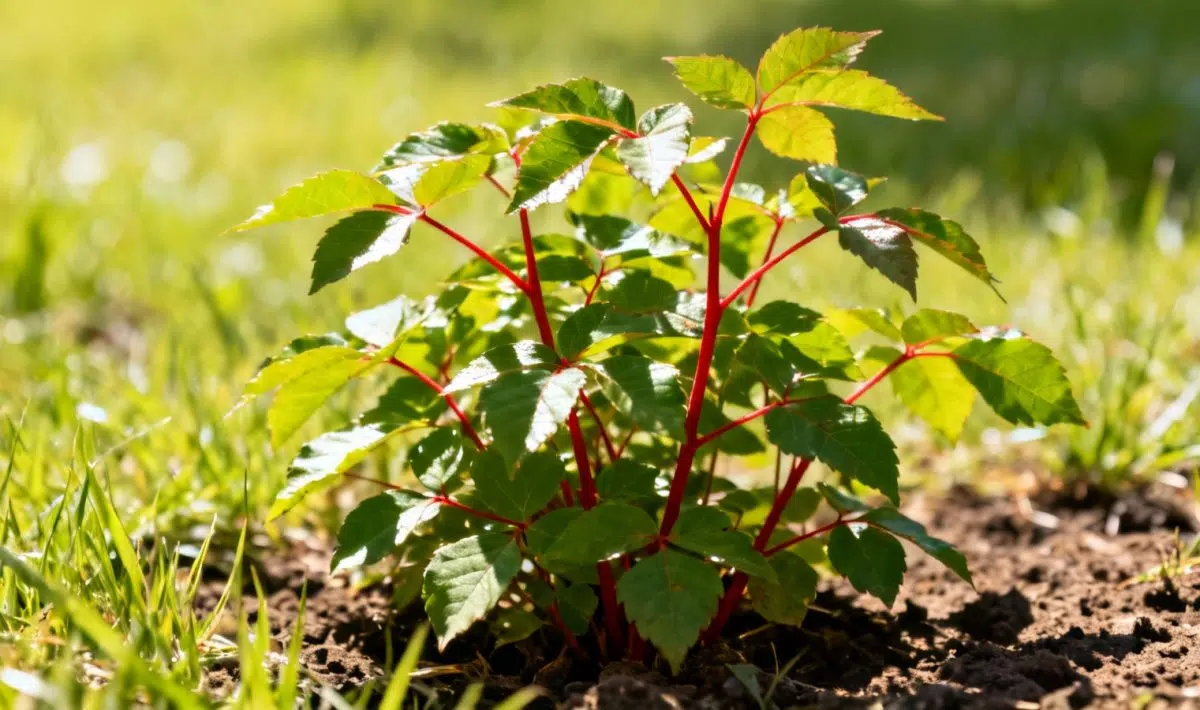
How much sunlight does poison ivy need to thrive in your garden or natural environment? This notorious plant, scientifically known as Toxicodendron radicans, requires approximately 3 to 6 hours of direct sunlight daily for optimal growth. However, one of the most remarkable characteristics of poison ivy is its impressive adaptability to various lighting conditions, making it a persistent presence in many landscapes.
Unlike many other plants that are rigid in their light requirements, poison ivy demonstrates exceptional flexibility. You’ll often find this resilient plant thriving in areas where other vegetation struggles to establish itself. The plant’s ability to adapt makes it both fascinating from a botanical perspective and challenging for property owners who wish to control its spread.
Light preferences and shade tolerance
Poison ivy clearly prefers full sun exposure but shows remarkable tolerance for partial shade conditions. You can observe this plant growing successfully along fence lines, beneath tree canopies, and in woodland edges where sunlight filters through sporadically throughout the day. The key limitation is complete shade – poison ivy cannot survive in areas that receive no direct sunlight whatsoever.
The plant’s tolerance for varying light conditions explains why you’ll encounter it in such diverse habitats. From sunny meadow edges to partially shaded forest undergrowth, poison ivy has mastered the art of making the most of available light resources. This adaptability contributes significantly to its widespread distribution across North America.
Interestingly, similar adaptability can be seen in other plants, such as understanding the sunlight requirements for growing pineapple, which also shows flexibility in light conditions though with different optimal ranges.
Growth patterns in different light conditions
When poison ivy receives abundant sunlight, it typically exhibits more robust growth with larger, more vibrant leaves. The plant produces more substantial root systems and spreads more aggressively under these optimal conditions. You’ll notice that poison ivy growing in full sun tends to have a bushier appearance with denser foliage coverage.
In partially shaded areas, the plant adapts by developing longer stems as it reaches toward available light sources. The leaves may appear slightly larger as the plant attempts to maximize its light-capturing surface area. This behavior is a classic plant response to lower light availability, demonstrating poison ivy’s remarkable survival instincts.
Environmental adaptability and growth factors
Beyond sunlight requirements, poison ivy demonstrates impressive environmental adaptability that extends to soil conditions, moisture levels, and temperature variations. The plant can establish itself in sandy soils, clay-heavy ground, and even rocky terrain where many other species would struggle to take root.
Moisture availability works hand-in-hand with sunlight exposure to influence poison ivy growth. In areas with adequate water supply, the plant can tolerate slightly less optimal light conditions and still maintain healthy development. Conversely, in drier locations, more sunlight becomes crucial for the plant to photosynthesize efficiently and maintain its water balance.
This adaptability principle applies to various plants, and you can see similar patterns when examining optimal sunlight for watermelon growth, where environmental factors interact to influence plant development.
Seasonal light variations
Poison ivy adapts to seasonal changes in light availability with remarkable efficiency. During spring emergence, when tree canopies are still developing, the plant takes advantage of increased light penetration to establish strong early growth. As summer progresses and overhead vegetation creates more shade, poison ivy adjusts its growth patterns accordingly.
Fall brings another interesting adaptation period, when decreasing daylight hours and changing leaf canopies alter the light environment once again. The plant’s ability to modify its growth strategy throughout these seasonal transitions contributes to its long-term survival and proliferation success.
Practical implications for identification and management
Understanding poison ivy’s light requirements helps in both identification and management strategies. You’re most likely to encounter vigorous poison ivy growth in areas that receive morning sunlight but may have afternoon shade protection. These conditions create an ideal balance that promotes healthy plant development without subjecting it to excessive heat stress.
For property management purposes, knowing where poison ivy thrives can help you anticipate problem areas. Fence lines, woodland edges, and partially cleared areas often provide the perfect light conditions that encourage poison ivy establishment and spread.
Garden enthusiasts dealing with various plants will find that light management principles apply broadly, as seen with ideal sunlight for spearmint cultivation, where understanding optimal conditions leads to better plant health outcomes.
Control strategies based on light manipulation
One effective long-term management approach involves manipulating light availability in areas where you want to discourage poison ivy growth. Creating deeper shade through strategic plantings of desirable vegetation can gradually reduce poison ivy’s competitive advantage and encourage its natural decline over time.
Alternatively, completely clearing an area and maintaining it as open space eliminates the partial shade conditions that poison ivy often favors. However, this approach requires ongoing maintenance to prevent the plant from re-establishing itself as conditions change.
Comparing poison ivy with other climbing plants
When compared to other climbing and trailing plants, poison ivy’s light requirements place it in the moderately adaptable category. Unlike plants that require full sun exposure for any meaningful growth, poison ivy’s tolerance for partial shade gives it a competitive advantage in mixed-light environments.
This flexibility distinguishes poison ivy from many garden favorites that have more specific light needs. The plant’s ability to photosynthesize efficiently under varying light conditions contributes to its reputation as a persistent and difficult-to-eliminate species in natural and cultivated landscapes.
Other plants with specific light requirements, such as sunlight needs of giant taro plants, demonstrate how different species have evolved distinct strategies for light utilization and adaptation.
Recognition tips based on growing conditions
Learning to recognize poison ivy in different light conditions can improve your ability to identify and avoid this problematic plant. In sunny locations, look for the characteristic three-leaflet pattern on more compact, bushy growth with glossy, well-developed leaves that may show reddish tinting.
In shadier locations, poison ivy often appears as more elongated vines with larger, thinner leaves reaching toward available light. The classic “leaves of three, let it be” rule applies regardless of growing conditions, but understanding how light affects the plant’s appearance helps with accurate identification across various environments.
Allan is a lifelong gardening enthusiast who still gets excited when the first seedlings pop up in spring. With a deep love for nature and a hands-in-the-soil approach, he shares practical tips, plant discoveries, and clever tricks picked up over years of digging, planting, and observing. Whether you’re a new gardener or have a shed full of tools, Allan writes like a neighbor who’s always happy to swap cuttings and stories over the fence.
You can find more about Allan’s work on Malt or connect with him on LinkedIn.