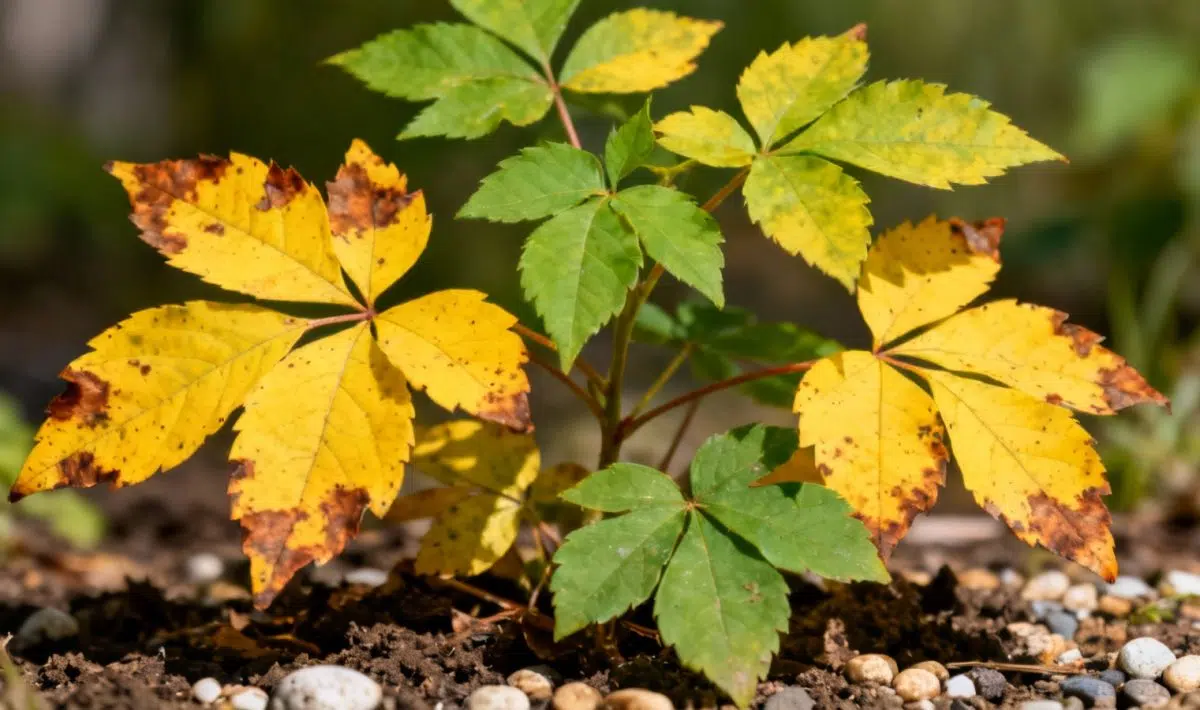
Why are my poison ivy leaves turning yellow? Understanding plant stress and seasonal changes
If you’ve noticed your poison ivy leaves turning yellow, you’re witnessing one of nature’s most common plant responses to various environmental factors. This yellowing, known as chlorosis, can occur for several reasons and understanding these causes will help you better manage your garden environment.
While poison ivy may not be a plant you actively cultivate, it’s important to understand its behavior patterns, especially if it appears in your garden or landscape. The yellowing of leaves often signals changes in the plant’s health or environment that deserve attention.
Understanding poison ivy and its natural characteristics
Poison ivy is a resilient plant that adapts well to various environmental conditions. This member of the cashew family displays distinctive three-leaflet clusters and can grow as both a climbing vine and ground cover. The plant’s leaves naturally change colors throughout the seasons, with yellow being one of the transitional hues.
During spring and early summer, poison ivy leaves typically appear bright green and glossy. However, as environmental conditions change, you may notice the foliage shifting from green to yellow, orange, or red. This transformation isn’t necessarily a sign of poor health but rather part of the plant’s natural lifecycle.
The plant thrives in diverse habitats, from woodland edges to disturbed soils, making it a common sight in many gardens and natural areas. Its adaptability means that yellowing leaves could indicate the plant is responding to specific environmental triggers rather than experiencing distress.
Seasonal changes and why poison ivy leaves turn yellow
Autumn brings the most dramatic color changes for poison ivy, and yellowing leaves are often the first sign that fall has arrived. During this period, chlorophyll production slows down, revealing other pigments that were previously masked by the dominant green color. This natural process can begin as early as late August in some regions.
Temperature fluctuations play a crucial role in triggering these color changes. Cool nights followed by warm days create the perfect conditions for anthocyanin production, which contributes to the yellow and red hues. However, if you’re seeing yellowing during other seasons, different factors may be at work.
Similar patterns occur with other climbing plants, and understanding causes of yellowing honeysuckle leaves can provide additional insights into how vines respond to environmental stress and seasonal changes.
Environmental stress factors
Water stress is one of the most common reasons for unexpected yellowing in poison ivy leaves. Both drought conditions and waterlogged soil can trigger this response. The plant may shed older leaves to conserve resources, starting with a yellow coloration before the leaves drop entirely.
Extreme temperatures, whether hot or cold, can also cause yellowing. During heat waves, the plant may experience water stress even with adequate soil moisture, as the leaves lose water faster than the roots can absorb it. Similarly, unexpected cold snaps can shock the plant into premature senescence.
Nutrient deficiencies, particularly nitrogen shortage, often manifest as yellowing leaves starting from the bottom of the plant and working upward. While poison ivy is generally not demanding in terms of soil fertility, poor soil conditions can still affect its appearance.
Disease and pest-related yellowing
Fungal infections can cause yellowing patterns that differ from natural seasonal changes. Diseases like leaf spot or powdery mildew often create irregular yellow patches rather than the uniform color change associated with autumn. These conditions thrive in humid environments with poor air circulation.
Pest infestations, though less common with poison ivy due to its natural toxins, can still occur. Spider mites, aphids, and scale insects may cause yellowing by damaging leaf tissues or blocking nutrient flow. The yellowing from pest damage typically appears as stippling or irregular patterns rather than uniform color changes.
Root diseases can also manifest through yellowing foliage. If the root system becomes compromised by fungal pathogens or physical damage, the entire plant may show signs of stress, beginning with yellowing leaves. This type of yellowing usually affects the entire plant rather than individual branches.
✅ Quick Checklist
Is the soil too wet or too dry?
Is the plant getting 6+ hours of sunlight daily?
Have you fertilized in the last 2 months?
Are there visible pests under the leaves?
Does the pot have adequate drainage?
🔥 FREE
📱
Diagnose your plant in one click!
AI instant diagnosis • Personalized solutions • 50,000+ species
If you’re dealing with poison ivy in your landscape, proper identification of the yellowing cause will help determine your next steps. For seasonal yellowing, no intervention is necessary as this represents normal plant behavior. However, if the yellowing appears during the growing season, investigation is warranted.
Start by examining the soil moisture levels around the plant. Poison ivy prefers well-draining soil that retains some moisture but doesn’t become waterlogged. If drainage is poor, consider improving soil structure with organic amendments or creating better drainage pathways.
For those managing other vine species alongside poison ivy, many of the same principles apply. The reasons for yellowing ivy leaves often overlap with poison ivy concerns, particularly regarding water management and environmental stress factors.
Prevention and long-term care
Regular monitoring of your garden environment helps prevent stress-related yellowing. Maintain consistent moisture levels during the growing season, but allow for natural dormancy periods when the plant expects less water. Mulching around the base can help regulate soil temperature and moisture.
Improving air circulation around dense growth areas reduces the risk of fungal diseases that cause yellowing. If poison ivy has become too thick, selective pruning during dormant seasons can help maintain plant health while reducing disease pressure.
Remember that poison ivy serves ecological purposes, providing food for wildlife and helping prevent soil erosion. Before removing yellowing plants entirely, consider whether the yellowing might be temporary and whether the plant serves beneficial functions in your landscape ecosystem.
When to seek professional help
If yellowing persists throughout the growing season or is accompanied by other symptoms like wilting, unusual spots, or pest activity, professional consultation may be beneficial. Extension services and certified arborists can help identify specific disease or pest issues that require targeted treatment.
Document the progression of yellowing with photos and notes about environmental conditions. This information helps professionals make accurate diagnoses and recommend appropriate treatment strategies. Keep records of recent weather patterns, watering schedules, and any chemical applications that might influence plant health.
In most cases, yellowing poison ivy leaves indicate natural processes or temporary stress rather than serious plant health issues. Understanding these patterns helps you make informed decisions about garden management while respecting the plant’s role in the broader ecosystem. Whether you’re dealing with seasonal changes or addressing specific stress factors, patience and careful observation will guide you toward the most appropriate response.
Allan is a lifelong gardening enthusiast who still gets excited when the first seedlings pop up in spring. With a deep love for nature and a hands-in-the-soil approach, he shares practical tips, plant discoveries, and clever tricks picked up over years of digging, planting, and observing. Whether you’re a new gardener or have a shed full of tools, Allan writes like a neighbor who’s always happy to swap cuttings and stories over the fence.
You can find more about Allan’s work on Malt or connect with him on LinkedIn.