Why are my eastern white pine leaves turning yellow – common causes and solutions
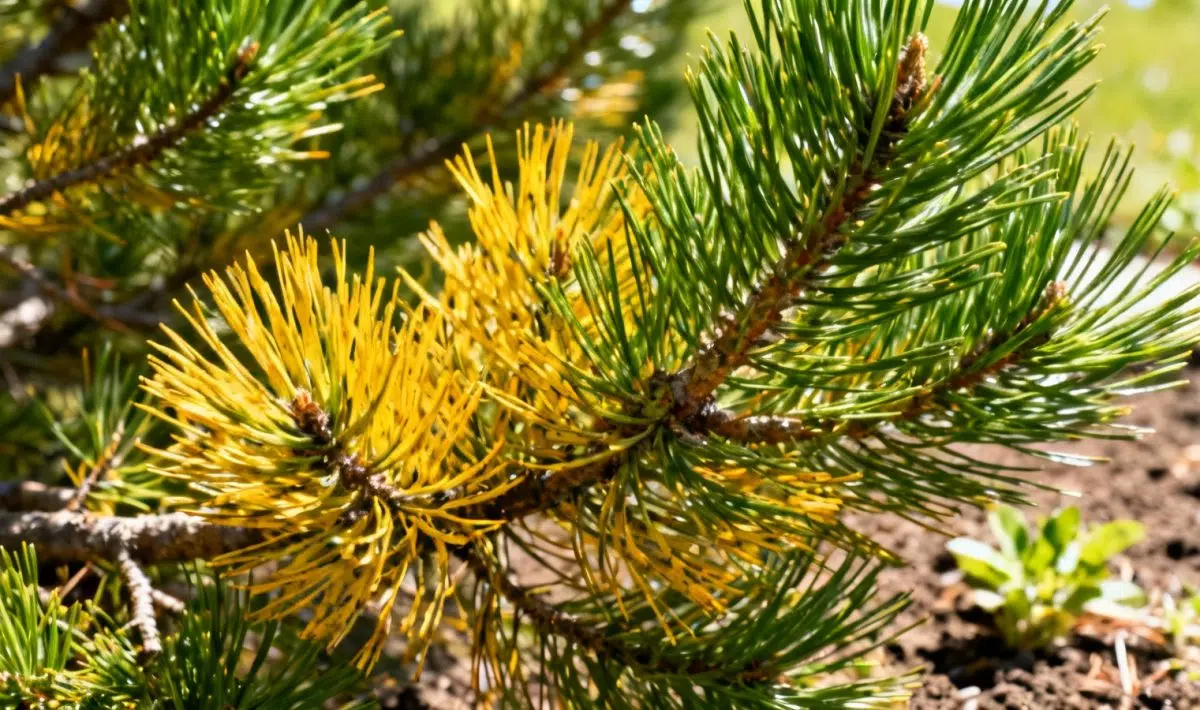
Seeing your majestic eastern white pine developing yellow needles can be quite alarming. These beautiful trees are known for their soft, blue-green foliage, so when the needles start turning yellow, it’s natural to worry about their health. The good news is that yellowing needles often have identifiable causes with practical solutions.
Understanding why this happens requires looking at various factors, from environmental conditions to potential diseases. Let’s explore the most common reasons behind this issue and what you can do to help your tree recover.
Environmental factors affecting eastern white pine health
Environmental stress is one of the primary culprits behind yellowing needles in eastern white pines. These trees are quite particular about their growing conditions, and even small changes in their environment can trigger stress responses.
Soil conditions and drainage issues
Eastern white pines thrive in well-draining, slightly acidic soil with a pH between 5.0 and 6.5. When the soil becomes waterlogged or too alkaline, the tree’s roots struggle to absorb essential nutrients, leading to yellowing needles. Poor drainage can also create conditions that favor root rot, which further compromises the tree’s health.
Clay soils that retain too much water are particularly problematic for these trees. If your pine is planted in heavy clay or an area where water pools after rain, this could be the source of your yellowing problem. Similarly, extremely sandy soils that drain too quickly can leave the tree stressed from lack of consistent moisture.
✅ Quick Checklist
Is the soil too wet or too dry?
Is the plant getting 6+ hours of sunlight daily?
Have you fertilized in the last 2 months?
Are there visible pests under the leaves?
Does the pot have adequate drainage?
🔥 FREE
📱
Diagnose your plant in one click!
AI instant diagnosis • Personalized solutions • 50,000+ species
Both too much and too little water can cause needle yellowing in eastern white pines. During drought periods, these trees may drop older needles to conserve water and energy. This natural response often starts with the needles turning yellow before they fall off.
Newly planted trees are especially susceptible to water stress as their root systems haven’t fully established. Even mature trees can struggle during extended dry periods, particularly if they’re competing with other plants for water or if their root zone has been disturbed by construction or landscaping activities.
Common diseases and pest problems
Several diseases and pests can cause yellowing in eastern white pine needles. Identifying the specific cause is crucial for choosing the right treatment approach.
Fungal infections affecting needle health
White pine blister rust is one of the most serious fungal diseases affecting these trees. This disease causes yellowing and browning of needles, often starting on lower branches and progressing upward. The fungus requires an alternate host (usually gooseberries or currants) to complete its life cycle, so removing these plants from the vicinity can help prevent infection.
Needle cast diseases are another group of fungal infections that cause yellowing and premature needle drop. These diseases thrive in humid conditions and are more common during wet springs and summers. Symptoms typically appear as yellow spots on needles that gradually expand and turn brown.
Just like with other plant species, yellowing can be a sign of various stress factors. For instance, similar symptoms appear in different plants – you might notice reasons for yellowing honeysuckle leaves share some common environmental causes with pine needle discoloration.
Insect pests and their impact
Several insects can cause stress that leads to yellowing needles. Pine needle scale insects feed on needle sap, causing yellowing and eventual needle drop. These tiny pests are often overlooked until damage becomes severe, as they’re well-camouflaged against the needle surface.
Spider mites can also cause yellowing, particularly during hot, dry weather when their populations explode. These microscopic pests cause stippling damage that initially appears as tiny yellow dots but can progress to overall needle yellowing if left untreated.
Seasonal changes and natural needle drop
It’s important to understand that some yellowing and needle drop is completely natural for eastern white pines. These evergreen trees typically shed their oldest needles (usually two to three years old) each fall, and this process often begins with the needles turning yellow.
This natural shedding usually affects inner needles closest to the trunk, while newer growth at the branch tips remains green and healthy. If yellowing is limited to older, interior needles and occurs during fall, this is likely normal seasonal behavior rather than a cause for concern.
Solutions and prevention strategies
Once you’ve identified the likely cause of yellowing, you can take appropriate action to help your tree recover and prevent future problems.
Improving soil and water management
If soil drainage is the issue, consider amending the planting area with organic matter like compost or aged pine bark to improve structure. For trees in low-lying areas prone to waterlogging, you might need to install drainage tiles or create raised planting beds.
For water stress, establish a consistent watering schedule that provides deep, infrequent irrigation rather than frequent shallow watering. Apply a 2-4 inch layer of organic mulch around the tree’s base to help retain soil moisture and regulate temperature, but keep the mulch away from the trunk to prevent pest and disease issues.
✅ Quick Checklist
Is the soil too wet or too dry?
Is the plant getting 6+ hours of sunlight daily?
Have you fertilized in the last 2 months?
Are there visible pests under the leaves?
Does the pot have adequate drainage?
🔥 FREE
📱
Diagnose your plant in one click!
AI instant diagnosis • Personalized solutions • 50,000+ species
For fungal diseases, improve air circulation around the tree by pruning competing vegetation and ensuring proper spacing. Fungicide applications may be necessary for severe infections, but timing is crucial – treatments are most effective when applied preventively or at the first sign of symptoms.
Pest management often starts with encouraging beneficial insects and maintaining tree health through proper care. For severe infestations, targeted treatments like horticultural oils or insecticidal soaps can be effective, especially when applied during the pests’ vulnerable life stages.
Interestingly, yellowing symptoms aren’t unique to pine trees – similar issues can affect various plant species. For example, causes of yellowing snake plant leaves often stem from comparable environmental stressors, though the specific solutions may differ.
Long-term tree care practices
Regular monitoring is essential for catching problems early. Walk around your tree monthly, looking for changes in needle color, unusual growth patterns, or signs of pest activity. Keep a simple garden journal to track when you notice changes – this information can be valuable for identifying patterns or triggers.
Annual soil testing can help you maintain optimal growing conditions by monitoring pH levels and nutrient availability. Eastern white pines don’t typically require heavy fertilization, but they may benefit from occasional applications of balanced, slow-release fertilizer if soil tests indicate deficiencies.
Proper pruning practices also support overall tree health. Remove dead, diseased, or damaged branches promptly, and avoid over-pruning, which can stress the tree and make it more susceptible to problems. When pruning, use clean, sharp tools to prevent spreading diseases between cuts.
Remember that tree recovery takes time – don’t expect immediate results from your interventions. With proper care and patience, your eastern white pine should gradually return to its healthy, vibrant green appearance. The key is identifying the underlying cause and addressing it consistently while supporting the tree’s overall health through good cultural practices.
Allan is a lifelong gardening enthusiast who still gets excited when the first seedlings pop up in spring. With a deep love for nature and a hands-in-the-soil approach, he shares practical tips, plant discoveries, and clever tricks picked up over years of digging, planting, and observing. Whether you’re a new gardener or have a shed full of tools, Allan writes like a neighbor who’s always happy to swap cuttings and stories over the fence.
You can find more about Allan’s work on Malt or connect with him on LinkedIn.