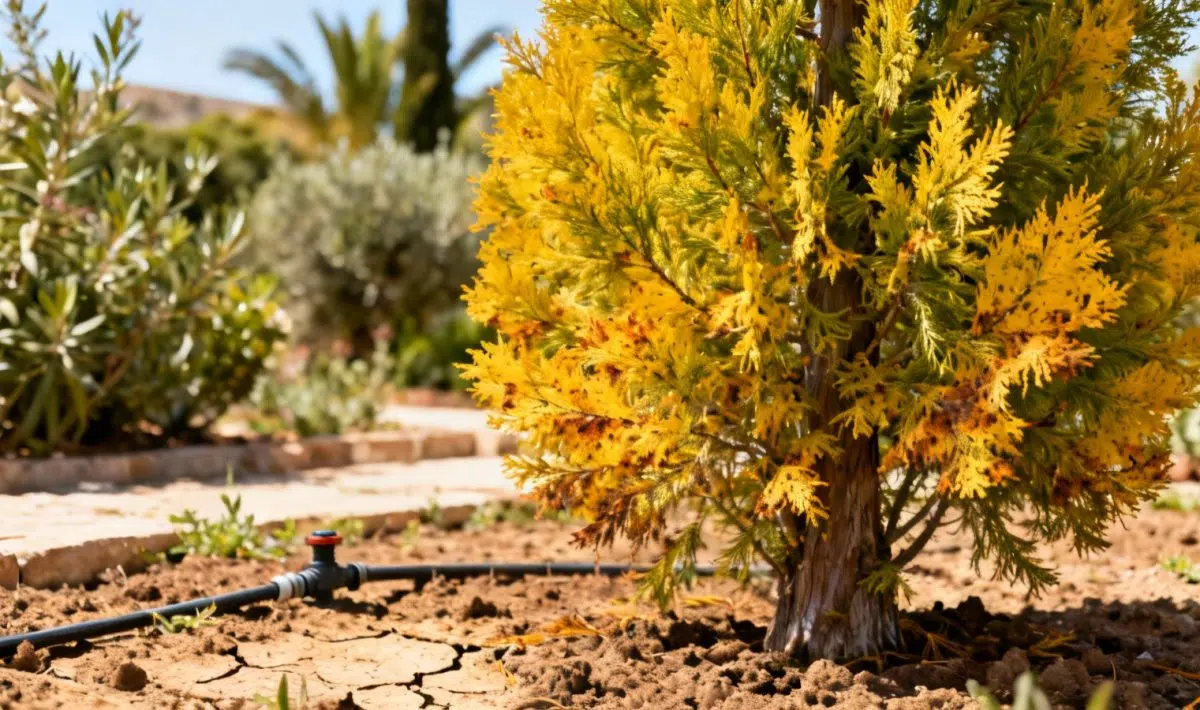
Why are my bald cypress leaves turning yellow? Mediterranean garden care solutions
Seeing your beautiful bald cypress turning yellow can be quite alarming, especially when you’ve been caring for it with dedication. However, this yellowing isn’t always a cause for panic. Understanding what makes these magnificent trees change color will help you determine whether it’s a natural process or something that needs your immediate attention.
Understanding your bald cypress and its natural behavior
Bald cypress trees are fascinating specimens that can thrive in Mediterranean climates when their needs are met properly. These deciduous conifers naturally shed their needles each fall, which means some yellowing is completely normal during autumn months. The key is learning to distinguish between natural seasonal changes and signs of stress or disease.
Native to wetlands and swampy areas, bald cypress trees have adapted to handle both wet and dry conditions remarkably well. They prefer full sun exposure with at least six hours of direct sunlight daily. When they don’t receive adequate light, their foliage can begin to yellow as the tree struggles to photosynthesize efficiently.
✅ Quick Checklist
Is the soil too wet or too dry?
Is the plant getting 6+ hours of sunlight daily?
Have you fertilized in the last 2 months?
Are there visible pests under the leaves?
Does the pot have adequate drainage?
🔥 FREE
📱
Diagnose your plant in one click!
AI instant diagnosis • Personalized solutions • 50,000+ species
Water management is crucial for maintaining healthy bald cypress foliage. These trees can handle both wet and dry conditions, but they don’t appreciate extreme fluctuations. Overwatering can lead to root rot, which prevents the tree from absorbing nutrients properly, resulting in yellowing needles that start from the bottom branches and work their way up.
On the flip side, prolonged drought stress will also cause yellowing, but this typically affects the entire canopy more uniformly. In Mediterranean climates, summer heat can be particularly challenging. Your cypress needs consistent moisture without waterlogged conditions. A good rule of thumb is to water deeply but less frequently, allowing the soil to dry slightly between waterings.
Poor drainage is another common culprit behind yellowing foliage. If water sits around the roots for extended periods, oxygen can’t reach them effectively. This suffocates the root system and prevents nutrient uptake, leading to that telltale yellow appearance that many gardeners worry about.
Nutritional deficiencies and soil conditions
Nutrient deficiencies often manifest as yellowing foliage, with nitrogen deficiency being the most common issue. When your bald cypress lacks nitrogen, the older needles turn yellow first while newer growth remains green. This pattern helps you identify the problem quickly and take appropriate action.
Iron deficiency causes a different type of yellowing called chlorosis, where needles turn yellow but their veins remain green. This typically occurs in alkaline soils where iron becomes unavailable to the plant, even though it might be present in the soil. Mediterranean soils can sometimes be quite alkaline, making this a relevant concern for many gardeners.
Soil pH plays a significant role in nutrient availability. Bald cypress trees prefer slightly acidic to neutral soil with a pH between 6.0 and 7.5. When the soil becomes too alkaline or too acidic, certain nutrients become locked up and unavailable to the tree, regardless of how much fertilizer you apply.
Environmental stressors in Mediterranean climates
Mediterranean climates can be challenging for bald cypress trees, particularly during extreme weather events. Intense summer heat combined with low humidity can stress these trees significantly. When temperatures soar above 35°C (95°F) for extended periods, the tree may respond by yellowing some of its foliage as a protective mechanism.
Winter damage from unexpected cold snaps can also cause yellowing that becomes apparent in spring. While bald cypress trees are generally cold-hardy, sudden temperature drops or prolonged freezing periods can damage tender new growth, leading to yellowing and eventual needle drop.
Wind exposure is another factor that’s often overlooked. Strong, dry winds can desiccate foliage quickly, causing yellowing and browning. This is particularly problematic for young trees or those planted in exposed locations without adequate wind protection.
Pest and disease considerations
Several pests and diseases can cause yellowing in bald cypress trees. Spider mites are particularly troublesome during hot, dry weather. These tiny pests feed on needle sap, causing stippling that eventually leads to yellowing and browning. You’ll often notice fine webbing on affected branches, which is a telltale sign of spider mite activity.
Fungal diseases like needle blight can also cause yellowing, typically starting with brown or yellow spots on individual needles before spreading to entire branches. Poor air circulation and high humidity create ideal conditions for these fungal pathogens to develop and spread throughout the tree.
Scale insects are another concern, as they attach to needles and branches, sucking plant juices and weakening the tree. Heavy infestations can cause significant yellowing and decline. Similar issues can occur with other cypress species, such as the reasons for yellowing honeysuckle leaves which share some common pest problems.
Practical solutions for yellow cypress leaves
Once you’ve identified the likely cause of yellowing, you can take targeted action to help your tree recover. For water-related issues, adjust your irrigation schedule and improve drainage around the root zone. Installing a drip irrigation system can help maintain consistent moisture levels without overwatering.
Nutritional problems require soil testing to determine specific deficiencies. A balanced, slow-release fertilizer applied in early spring can address most nutrient needs. For iron deficiency in alkaline soils, use chelated iron supplements or consider acidifying the soil gradually with organic matter like compost or pine needles.
Pest management should focus on early detection and targeted treatments. Regular inspection of your tree will help you catch problems before they become severe. Horticultural oils can effectively control spider mites and scale insects without harming beneficial insects. For those dealing with similar yellowing issues in other evergreens, understanding how to address yellowing cypress leaves can provide additional insights.
✅ Quick Checklist
Is the soil too wet or too dry?
Is the plant getting 6+ hours of sunlight daily?
Have you fertilized in the last 2 months?
Are there visible pests under the leaves?
Does the pot have adequate drainage?
🔥 FREE
📱
Diagnose your plant in one click!
AI instant diagnosis • Personalized solutions • 50,000+ species
Preventing yellowing is always better than treating it after the fact. Establishing proper growing conditions from the start will help your bald cypress thrive with minimal intervention. Choose a location that receives adequate sunlight and has good air circulation but protection from harsh winds.
Mulching around the base of your tree helps maintain consistent soil moisture and temperature while suppressing weeds that compete for nutrients. Use organic mulch like wood chips or shredded bark, keeping it a few inches away from the trunk to prevent moisture buildup and potential pest harboring.
Regular monitoring is essential for early problem detection. Check your tree weekly during the growing season, paying attention to new growth, overall color, and any signs of pest activity. Early intervention is always more effective and less costly than waiting until problems become severe.
Remember that some yellowing and needle drop is natural, especially in fall when deciduous conifers prepare for winter dormancy. Understanding these natural cycles will help you distinguish between normal seasonal changes and actual problems that require your attention and care.
Allan is a lifelong gardening enthusiast who still gets excited when the first seedlings pop up in spring. With a deep love for nature and a hands-in-the-soil approach, he shares practical tips, plant discoveries, and clever tricks picked up over years of digging, planting, and observing. Whether you’re a new gardener or have a shed full of tools, Allan writes like a neighbor who’s always happy to swap cuttings and stories over the fence.
You can find more about Allan’s work on Malt or connect with him on LinkedIn.