Why are my lawson’s cypress leaves turning yellow – causes and solutions
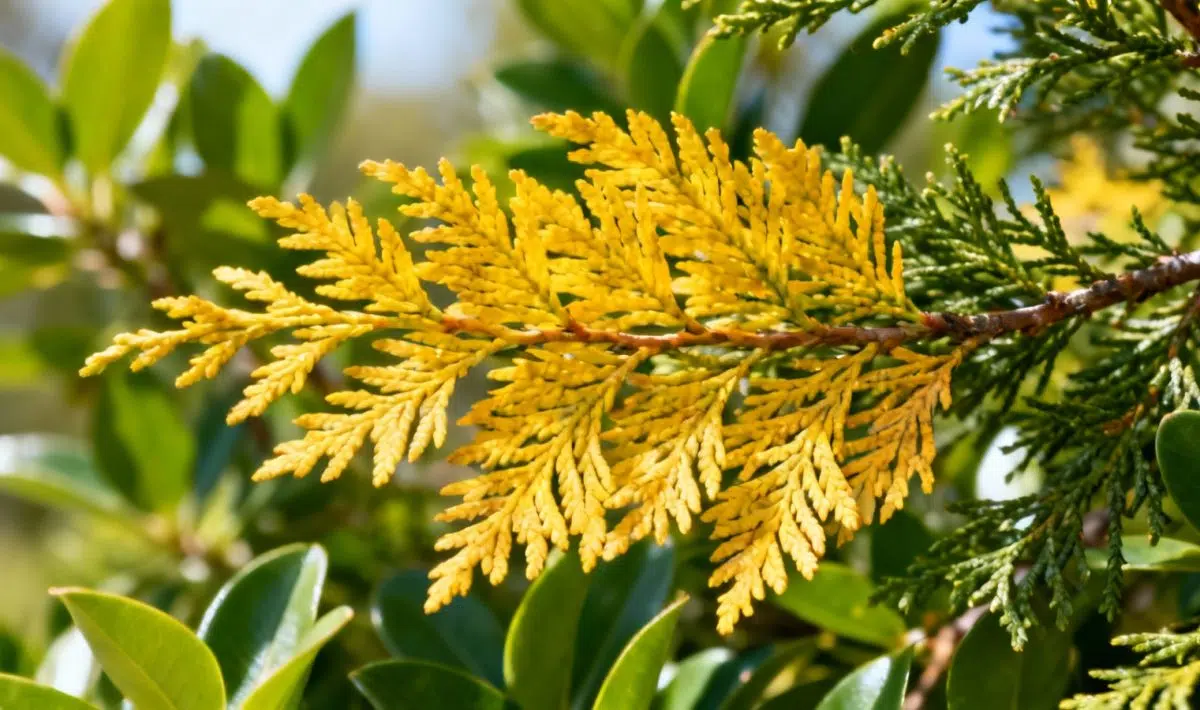
Seeing your beautiful Lawson’s cypress (Chamaecyparis lawsoniana) develop yellow leaves can be quite concerning. However, this common issue usually has straightforward solutions once you identify the underlying cause. Yellow foliage on these elegant evergreens typically signals stress from environmental factors, care practices, or occasionally, pest problems.
Before diving into the causes, it’s helpful to understand what makes Chamaecyparis lawsoniana such a popular choice for gardens. These versatile conifers originate from the Pacific Northwest and are prized for their dense, graceful foliage and adaptability to various conditions. The variety ‘Glauca’ is particularly sought after for its blue-green needles that create stunning visual impact in any landscape.
Like most evergreens, Lawson cypress trees naturally shed older needles, which turn yellow before dropping. This process typically occurs in late summer or early fall and affects only interior foliage. When yellowing appears on newer growth or affects large portions of the tree, it’s time to investigate further.
✅ Quick Checklist
Is the soil too wet or too dry?
Is the plant getting 6+ hours of sunlight daily?
Have you fertilized in the last 2 months?
Are there visible pests under the leaves?
Does the pot have adequate drainage?
🔥 FREE
📱
Diagnose your plant in one click!
AI instant diagnosis • Personalized solutions • 50,000+ species
Improper watering ranks as the top culprit behind yellowing Lawson cypress foliage. Both overwatering and underwatering create stress that manifests as yellow needles, though the patterns differ slightly.
Overwatering leads to waterlogged soil conditions that prevent roots from accessing oxygen. This situation causes root rot, which quickly spreads yellowing from the base of the tree upward. You’ll notice the soil feels constantly soggy, and there might be a musty smell around the root area.
Conversely, underwatering creates drought stress that turns needles yellow as the tree attempts to conserve moisture. In this case, yellowing typically starts at branch tips and works inward, often accompanied by browning and dropping of affected needles.
To address watering issues, check soil moisture by inserting your finger 2-3 inches deep. The soil should feel slightly moist but not waterlogged. Adjust your watering schedule accordingly, ensuring the tree receives about 1 inch of water weekly during growing season.
Nutrient deficiencies and soil conditions
Poor soil nutrition frequently contributes to yellowing foliage in Chamaecyparis lawsoniana. These trees prefer well-draining, slightly acidic soil with a pH between 5.0 and 6.5. When soil becomes too alkaline or lacks essential nutrients, yellowing occurs as a stress response.
Nitrogen deficiency shows up as general yellowing of older needles first, gradually progressing to newer growth. Iron deficiency, common in alkaline soils, causes yellowing between leaf veins while veins remain green. Magnesium deficiency creates similar symptoms but typically affects older foliage more severely.
Testing your soil pH and nutrient levels provides valuable insight into correction strategies. Most garden centers offer simple soil test kits, or you can send samples to extension services for comprehensive analysis.
Disease and pest problems
While less common than environmental stresses, certain diseases and pests can cause yellowing in Lawson cypress trees. Phytophthora root rot, particularly problematic in poorly draining soils, creates widespread yellowing accompanied by branch dieback.
Spider mites, especially during hot, dry periods, feed on needle sap and cause stippling that appears as yellowing or bronzing. These tiny pests often go unnoticed until damage becomes significant. Similar yellowing patterns can occur with other plants, such as reasons for yellowing honeysuckle leaves , though the underlying causes may differ.
Cypress canker disease creates localized yellowing around infected branches, eventually leading to branch death if left untreated. This fungal problem typically enters through wounds or stressed areas of the tree.
Regular inspection of your tree helps catch pest and disease issues early. Look for webbing, unusual spots on needles, or areas of dieback that might indicate problems requiring targeted treatment.
Environmental stress factors
Environmental conditions play a significant role in Lawson cypress health. These trees prefer locations with morning sun and afternoon shade, especially in hotter climates. Too much intense sunlight can cause needle burn, appearing as yellowing followed by browning.
Wind exposure, particularly during winter, creates desiccation stress that manifests as yellowing and browning of exposed foliage. Young trees are especially susceptible to wind damage and may require temporary windbreaks.
Temperature fluctuations, especially rapid freeze-thaw cycles, can damage needle tissue and cause yellowing. This type of damage often appears after harsh winter conditions or unexpected late frosts.
✅ Quick Checklist
Is the soil too wet or too dry?
Is the plant getting 6+ hours of sunlight daily?
Have you fertilized in the last 2 months?
Are there visible pests under the leaves?
Does the pot have adequate drainage?
🔥 FREE
📱
Diagnose your plant in one click!
AI instant diagnosis • Personalized solutions • 50,000+ species
Once you’ve identified the likely cause of yellowing, implementing appropriate solutions becomes straightforward. For watering issues, establish a consistent schedule based on soil moisture rather than calendar dates. Deep, infrequent watering encourages healthy root development better than frequent shallow watering.
Improving soil drainage often solves multiple problems simultaneously. Adding organic matter like compost or aged bark mulch enhances drainage while providing slow-release nutrients. For severely compacted soils, consider creating raised planting beds.
Nutritional deficiencies respond well to targeted fertilization. Use an acidifying fertilizer designed for evergreens, applying according to package directions. For iron deficiency in alkaline soils, chelated iron products provide immediate results while soil amendments work long-term.
When dealing with pest or disease issues, early intervention proves most effective. Remove affected branches promptly, sterilizing pruning tools between cuts. For widespread problems, consult with local extension services or certified arborists for appropriate treatment recommendations.
Prevention strategies for healthy trees
Preventing yellow foliage problems starts with proper planting and ongoing care practices. Choose planting locations that provide morning sun and protection from harsh afternoon heat. Ensure adequate spacing between trees to promote air circulation and reduce disease pressure.
Mulching around the base of your Lawson cypress helps maintain consistent soil moisture and temperature while suppressing weeds. Apply 2-3 inches of organic mulch, keeping it several inches away from the trunk to prevent moisture-related problems.
Regular monitoring allows early detection of issues before they become serious problems. Just as with other plants like those with causes of yellowing pomegranate leaves , catching problems early makes treatment more effective and less intensive.
Annual soil testing helps maintain optimal growing conditions by identifying nutrient imbalances or pH shifts before they affect tree health. Most problems are easier and less expensive to prevent than to cure once symptoms appear.
When to seek professional help
While many yellowing issues can be addressed with basic care adjustments, some situations warrant professional intervention. If yellowing progresses rapidly despite your best efforts, or if you notice extensive branch dieback, consulting a certified arborist becomes advisable.
Large, mature trees represent significant landscape investments that justify professional care when serious problems develop. Certified arborists have access to specialized treatments and diagnostic tools that may not be available to homeowners.
Additionally, if you suspect disease issues, professional diagnosis ensures appropriate treatment selection. Many fungal problems require specific fungicides applied at precise timing for maximum effectiveness.
With proper attention to watering, nutrition, and environmental conditions, your Lawson cypress can recover from yellowing episodes and continue providing years of beautiful landscape appeal. Remember that these resilient trees often bounce back remarkably well once underlying stresses are addressed.
Allan is a lifelong gardening enthusiast who still gets excited when the first seedlings pop up in spring. With a deep love for nature and a hands-in-the-soil approach, he shares practical tips, plant discoveries, and clever tricks picked up over years of digging, planting, and observing. Whether you’re a new gardener or have a shed full of tools, Allan writes like a neighbor who’s always happy to swap cuttings and stories over the fence.
You can find more about Allan’s work on Malt or connect with him on LinkedIn.