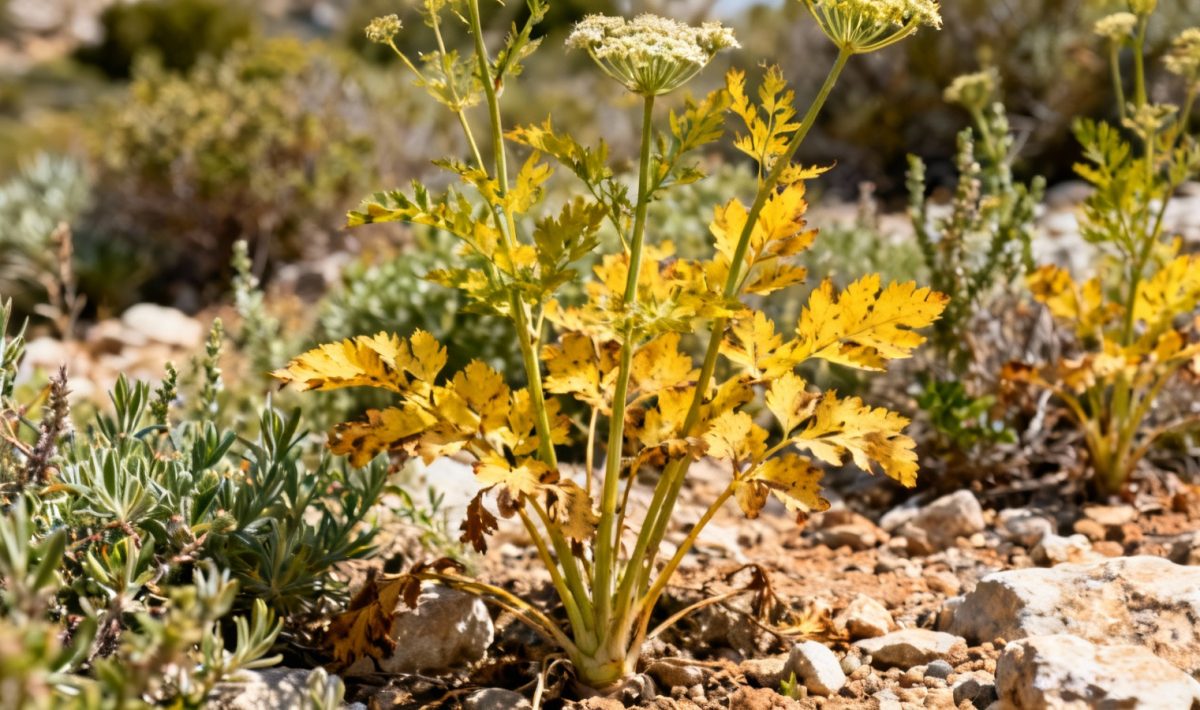
Understanding yellowing leaves in wild carrots (Daucus carota)
When you notice your wild carrot leaves turning yellow, it’s natural to feel concerned about your plants’ health. Wild carrots, scientifically known as Daucus carota, are hardy plants that can thrive in Mediterranean conditions, but they’re not immune to various stresses that manifest as yellowing foliage. Understanding the root causes will help you address the problem effectively and restore your plants to vibrant health.
This yellowing phenomenon can stem from multiple factors, ranging from environmental conditions to nutritional deficiencies. The good news is that most causes are treatable once you identify what’s affecting your wild carrots. Let’s explore the most common reasons and practical solutions that will get your garden back on track.
✅ Quick Checklist
Is the soil too wet or too dry?
Is the plant getting 6+ hours of sunlight daily?
Have you fertilized in the last 2 months?
Are there visible pests under the leaves?
Does the pot have adequate drainage?
🔥 FREE
📱
Diagnose your plant in one click!
AI instant diagnosis • Personalized solutions • 50,000+ species
Environmental factors causing yellowing in carrot plants
Soil moisture and drainage issues
Poor drainage is one of the primary culprits for yellowing wild carrot leaves. These plants prefer well-draining soil with consistent but not excessive moisture. When roots sit in waterlogged conditions, they can’t absorb nutrients properly, leading to yellowing that typically starts from the bottom leaves and works upward.
Conversely, prolonged drought stress will also cause leaves to yellow as the plant conserves energy. In Mediterranean climates, wild carrots need regular watering during dry spells, but the soil should dry out slightly between waterings. Check soil moisture by inserting your finger about 2 inches deep – it should feel slightly moist but not soggy.
Light and temperature considerations
Wild carrots thrive with 6-8 hours of direct sunlight daily, but in extremely hot Mediterranean summers, they may benefit from some afternoon shade. Too much shade can cause leaves to yellow and become spindly as the plant stretches toward light. Similarly, sudden temperature fluctuations or unseasonably cold weather can stress plants and trigger yellowing.
If you’re growing wild carrots in containers, consider moving them during extreme weather conditions. These adaptable plants can tolerate various conditions, but consistent care yields the best results for healthy, green foliage.
Nutritional deficiencies in wild carrots
Nitrogen deficiency symptoms
Yellow leaves starting from the bottom of the plant often indicate nitrogen deficiency. This essential nutrient is crucial for chlorophyll production and overall plant vigor. In sandy Mediterranean soils, nitrogen can leach away quickly with frequent watering, leaving plants undernourished.
To address nitrogen deficiency, apply a balanced, slow-release fertilizer or compost around the plants. Fish emulsion or liquid seaweed fertilizer work particularly well for carrots and can be applied every 2-3 weeks during the growing season. Avoid over-fertilizing with nitrogen-heavy feeds, as this can promote excessive leaf growth at the expense of root development.
Other essential nutrients
Iron deficiency causes yellowing between leaf veins while the veins remain green, a condition called chlorosis. This often occurs in alkaline soils common in Mediterranean regions. Magnesium deficiency also causes yellowing, but it typically affects older leaves first and may show as yellow patches between dark green veins.
Regular soil testing helps identify specific deficiencies. Adding organic matter like compost improves nutrient availability and soil structure. For quick fixes, foliar feeding with a balanced liquid fertilizer can provide immediate relief while you address underlying soil issues.
Common diseases and pests affecting wild carrot leaves
Fungal diseases
Several fungal infections can cause yellowing in wild carrot leaves. Leaf blight and downy mildew are common in humid conditions or when plants are watered overhead frequently. These diseases often start as small yellow spots that gradually expand and may develop fuzzy growth on leaf undersides.
Prevention is key with fungal issues. Ensure good air circulation around plants by proper spacing and avoid watering leaves directly. If you notice signs of fungal disease, remove affected leaves immediately and consider applying an organic fungicide. Similar yellowing patterns can affect other wild plants, as seen with causes of yellowing bergamot leaves in Mediterranean gardens.
Insect pest damage
Aphids, spider mites, and carrot rust flies can all cause yellowing leaves through their feeding activities. These pests weaken plants by sucking plant juices or damaging roots. Regular inspection of your wild carrots helps catch pest problems early when they’re easier to manage.
Look for small insects on leaf undersides, fine webbing (spider mites), or tiny holes in leaves. Beneficial insects like ladybugs and lacewings naturally control many carrot pests. For severe infestations, insecticidal soap or neem oil provide organic control options that won’t harm beneficial insects when used correctly.
Growing wild carrots successfully in Mediterranean conditions
Optimal planting and care practices
Wild carrots (Daucus carota) are remarkably adaptable to Mediterranean climates, but they perform best with thoughtful placement and care. Plant them in autumn for spring harvest, or in early spring for summer crops. Choose varieties bred for warm climates, as they’ll show better disease resistance and heat tolerance.
Prepare planting sites with well-amended soil that drains freely but retains some moisture. Wild carrots prefer slightly alkaline soil, which is naturally present in many Mediterranean regions. Space plants adequately to ensure good air circulation – this prevents many of the fungal issues that cause yellowing leaves.
✅ Quick Checklist
Is the soil too wet or too dry?
Is the plant getting 6+ hours of sunlight daily?
Have you fertilized in the last 2 months?
Are there visible pests under the leaves?
Does the pot have adequate drainage?
🔥 FREE
📱
Diagnose your plant in one click!
AI instant diagnosis • Personalized solutions • 50,000+ species
Regular monitoring helps catch problems before they become serious. Check your wild carrots weekly for signs of stress, including yellowing leaves, wilting, or pest activity. Early detection makes treatment more effective and prevents problems from spreading to neighboring plants.
Maintain consistent watering schedules, especially during dry Mediterranean summers. Mulching around plants helps retain soil moisture and suppress weeds that compete for nutrients. Organic mulches like straw or shredded leaves gradually break down, adding nutrients to the soil.
Wild plant varieties often show similar stress symptoms, much like reasons for honeysuckle leaf yellowing in garden settings. Understanding these common patterns helps you become a more observant and successful gardener.
Prevention strategies for healthy wild carrot plants
The best approach to yellowing leaves is prevention through proper cultural practices. Start with healthy plants from reputable sources, and plant them at the right time for your Mediterranean climate. Avoid overcrowding, which creates conditions favorable for disease development.
Implement a regular feeding schedule using balanced, organic fertilizers that provide steady nutrition without promoting excessive growth. Crop rotation helps prevent soil-borne diseases and nutrient depletion that can lead to yellowing leaves in subsequent seasons.
Consider companion planting with herbs like rosemary or thyme, which can help deter some pests naturally while thriving in similar Mediterranean conditions. These aromatic plants complement wild carrots both in the garden and on the plate, making your space both functional and beautiful.
With consistent attention to these fundamental growing practices, your wild carrots will develop strong, healthy foliage that resists yellowing and produces robust plants. Remember that some seasonal yellowing of older leaves is normal, but widespread or sudden yellowing indicates issues that need your attention.
Allan is a lifelong gardening enthusiast who still gets excited when the first seedlings pop up in spring. With a deep love for nature and a hands-in-the-soil approach, he shares practical tips, plant discoveries, and clever tricks picked up over years of digging, planting, and observing. Whether you’re a new gardener or have a shed full of tools, Allan writes like a neighbor who’s always happy to swap cuttings and stories over the fence.
You can find more about Allan’s work on Malt or connect with him on LinkedIn.