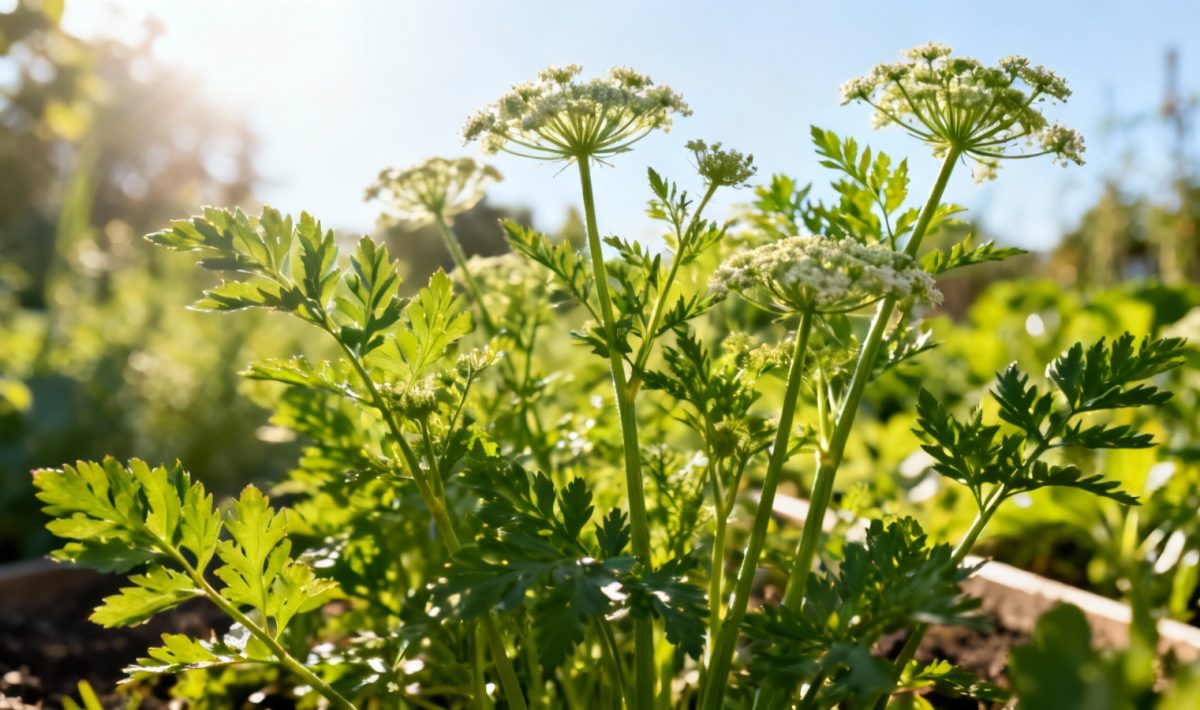
How much sunlight does wild carrot need for optimal garden growth
Wild carrot, scientifically known as Daucus carota, has specific sunlight requirements that can make or break your gardening success. Understanding these needs will help you create the perfect growing conditions for this hardy biennial plant that thrives in many gardens across different regions.
Wild carrot plants are sun-loving specimens that perform best with ample direct sunlight throughout the day. These robust plants have evolved to flourish in open meadows and fields where they receive unfiltered sunshine for most daylight hours. Your garden can replicate these natural conditions by providing at least six to eight hours of direct sunlight daily.
The plant’s preference for full sun stems from its need for intense photosynthesis to support its extensive root system development. When wild carrot receives adequate sunlight, it produces stronger stems, more abundant foliage, and develops the characteristic umbrella-shaped flower clusters that make it so recognizable in nature.
Optimal sunlight conditions for garden cultivation
For gardeners wondering about the ideal lighting setup, wild carrot thrives best in locations that receive full sun exposure. This means your planting area should get direct sunlight from morning until late afternoon without significant obstruction from buildings, trees, or other structures.
However, wild carrot demonstrates remarkable adaptability and can tolerate partial shade conditions, though with reduced vigor. In areas with afternoon shade, plants may grow taller as they stretch toward available light sources, but this often results in weaker stems and reduced flowering. Much like sunlight requirements for wild privet, wild carrot benefits from consistent morning sun exposure even when afternoon light is limited.
The quality of light matters as much as quantity. Research from controlled growing environments shows that wild carrot responds exceptionally well to specific light spectrums. Red light wavelengths particularly enhance leaf development and overall plant height, while blue light contributes to sturdy stem formation and root development.
Managing sunlight in different garden conditions
Not every garden offers perfect full-sun conditions, but you can still successfully grow wild carrot with some strategic planning. In partially shaded areas, position your plants where they receive the most intense morning sunlight, as this timing aligns with the plant’s natural photosynthetic rhythms.
South-facing garden areas typically provide the most consistent sunlight throughout the day, making them ideal locations for wild carrot cultivation. East-facing spots work well too, especially in regions with intense afternoon heat where some protection can prevent stress. Similar to optimal sunlight for wild bergamot, wild carrot appreciates morning sun exposure for optimal development.
If your garden has limited sunny spaces, consider companion planting strategies. Low-growing vegetables and herbs can share space without competing for light, while taller plants should be positioned where they won’t cast shadows on your wild carrot during peak sunlight hours.
Seasonal sunlight considerations
Wild carrot’s sunlight needs vary throughout its growth cycle, much like many garden vegetables. During spring establishment, young plants benefit from gentle morning sun with some afternoon protection, especially in regions with harsh late-season frosts. As plants mature, they can handle increasingly intense sunlight exposure.
Summer months bring the most critical period for sunlight optimization. Mature wild carrot plants during this season need consistent, strong sunlight to support flower development and seed production. Just as ideal sunlight for growing cucumbers requires careful attention to seasonal changes, wild carrot benefits from monitoring light patterns as seasons progress.
In autumn, wild carrot plants focus energy on root development and seed maturation. Adequate sunlight during this period ensures proper energy storage and successful completion of the plant’s biennial lifecycle.
Troubleshooting common sunlight problems
Insufficient sunlight creates several recognizable symptoms in wild carrot plants. Leggy growth with pale green coloration indicates your plants are stretching toward light sources and not receiving adequate intensity. Reduced flowering or delayed bloom times also signal lighting deficiencies.
Conversely, excessive heat combined with intense sunlight can stress plants, particularly in southern climates during peak summer months. Wilting during hottest parts of the day, despite adequate soil moisture, suggests your plants might benefit from light afternoon shade or increased watering frequency.
Creating microclimates within your garden helps address these challenges. Reflective mulches can increase light availability for plants in partially shaded areas, while shade cloth provides relief during extreme heat periods. Understanding these principles applies to many garden plants, including sunlight needs of sycamore trees and other sun-loving species.
Maximizing growth through proper light management
Strategic garden layout significantly impacts your wild carrot’s sunlight exposure. Position taller plants and structures on the north side of growing areas to prevent shading during crucial daylight hours. This arrangement ensures consistent light availability throughout the growing season.
Regular monitoring helps optimize conditions as seasons change. Shadow patterns shift as the sun’s angle changes, so areas that receive full sun in spring might become partially shaded by midsummer. Adjusting plant positions or removing competing vegetation maintains optimal lighting conditions.
Container growing offers flexibility for sunlight optimization. Portable containers allow you to move plants to follow optimal light conditions throughout the day or season, ensuring consistent exposure regardless of fixed garden limitations. This approach works particularly well for gardeners with challenging lighting conditions, similar to managing sunlight conditions for healthy potatoes in variable garden environments.
Conclusion
Successfully growing wild carrot centers on providing adequate sunlight exposure, typically six to eight hours of direct sun daily. While these plants tolerate partial shade, full sun conditions produce the most vigorous growth and abundant flowering. By understanding your garden’s light patterns and making strategic adjustments, you can create ideal conditions for wild carrot to thrive and contribute its natural beauty to your outdoor space.
Allan is a lifelong gardening enthusiast who still gets excited when the first seedlings pop up in spring. With a deep love for nature and a hands-in-the-soil approach, he shares practical tips, plant discoveries, and clever tricks picked up over years of digging, planting, and observing. Whether you’re a new gardener or have a shed full of tools, Allan writes like a neighbor who’s always happy to swap cuttings and stories over the fence.
You can find more about Allan’s work on Malt or connect with him on LinkedIn.