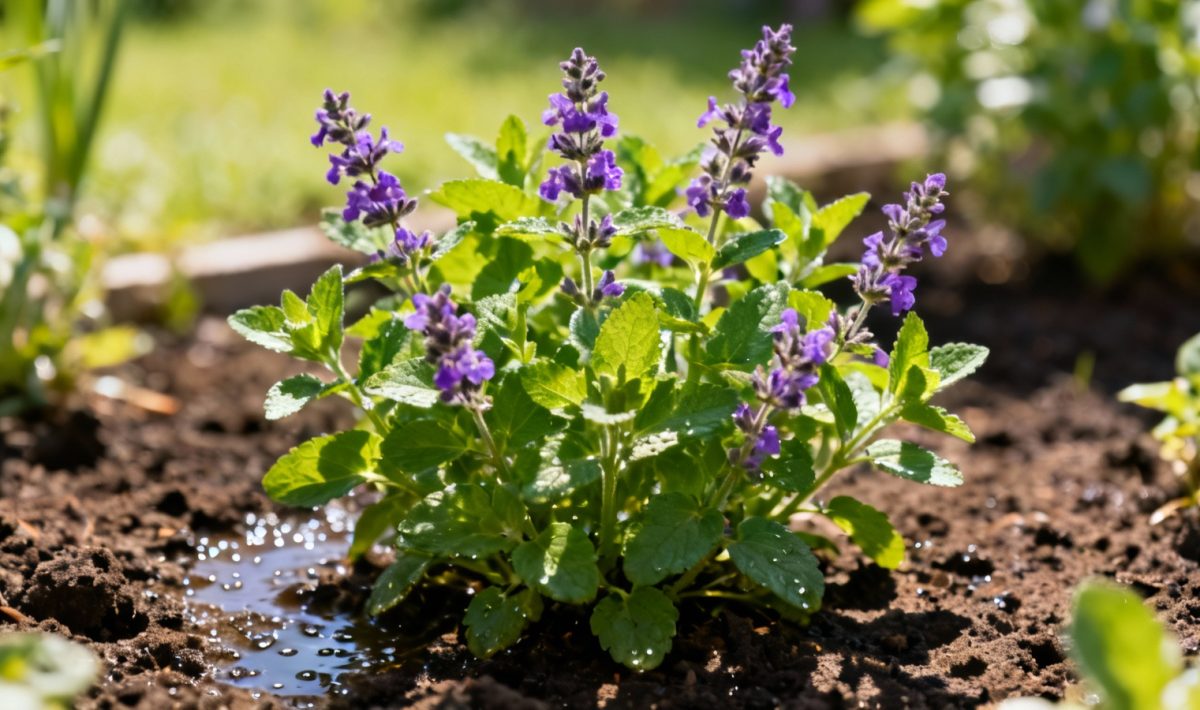
Understanding catmint watering requirements
Catmint, also known as Nepeta cataria, has become one of the most beloved plants for garden enthusiasts seeking low-maintenance options. This Mediterranean herb requires specific attention when it comes to watering, but the good news is that it’s naturally drought-tolerant once established. Understanding how often should you water your catmint will help ensure your plants thrive throughout the growing season.
The key to successful catmint care lies in finding the right balance. These aromatic plants prefer well-draining soil and can actually suffer from too much water rather than too little. For most gardeners, establishing a proper routine from the beginning will set their plants up for long-term success.
Initial planting and establishment period
When you first plant catmint seeds or transplants, they need consistent moisture to develop strong root systems. During the establishment period, which typically lasts 4-6 weeks, water your catmint thoroughly at planting time, then provide another deep watering one month later.
This initial phase is crucial for root development. Young plants with developing root systems cannot access deep soil moisture like established plants can. However, once your catmint has settled into its new home, you can dramatically reduce watering frequency. Some garden experts recommend following a similar approach to other drought-tolerant plants, just like the watering schedule for your loquat tree, which also benefits from careful initial establishment.
After the establishment period, your catmint will begin showing its natural drought tolerance. The plant’s Mediterranean origins mean it has evolved to handle periods of dry soil, making it an excellent choice for water-wise gardens.
Seasonal watering patterns for catmint
Summer represents the most critical time for catmint watering decisions. During hot summer months, established plants in garden beds typically need water only once per week, and only if the soil becomes very dry. The natural resilience of these plants means they can handle brief dry spells without stress.
Spring and fall require even less intervention. Cool temperatures and natural rainfall usually provide adequate moisture for catmint plants. However, you should monitor soil conditions and adjust accordingly. Many gardeners find that their established catmint plants need supplemental water only during extended drought periods.
Winter watering is rarely necessary for garden-planted catmint. The plants enter dormancy and their water needs drop significantly. In fact, wet winter soil can be more harmful than beneficial, potentially leading to root rot issues.
Container vs. ground-planted watering differences
Plants grown in containers have different needs compared to those planted directly in garden soil. Potted catmint requires more frequent watering – typically 1-2 times per week during active growing season. Container soil dries out faster than garden beds, especially in summer heat.
For container plants, check the soil surface regularly. Water when the top inch feels dry to the touch, but ensure good drainage to prevent waterlogged roots. Adding organic fertilizer in spring helps container catmint maintain vigorous growth throughout the season.
Ground-planted catmint benefits from its ability to send roots deep into the soil, accessing moisture that containers cannot provide. This natural advantage makes garden-planted specimens much more drought-tolerant than their potted counterparts. Similar principles apply to other herbs like those covered in proper hydration for rosemary plants, which also prefer well-draining conditions.
Soil conditions and drainage considerations
Soil type dramatically influences watering frequency for catmint. Well-draining soil is essential – this plant absolutely cannot tolerate waterlogged conditions. Sandy or loamy soils that drain quickly are ideal, while heavy clay soils may require amendments to improve drainage.
If your garden has heavy soil, consider creating raised beds or adding organic matter to improve drainage. Poor drainage poses a greater threat to catmint than drought conditions. Plants in well-draining soil can go longer between waterings and will show better overall health.
Testing your soil drainage is simple: dig a hole about 12 inches deep, fill it with water, and observe how quickly it drains. If water remains after 24 hours, your soil needs improvement before planting catmint.
Recognizing proper watering techniques
When you do water catmint, deep, infrequent watering works best. This encourages roots to grow deeper, making plants more drought-resistant over time. Shallow, frequent watering creates weak root systems that struggle during dry periods.
Water early morning when possible, allowing plants to absorb moisture before heat peaks. Avoid watering leaves directly, which can promote fungal issues. Instead, direct water to the soil around the plant base. This technique works well for various garden plants, including those requiring careful attention like watering tips for healthy arborvitae.
The amount of water matters as much as timing. Each watering session should thoroughly moisten the root zone to a depth of 6-8 inches. Light sprinkling does more harm than good, encouraging shallow root development.
Common watering mistakes to avoid
Overwatering represents the most common mistake with catmint care. Many gardeners assume all plants need regular water, but catmint’s drought tolerance means less is often more. Signs of overwatering include yellowing leaves, soft stems, and fungal growth around the plant base.
Inconsistent watering during establishment can also cause problems. While mature plants handle drought well, young plants need steady moisture until their roots develop fully. Finding the right balance requires observation and adjustment based on weather conditions and plant response.
Another frequent error involves watering too late in the day. Evening watering can leave plants damp overnight, creating conditions favorable for disease development. Morning watering allows excess moisture to evapate before nightfall. This principle applies to many herbs and aromatic plants, such as those discussed in how to water coriander effectively.
Signs your catmint needs water
Healthy catmint shows specific signs when it needs water. Slightly wilted leaves during the hottest part of the day can be normal, but persistent wilting indicates water stress. Check soil moisture by inserting your finger 2-3 inches deep – if it’s dry at this depth, it’s time to water.
Color changes can also signal watering needs. Leaves may appear dull or grayish when plants are stressed. However, don’t confuse natural summer dormancy with water stress. Many catmint varieties naturally slow growth during extreme heat, regardless of soil moisture.
Stunted growth or premature flower dropping can indicate inadequate water, especially in container plants. Regular observation helps you understand your plants’ specific needs and adjust watering accordingly. Just as with other garden herbs like watering guidelines for chives, learning to read plant signals improves care success.
Advanced care tips for thriving catmint
Beyond basic watering, several techniques can improve catmint health and reduce water needs. Mulching around plants helps retain soil moisture and suppresses weeds that compete for water. Organic mulch also breaks down over time, improving soil structure.
Proper spacing between plants improves air circulation and reduces competition for soil moisture. Crowded plants stress more easily and may require additional water. Most catmint varieties need 18-24 inches between plants for optimal growth.
Consider companion planting with other drought-tolerant species to create water-wise garden sections. This approach allows you to group plants with similar watering needs, making maintenance more efficient. Some gardeners successfully pair catmint with succulents, following watering approaches similar to tree aeonium watering requirements, which also prefer infrequent but thorough watering.
Seasonal maintenance and long-term success
Established catmint plants reward gardeners with years of low-maintenance beauty. After the first growing season, these resilient plants typically need water only during extended dry periods. This makes them excellent choices for sustainable gardens and water-conscious landscaping.
Regular deadheading encourages continued flowering and prevents excessive self-seeding. However, allowing some seeds to develop provides natural propagation opportunities for expanding your catmint collection. The balance between maintenance and natural growth creates gardens that evolve beautifully over time.
With proper watering practices from establishment through maturity, catmint becomes one of the most reliable and rewarding plants in any garden. Its combination of attractive foliage, fragrant flowers, and minimal water requirements makes it an ideal choice for both beginning and experienced gardeners seeking sustainable, beautiful landscapes.

Allan is a lifelong gardening enthusiast who still gets excited when the first seedlings pop up in spring. With a deep love for nature and a hands-in-the-soil approach, he shares practical tips, plant discoveries, and clever tricks picked up over years of digging, planting, and observing. Whether you’re a new gardener or have a shed full of tools, Allan writes like a neighbor who’s always happy to swap cuttings and stories over the fence.
You can find more about Allan’s work on Malt or connect with him on LinkedIn.