
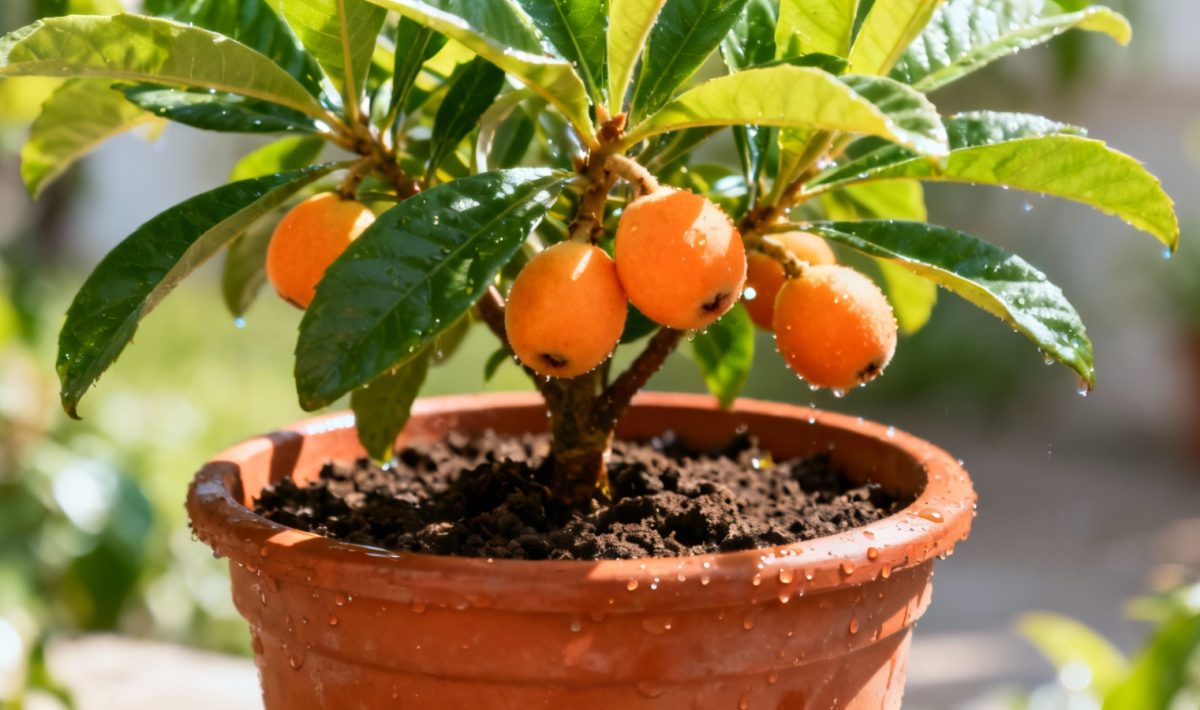
Growing a loquat tree (Eriobotrya japonica) successfully hinges on understanding its unique watering needs. This tropical fruit tree, also known as the Japanese plum, requires careful attention to moisture levels throughout its growth cycle. Understanding how often should you water your loquat helps ensure healthy development and abundant fruit production. Let’s explore the essential watering practices that will keep your loquat thriving year-round.
Understanding loquat water requirements
Loquat trees are remarkably drought-tolerant once established, but they need consistent moisture during their initial years. These plants from Japan and China have adapted to slightly acidic soil conditions and can handle periods of reduced water availability. However, proper hydration remains crucial for optimal growth and fruit development.
The watering frequency depends on several factors including soil type, climate conditions, and the tree’s age. Young plants require more frequent watering than mature trees, which can access deeper water sources through their extensive root systems. Understanding these needs helps prevent both drought stress and waterlogged conditions that can damage your tropical tree.
Seasonal watering patterns for optimal growth
During the active growing season, typically spring through early fall, loquat trees need regular moisture to support new growth and fruit production. Water deeply once or twice per week, providing enough moisture to penetrate the root zone. The goal is to maintain consistent soil moisture without creating waterlogged conditions that can lead to root rot.
Winter watering should be reduced significantly, as the tree enters a dormant period. During this time, natural rainfall often provides sufficient moisture in most climates. Monitor soil conditions and water only when the top few inches become dry. This approach mimics the natural patterns that loquat trees experience in their native environment.
Soil considerations and drainage
The type of soil greatly influences watering frequency and technique. Loquats prefer well-draining soil that retains some moisture but doesn’t become saturated. Sandy soils drain quickly and may require more frequent watering, while clay soils hold moisture longer but can become waterlogged easily.
Adding organic matter to the soil around your tree improves both drainage and water retention. A layer of mulch around the base helps conserve moisture and regulate soil temperature. Just as you would consider watering rosemary for optimal health for Mediterranean plants, loquats benefit from consistent but not excessive moisture levels.
Age-specific watering requirements
Newly planted loquat trees need careful attention to establish strong root systems. Water these young plants two to three times per week during the first growing season, providing about 5-10 gallons per watering session. The soil should remain consistently moist but not saturated during this critical establishment period.
Mature loquat trees typically need watering once per week during dry periods. These established plants can tolerate short periods of drought due to their deep root systems. However, consistent moisture during fruit development ensures better fruit quality and prevents premature drop. Similar to proper care for arborvitae plants, established trees require less frequent but deeper watering sessions.
Recognizing water stress signals
Learning to identify signs of water stress helps you adjust your watering schedule appropriately. Loquat leaves may wilt, turn yellow, or develop brown edges when the plant lacks sufficient moisture. Conversely, yellowing leaves combined with soggy soil indicates overwatering problems.
Fruit quality also reflects the tree’s hydration status. Adequate water during fruit development produces plump, juicy fruits with good flavor. Water-stressed trees may produce smaller, less flavorful fruits or drop them prematurely. Regular monitoring helps you maintain the balance needed for healthy fruit production.
Effective watering techniques
Deep, infrequent watering encourages healthy root development in loquat trees. Apply water slowly at the base of the tree, allowing it to penetrate deep into the soil rather than running off the surface. Drip irrigation systems work exceptionally well for this purpose, delivering water directly to the root zone.
Avoid overhead watering methods that wet the foliage, as this can promote fungal diseases. Instead, focus water application on the soil around the tree’s drip line where most feeder roots are located. This approach ensures efficient water use and reduces disease risk. Much like keeping coriander leaves fresh requires proper watering technique, loquats benefit from targeted irrigation methods.
Climate and environmental factors
Local climate conditions significantly impact watering requirements for loquat trees. Hot, dry summers increase water demands, while cool, humid conditions reduce the need for supplemental irrigation. Wind exposure also affects moisture loss through increased transpiration rates.
Container-grown loquat trees require more frequent watering than those planted in the ground. Pots dry out faster and need daily monitoring during hot weather. Consider moving potted plants to locations with morning sun and afternoon shade to reduce water stress during extreme heat. This attention to environmental factors applies whether you’re ensuring healthy chive growth or caring for tropical fruit trees.
Advanced watering strategies
Installing a moisture meter helps take the guesswork out of watering decisions. These tools provide accurate readings of soil moisture levels at different depths, allowing you to water precisely when needed. Aim to maintain soil moisture at about 60-70% of field capacity for optimal loquat growth.
Rainwater collection systems provide an excellent water source for loquat trees. This naturally soft water lacks the chemicals found in municipal water supplies and often produces better growth results. Store collected rainwater in covered containers to prevent mosquito breeding and maintain water quality.
Seasonal adjustments become easier with experience and careful observation. Keep records of watering frequency, rainfall amounts, and tree response to develop a customized schedule for your specific location and conditions. This approach works for various plants, whether you’re caring for common mugwort plants or managing tropical fruit trees.
Troubleshooting common watering problems
Overwatering often causes more problems than underwatering in loquat trees. Poor drainage leads to root rot, yellowing leaves, and eventual tree decline. If you notice these symptoms, reduce watering frequency and improve soil drainage around the tree. Adding coarse sand or perlite to heavy soils can help improve drainage conditions.
Underwatering stress appears as wilted leaves, brown leaf margins, and poor fruit development. Recovery involves gradually increasing water applications rather than flooding the stressed tree. Sudden heavy watering can shock a drought-stressed tree and cause additional problems. Similar principles apply when nurturing cape jasmine for growth or other sensitive plants.
With proper attention to watering frequency and technique, loquat trees reward gardeners with beautiful foliage and delicious tropical fruits. These adaptable trees can thrive in various climates when their basic water needs are understood and met consistently. Regular observation and seasonal adjustments ensure your loquat tree remains healthy and productive for many years to come.

Allan is a lifelong gardening enthusiast who still gets excited when the first seedlings pop up in spring. With a deep love for nature and a hands-in-the-soil approach, he shares practical tips, plant discoveries, and clever tricks picked up over years of digging, planting, and observing. Whether you’re a new gardener or have a shed full of tools, Allan writes like a neighbor who’s always happy to swap cuttings and stories over the fence.
You can find more about Allan’s work on Malt or connect with him on LinkedIn.


