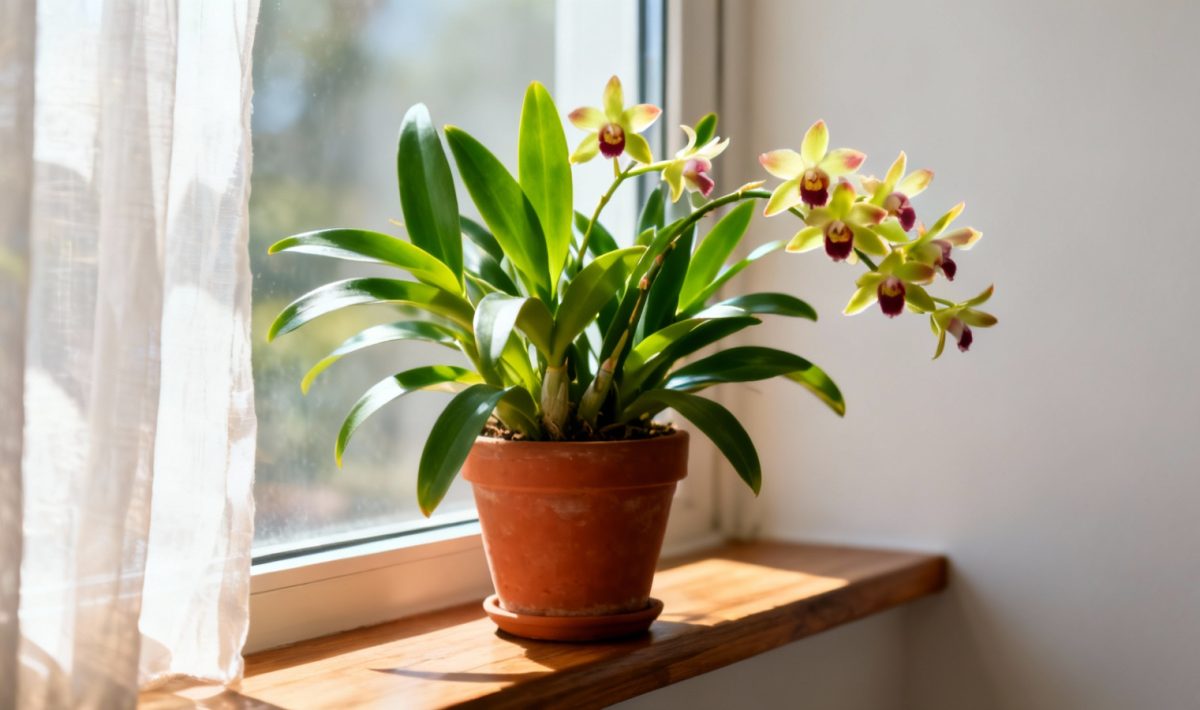
Understanding your Dendrobium noble’s lighting needs
When it comes to how much sunlight does Dendrobium noble need, the answer isn’t quite as straightforward as you might expect. These stunning orchids are a bit like that friend who’s particular about their coffee – they want their light just right, not too strong, not too weak, but perfectly balanced throughout the year.
Dendrobium noble orchids originally hail from the forests of Asia, where they grow as epiphytes clinging to tree branches. In their natural habitat, they receive filtered sunlight through the forest canopy, which gives us a pretty good clue about what they prefer in our homes. Think bright but gentle illumination rather than the harsh afternoon sun that might work perfectly for crops like those discussed in potato growth and sunlight needs.
Seasonal light management for optimal growth
Here’s where things get interesting with these orchids – they actually want different amounts of light depending on the season. During their active growing period from May through September, your Dendrobium noble prefers bright, indirect light. Place it near a well-lit window, but shield it from direct afternoon rays with a sheer curtain or by positioning it slightly back from the glass.
However, come October through March, you can give your orchid more direct sunlight exposure. The winter sun is much gentler, and your plant can actually benefit from those direct rays during this rest period. This seasonal adjustment helps trigger the natural flowering cycle that makes these orchids so spectacular.
Finding the perfect spot in your home
The best windows for Dendrobium noble are typically south-facing in cooler, cloudier regions, or southeast and southwest-facing windows elsewhere. Avoid north-facing windows as they simply don’t provide enough light intensity. Unlike some plants that thrive in similar conditions, such as sunlight for thriving English lavender, these orchids need that bright, consistent illumination to maintain their health.
Watch your plant’s leaves for clues about lighting conditions. Healthy Dendrobium noble leaves should be a medium green color. If they’re dark green, your orchid probably needs more light. Conversely, if the leaves appear yellowish or show brown spots, you might be giving it too much direct sun.
The importance of proper light during rest periods
One of the most crucial aspects of Dendrobium noble care is understanding their rest period needs. From late autumn through winter, these orchids enter a natural dormancy phase that’s essential for flower production. During this time, bright light becomes even more important, but you should dramatically reduce watering.
This rest period mimics the dry season in their native habitat. The combination of bright light and reduced moisture tells the plant it’s time to prepare for flowering. Many growers make the mistake of treating their orchids the same year-round, but this seasonal variation is what separates successful orchid enthusiasts from those who struggle with blooming.
Signs your orchid is getting the right amount of light
A happy Dendrobium noble will show several positive signs. The pseudobulbs should be plump and firm, indicating good energy storage. New growth appears regularly during the growing season, and the overall plant maintains a compact, upright form. Most importantly, with proper light management, you should see flower spikes developing during late winter or early spring.
Just as other plants have specific requirements – similar to how optimal sunlight for sycamore trees differs from indoor plants – your Dendrobium noble has evolved specific needs that we need to respect for optimal results.
Troubleshooting common lighting problems
If your orchid isn’t blooming, insufficient light is often the culprit. These plants need that bright illumination to build up enough energy reserves for flower production. Consider supplementing with grow lights if your windows don’t provide adequate brightness, especially during shorter winter days.
On the flip side, too much direct summer sun can quickly damage the leaves. Brown or black spots usually indicate sunburn, while yellowing leaves might suggest the plant is stressed from excessive light exposure. The key is finding that sweet spot where your orchid receives maximum brightness without harmful direct rays during the hottest part of the day.
Comparing orchid light needs
Different orchid species have varying light requirements, and understanding these differences can help you provide better care. While Dendrobium noble appreciates bright conditions, they’re somewhat more tolerant of direct light than species like moth orchid sunlight conditions, which prefer consistently filtered light year-round.
The intermediate light requirements of Dendrobium noble make them excellent choices for growers who can provide bright windowsill conditions. They’re more forgiving than some high-light orchids but need significantly more illumination than low-light varieties.
Practical tips for year-round success
Creating the right lighting environment doesn’t require expensive equipment or major home modifications. Start by observing your plant’s current location throughout different times of day and seasons. Note when direct sunlight hits the area and for how long.
During summer months, you might need to move your orchid back from the window or add a sheer curtain filter. In winter, you can often move it closer to the glass or remove filtering materials. This seasonal dance becomes second nature once you understand your plant’s needs.
Remember that consistent care builds trust with your orchid. Unlike vegetables that might need constant full sun exposure – such as those detailed in sunlight requirements for cucumber growth – orchids reward patient, attentive care with spectacular displays of flowers.
The reward of proper light management
When you get the lighting right for your Dendrobium noble, the results are truly spectacular. These orchids can produce dozens of flowers along their canes, creating a display that lasts for weeks. The flowers often appear in white, pink, or purple, and their sweet fragrance fills the room during blooming season.
Understanding how much sunlight your Dendrobium noble needs is really about creating a partnership with your plant. You provide the right conditions, and it rewards you with incredible beauty. The investment in learning these light requirements pays dividends for years as your orchid matures and produces increasingly impressive flower displays.
Allan is a lifelong gardening enthusiast who still gets excited when the first seedlings pop up in spring. With a deep love for nature and a hands-in-the-soil approach, he shares practical tips, plant discoveries, and clever tricks picked up over years of digging, planting, and observing. Whether you’re a new gardener or have a shed full of tools, Allan writes like a neighbor who’s always happy to swap cuttings and stories over the fence.
You can find more about Allan’s work on Malt or connect with him on LinkedIn.