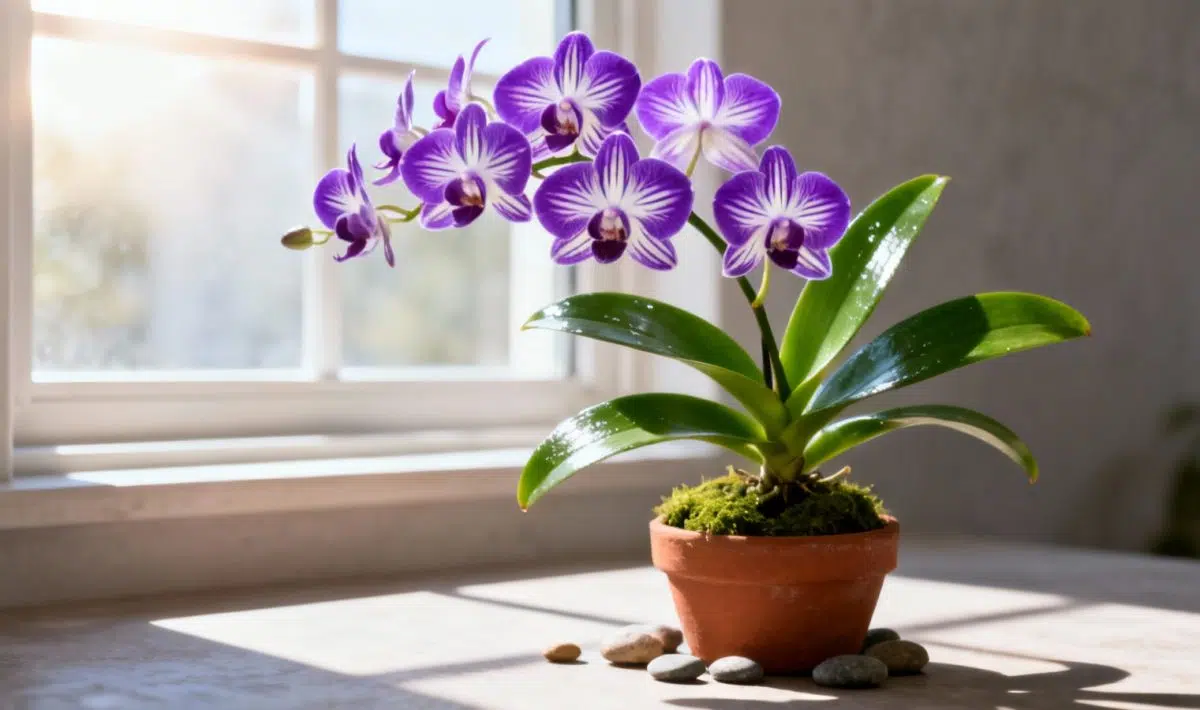
How much sunlight does Dendrobium noble need for healthy flowering
Understanding how much sunlight does Dendrobium noble need is essential for anyone wanting to cultivate these stunning orchids successfully. These remarkable plants, also known as noble dendrobiums, have unique light requirements that change dramatically throughout their growth cycle. With proper light management, you can encourage spectacular flowering and maintain healthy growth year after year.
The Dendrobium nobile originates from the Himalayan regions, stretching from India to Australia, where it grows as an epiphyte on trees. These orchids have distinctive pseudobulbs that store water and nutrients, topped with bright green leaves during the growing season. The plants typically reach 12-18 inches tall and produce fragrant flowers in shades of white, pink, and purple.
What makes these orchids special is their intermediate growing requirements. They need a distinct rest period to trigger flowering, during which their light needs change significantly. The pseudobulbs serve as energy storage, allowing the plant to survive periods with reduced watering and different light conditions.
Seasonal sunlight requirements for optimal growth
The key to understanding Dendrobium nobile light needs lies in mimicking their natural habitat conditions. During the growing season from spring through early fall, these plants require bright, indirect light. Place them where they receive morning sunlight but protection from intense afternoon rays.
In summer, filtered light works best to prevent leaf burn. A sheer curtain or positioning the plant 2-3 feet from a south-facing window provides ideal conditions. The light should be strong enough to cast a faint shadow when you hold your hand above the leaves. Much like understanding sunlight requirements for growing oregano, getting the intensity right makes all the difference.
Winter brings dramatically different requirements. From October through March, these orchids need maximum light exposure to initiate flowering. Move them closer to windows or provide supplemental grow lights if natural light is insufficient.
Light intensity measurements
For optimal growth, Dendrobium nobile requires 15,000 to 30,000 lux of light intensity. This translates to being positioned within one meter of a well-lit window. During the rest period, even direct winter sunlight is beneficial since the sun’s intensity is naturally lower.
You can measure light levels using a smartphone app or dedicated light meter. If the reading consistently falls below 10,000 lux, consider supplemental lighting to maintain healthy growth patterns.
Managing the crucial rest period
The rest period is absolutely essential for flowering success. Beginning in late fall, reduce watering to once every 2-3 weeks while maximizing light exposure. During this time, the plants may drop some leaves, which is completely normal.
Temperature drops also play a role during rest. Nighttime temperatures should fall to 50-60°F while day temperatures remain around 70°F. This thermal variation, combined with bright light, signals the plant to develop flower buds rather than new growth.
Just as plants like those requiring needed sunlight for pineapple growth have specific seasonal needs, Dendrobium nobile follows a predictable annual cycle that must be respected.
Practical watering and light balance
Balancing watering with light exposure requires careful observation. During active growth with bright light, water when the growing medium approaches dryness but isn’t completely dried out. The increased light drives faster metabolism, requiring more frequent watering.
In contrast, the rest period with maximum light but minimal watering creates stress that triggers flowering. This apparent contradiction – bright light with reduced water – mimics the dry season in their native habitat.
Monitor the pseudobulbs for signs of dehydration. They should remain plump and firm. If they begin wrinkling excessively, provide a small dose of water but don’t resume full watering until the rest period ends.
Signs of proper light management
Healthy Dendrobium nobile plants display several indicators of proper light levels. New growth emerges bright green and develops into mature pseudobulbs with good substance. Leaves maintain their color without yellowing or developing brown spots from excessive light.
Different plants have varying light tolerances, similar to how ideal sunlight for watermelon cultivation requires specific conditions. Watch for these positive signs that indicate optimal lighting conditions.
Troubleshooting common light-related problems
Too little light results in soft, elongated growth with poor flowering. The pseudobulbs become thin and weak, unable to support flower development. If you notice this pattern, gradually increase light exposure over several weeks.
Excessive light causes leaf burn, appearing as yellow or brown patches on foliage. The leaves may also develop a reddish tinge as a stress response. Move the plant further from direct light sources or add filtration.
Inconsistent lighting disrupts the natural growth cycle. Avoid frequently moving plants between different light conditions, as this confuses their internal timing mechanisms.
Seasonal positioning strategies
Spring through summer positioning should prioritize protection from intense midday sun while ensuring adequate morning light. East-facing windows work excellently, providing gentle morning rays without afternoon heat.
For winter positioning, south-facing windows offer maximum light exposure when the sun angle is low. Even west-facing windows can work if they receive several hours of direct afternoon light. Understanding these nuances helps optimize conditions throughout the year.
Indoor gardeners dealing with various light requirements, from sunlight needs for growing spearmint to orchid care, benefit from tracking seasonal light changes in their growing spaces.
Advanced light management techniques
Artificial lighting can supplement natural light during darker months or in low-light homes. LED grow lights positioned 12-18 inches above the plants provide consistent illumination. Run them 12-14 hours daily during the growing season, reducing to 8-10 hours during rest periods.
Reflective surfaces can increase available light without adding heat. Place mirrors or white surfaces near growing areas to bounce natural light back onto the plants. This technique works particularly well for north-facing windows.
Rotating plants weekly ensures even light distribution on all sides. This prevents lopsided growth and ensures uniform pseudobulb development. Much like optimizing conditions for sunlight requirements for common juniper, attention to detail in light management pays dividends.
Monitoring and adjusting for success
Regular observation helps fine-tune light conditions throughout the growing cycle. Keep notes on flowering timing, growth rates, and any stress indicators. This information becomes invaluable for adjusting care in subsequent years.
Environmental changes require lighting adjustments. Moving to a new home, seasonal tree growth blocking windows, or renovations all impact available light. Stay flexible and willing to relocate plants as conditions change.
Success with Dendrobium nobile ultimately comes from understanding their natural rhythms and providing appropriate light at each growth stage. With patience and observation, these remarkable orchids reward careful attention with spectacular flowering displays that make the effort worthwhile.
Allan is a lifelong gardening enthusiast who still gets excited when the first seedlings pop up in spring. With a deep love for nature and a hands-in-the-soil approach, he shares practical tips, plant discoveries, and clever tricks picked up over years of digging, planting, and observing. Whether you’re a new gardener or have a shed full of tools, Allan writes like a neighbor who’s always happy to swap cuttings and stories over the fence.
You can find more about Allan’s work on Malt or connect with him on LinkedIn.