How much sunlight does common juniper need for optimal growth
Growing common juniper successfully starts with understanding its fundamental sunlight requirements. This hardy evergreen thrives in bright, sunny conditions and can transform your garden into a stunning landscape feature when given proper care and attention.
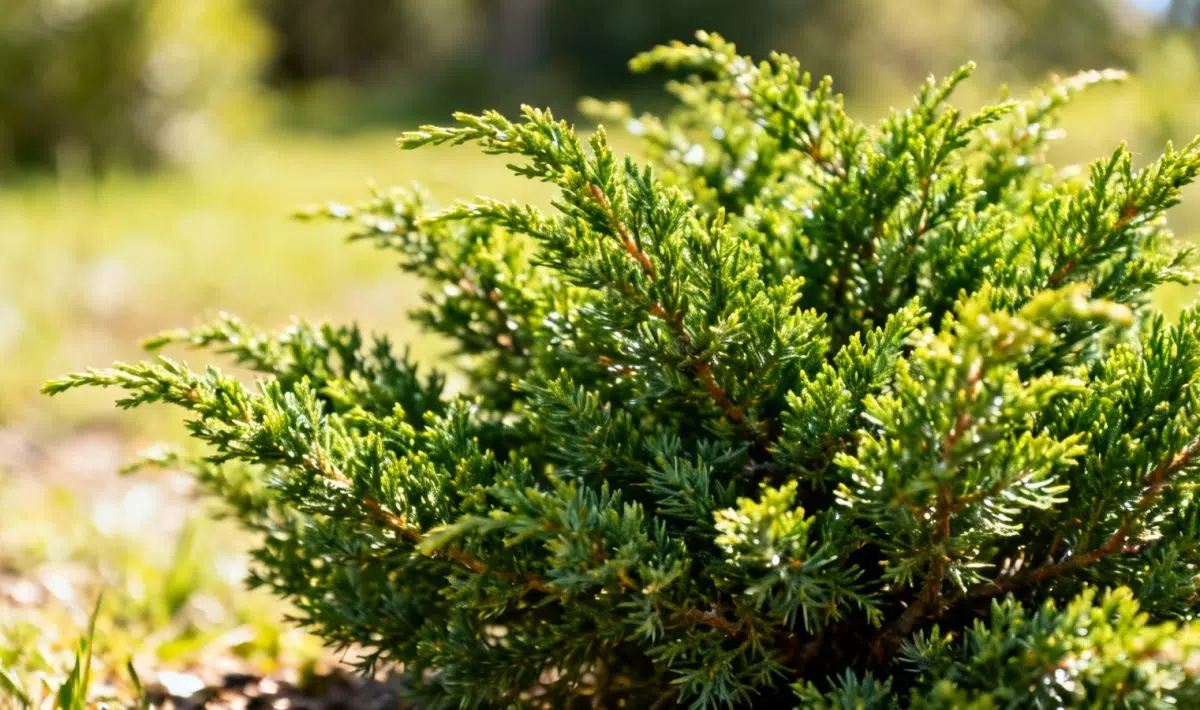
Common juniper (Juniperus communis) is a light-loving plant that demands significant sun exposure to flourish. Research shows that these resilient conifers need a minimum of 3 to 6 hours of direct sunlight daily for optimal growth and health. Without adequate light, your juniper will struggle to develop properly and may become susceptible to various issues.
The scientific data reveals fascinating insights about this species’ light tolerance. Studies indicate that common juniper cannot establish itself in deep shade conditions with less than 1.6% daylight. However, it can grow successfully in moderately shaded areas receiving approximately 20.5% of full daylight, though this represents the lower threshold for acceptable growth conditions.
On the Ellenberg light scale, which ranges from 1 to 9, common juniper scores an impressive 8 for high light intensity requirements. This confirms its heliophilic nature, meaning it genuinely loves and requires abundant sunshine to thrive in your garden setting.
Optimal growing conditions for junipers
When selecting the perfect location for your common juniper, prioritize areas that receive full sun exposure throughout most of the day. These plants perform best in open spaces where they can soak up maximum sunlight without interference from larger trees or structures casting shadows.
The soil requirements complement the light needs perfectly. Well-draining soil prevents root rot while allowing the plant to focus energy on growth rather than fighting moisture-related problems. Sandy or rocky soils work exceptionally well, mimicking the natural habitat where these hardy plants originally evolved.
Temperature considerations also play a crucial role in successful cultivation. Common juniper tolerates a wide range of temperatures but performs optimally when daytime warmth combines with adequate sunlight exposure. This combination promotes healthy photosynthesis and robust development throughout the growing season.
Practical planting and care tips
Proper spacing ensures each juniper receives adequate light without competition from neighboring plants. Allow sufficient room between specimens to prevent overcrowding, which can create unwanted shade and reduce overall health. This approach also improves air circulation, reducing disease risks.
Watering practices should complement the sunlight requirements rather than compensate for poor light conditions. Deep, infrequent watering encourages strong root development while preventing the plant from becoming dependent on constant moisture. During establishment, monitor soil moisture carefully but avoid overwatering.
Just as gardeners need to understand sunlight requirements for common milkweed for successful native plant gardens, learning about pruning techniques for juniper helps maintain optimal light penetration throughout the plant structure. Remove dead or crossing branches to ensure sunlight reaches interior foliage effectively.
Recognizing and addressing light deficiency
Identifying insufficient sunlight early prevents long-term problems with your common juniper. Signs of inadequate light include sparse, elongated growth as the plant stretches toward available sun sources. The foliage may appear less dense and vibrant compared to properly positioned specimens.
Branch development becomes uneven when plants don’t receive uniform sunlight exposure. Lower branches may die back if consistently shaded, while the tree develops an unbalanced appearance. These symptoms indicate the need for relocation or removal of shade-creating obstacles.
Color changes often signal light stress in common juniper. Healthy specimens display rich green coloration, while light-starved plants may develop yellowish or pale green hues. Addressing these issues promptly helps restore plant vigor and appearance.
Maximizing growth potential
Creating the ideal environment extends beyond simply providing adequate sunlight hours. Consider the quality and intensity of light throughout different seasons, as winter conditions may require adjustments to your care routine. Snow reflection can actually increase available light during colder months.
Understanding how different plant species manage light requirements helps create complementary garden designs. For instance, knowing optimal sunlight for common columbine allows you to design mixed plantings where each species receives appropriate light levels without competing.
Fertilization timing should align with peak growing seasons when sunlight hours are longest. This coordination maximizes nutrient uptake and promotes vigorous development during optimal growing conditions.
Common mistakes to avoid
Never underestimate the importance of full sun exposure when planning your juniper placement. Many gardeners mistakenly assume these hardy plants can tolerate more shade than they actually can. This misconception leads to disappointing results and potentially lost plants.
Avoiding overcrowding prevents competition for available sunlight between multiple plants. Each specimen needs adequate space to develop naturally without interference from neighboring vegetation. Plan for mature size when making initial planting decisions.
Proper drainage becomes even more critical when plants receive optimal sunlight exposure. The combination of good light and well-draining soil creates ideal conditions, while poor drainage can negate the benefits of perfect sun exposure.
Long-term care and maintenance
Regular monitoring helps ensure your common juniper continues receiving adequate sunlight as surrounding vegetation matures. Trees and shrubs planted nearby may eventually create unwanted shade, requiring periodic evaluation and possible adjustments.
Seasonal maintenance includes checking for and removing any debris or growth that might block sunlight from reaching lower branches. This practice maintains overall plant health and appearance while preventing potential problems before they become serious.
Similar attention to light requirements applies to other garden plants, such as understanding healthy growth of common hackberry when planning diverse landscape designs that accommodate multiple species with varying needs.
Benefits of proper sunlight management
Well-lit common junipers develop stronger, more resilient structures that better withstand weather extremes and environmental stresses. Adequate sunlight promotes dense, healthy foliage that provides excellent screening and ornamental value in landscape applications.
Proper light exposure also enhances the natural pest and disease resistance that makes common juniper such a valuable garden plant. Healthy, vigorous plants naturally resist many common problems that affect stressed or poorly positioned specimens.
The aesthetic benefits of optimal sunlight include enhanced foliage color, better overall plant shape, and more attractive seasonal characteristics. These qualities make properly grown common juniper an excellent investment for long-term landscape beauty.
Creating successful garden combinations requires understanding each plant’s specific needs. Learning about thriving garden with common bugle demonstrates how different species can work together when their light requirements are properly matched and managed.
Conclusion
Success with common juniper ultimately depends on providing the 3 to 6 hours of direct sunlight these plants require for optimal health and growth. Understanding these specific requirements allows you to create the perfect growing environment that showcases this remarkable evergreen’s natural beauty and resilience.
With proper attention to sunlight needs, soil conditions, and ongoing care, your common juniper will reward you with years of attractive, low-maintenance beauty in your landscape. The investment in understanding and meeting these requirements pays dividends in plant health, appearance, and overall garden success.
Allan is a lifelong gardening enthusiast who still gets excited when the first seedlings pop up in spring. With a deep love for nature and a hands-in-the-soil approach, he shares practical tips, plant discoveries, and clever tricks picked up over years of digging, planting, and observing. Whether you’re a new gardener or have a shed full of tools, Allan writes like a neighbor who’s always happy to swap cuttings and stories over the fence.
You can find more about Allan’s work on Malt or connect with him on LinkedIn.